Beyond Cebu
1 views
Batanes
The northernmost province of the Philippines: rolling green hills, wild coastlines, old stone houses and a slow, gentle way of life. A trip you plan ahead and never forget.
Batanes is the northernmost and smallest province of the Philippines, a group of islands closer to Taiwan than to Manila. Only three of its islands are lived on: Batan, where the capital Basco is, Sabtang and Itbayat. It feels like a different country: wide green hills with grazing cattle, cliffs dropping into a deep blue sea, and villages of stone houses built to survive typhoons. The local Ivatan people are known for being kind and honest, and the pace of life is slow.
Why go to Batanes
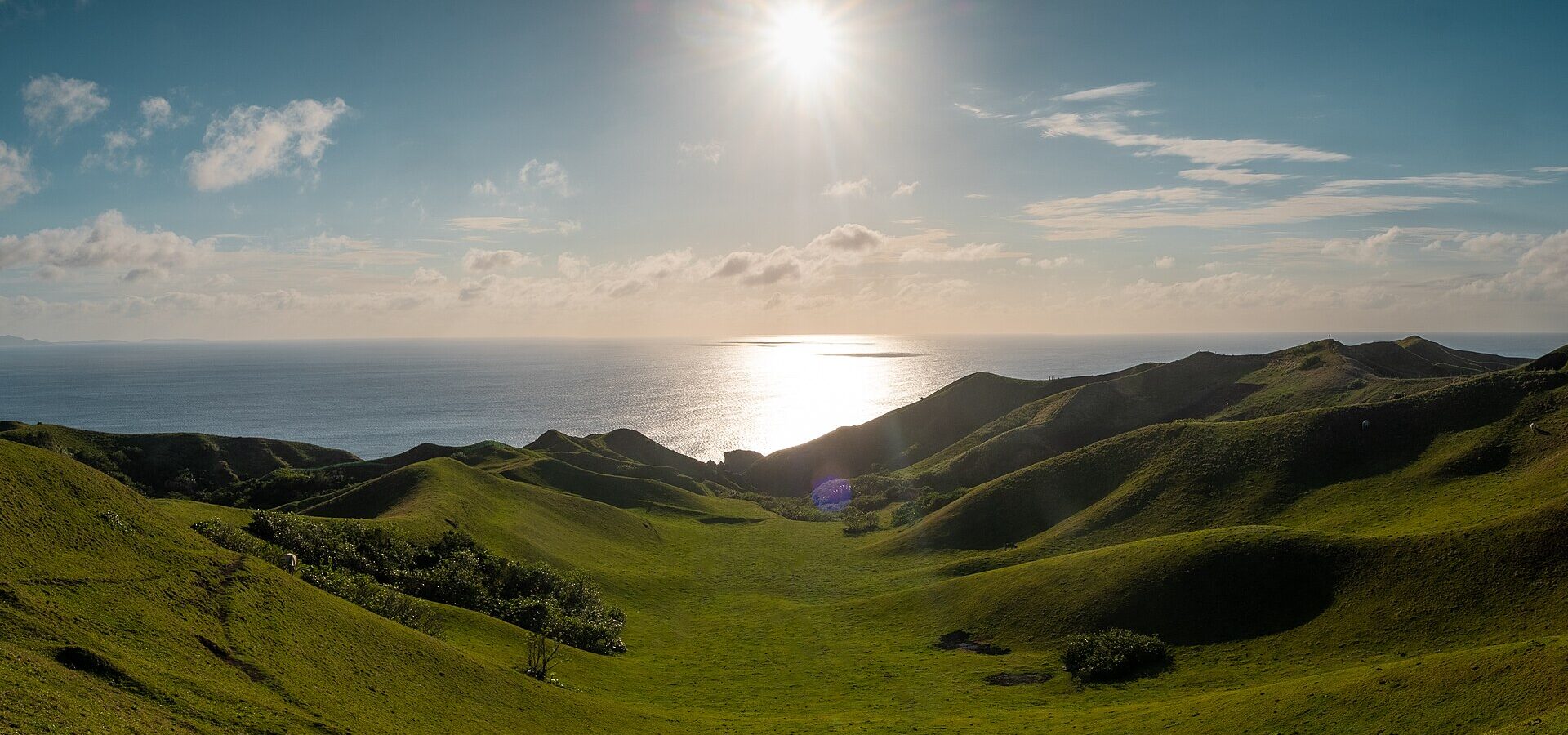
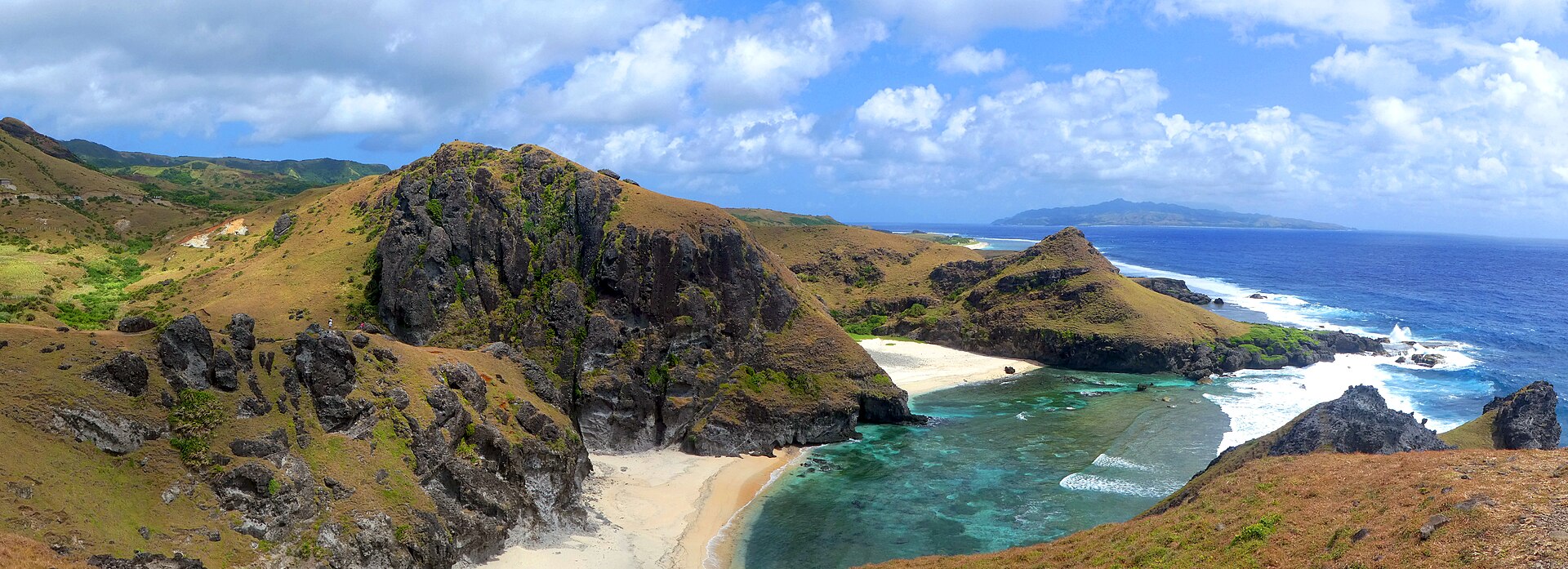
- Rolling hills by the sea, like Vayang and Racuh a Payaman, with views that seem to go on forever.
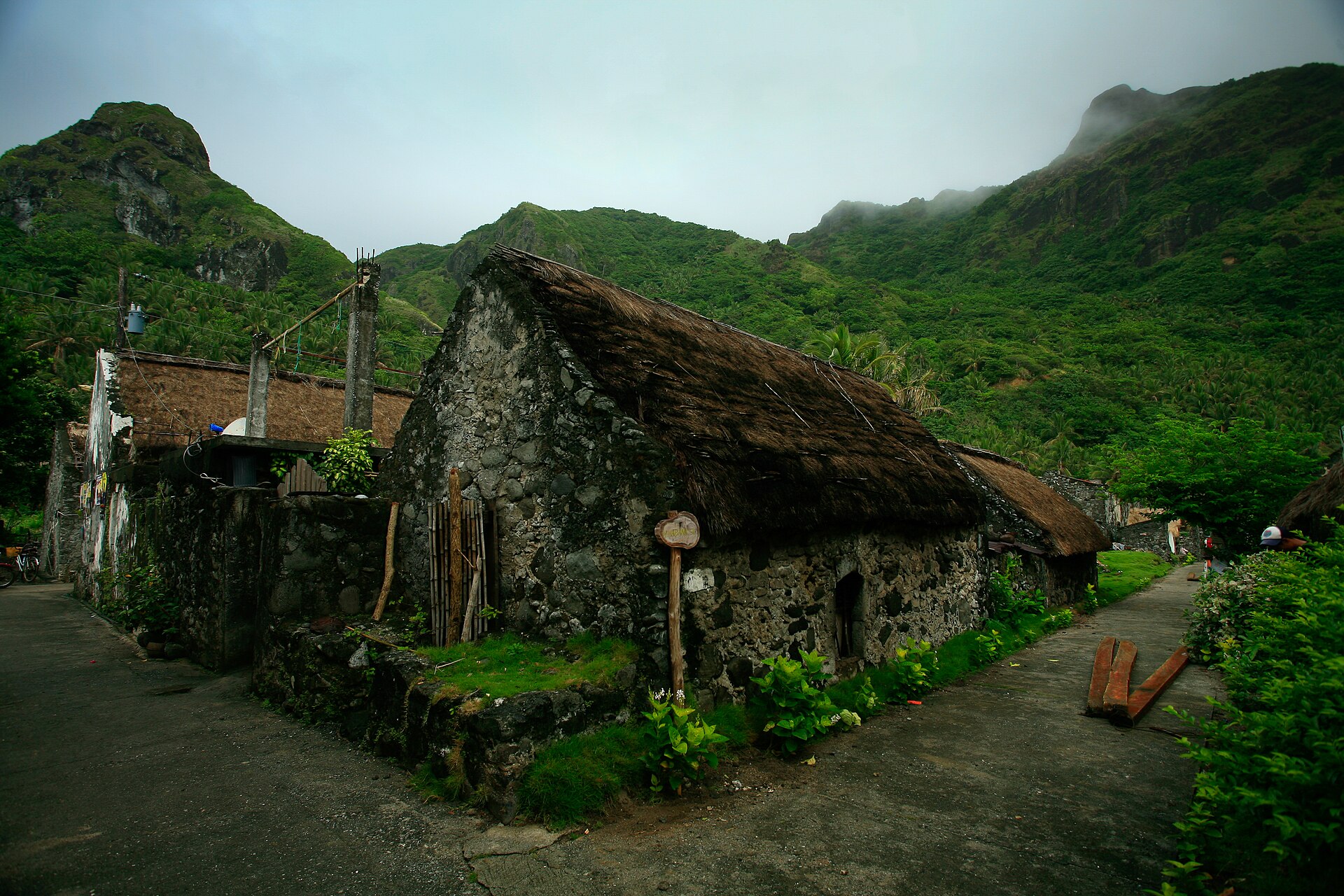
- Traditional stone houses with thick limestone walls and cogon grass roofs, especially on Sabtang.
- Wild, dramatic coastlines, boulder beaches and quiet roads with almost no traffic.
- Ivatan culture: friendly villages, simple food and a famous trust-based "honesty" way of life.
Things to do on Batan Island
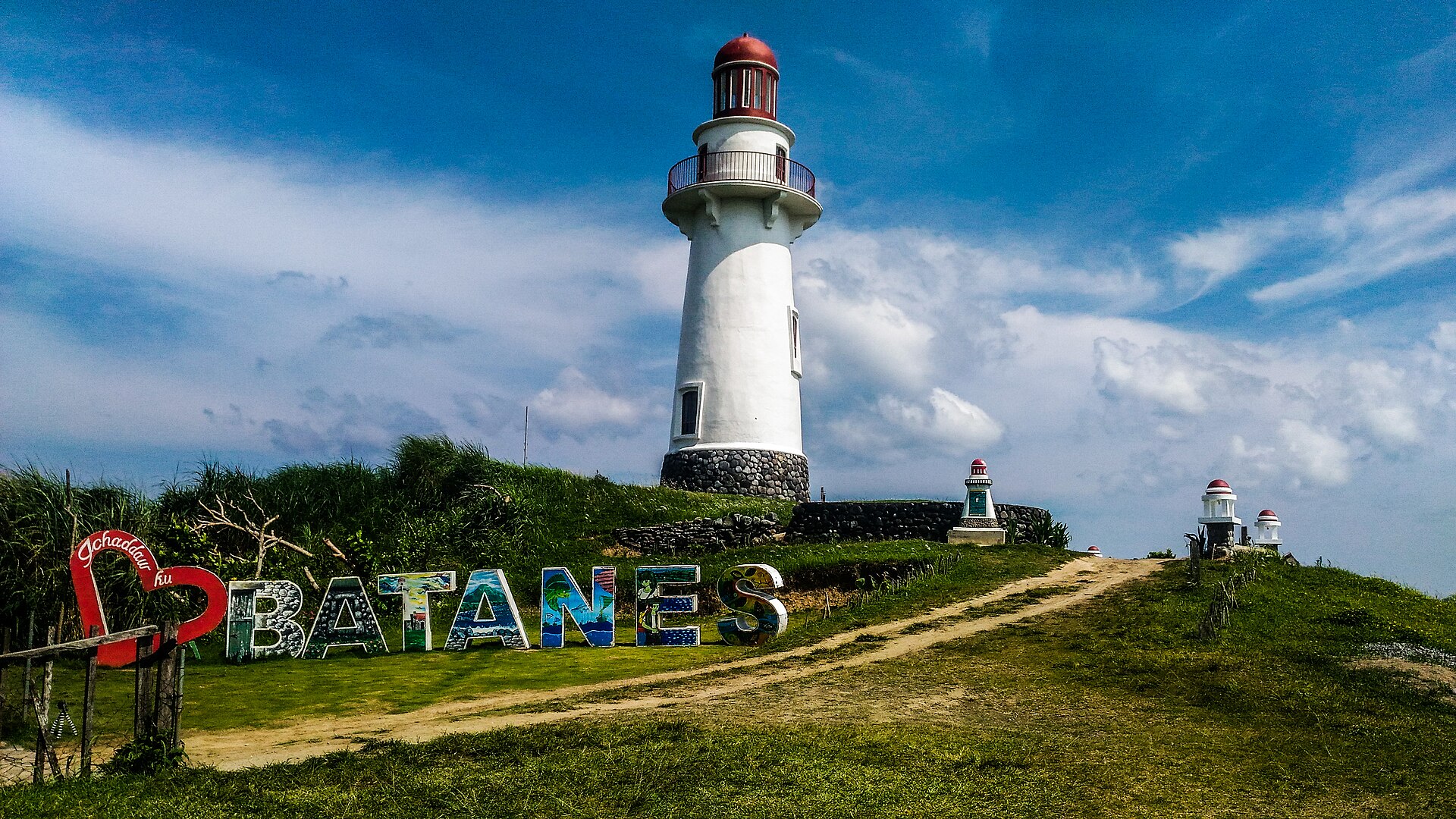
Most visitors split Batan into a North Batan and a South Batan tour. In the north, near Basco, walk the grassy ridges of Vayang Rolling Hills, watch the sunset from Naidi Hills and the Basco lighthouse, and see the waves crash over smooth grey rocks at Valugan Boulder Beach on the Pacific side. Behind it all stands Mount Iraya, a dormant volcano often wrapped in cloud.
In the south, the highlight is Racuh a Payaman, often called "Marlboro Country": a high, open pasture where cattle and carabao graze on communal land above the sea. Along the way you pass old stone churches, small villages and viewpoints over the coast. In Ivana, many visitors stop at the well-known Honesty Coffee Shop, where you pick what you want and leave your payment yourself.
Sabtang Island and the stone houses
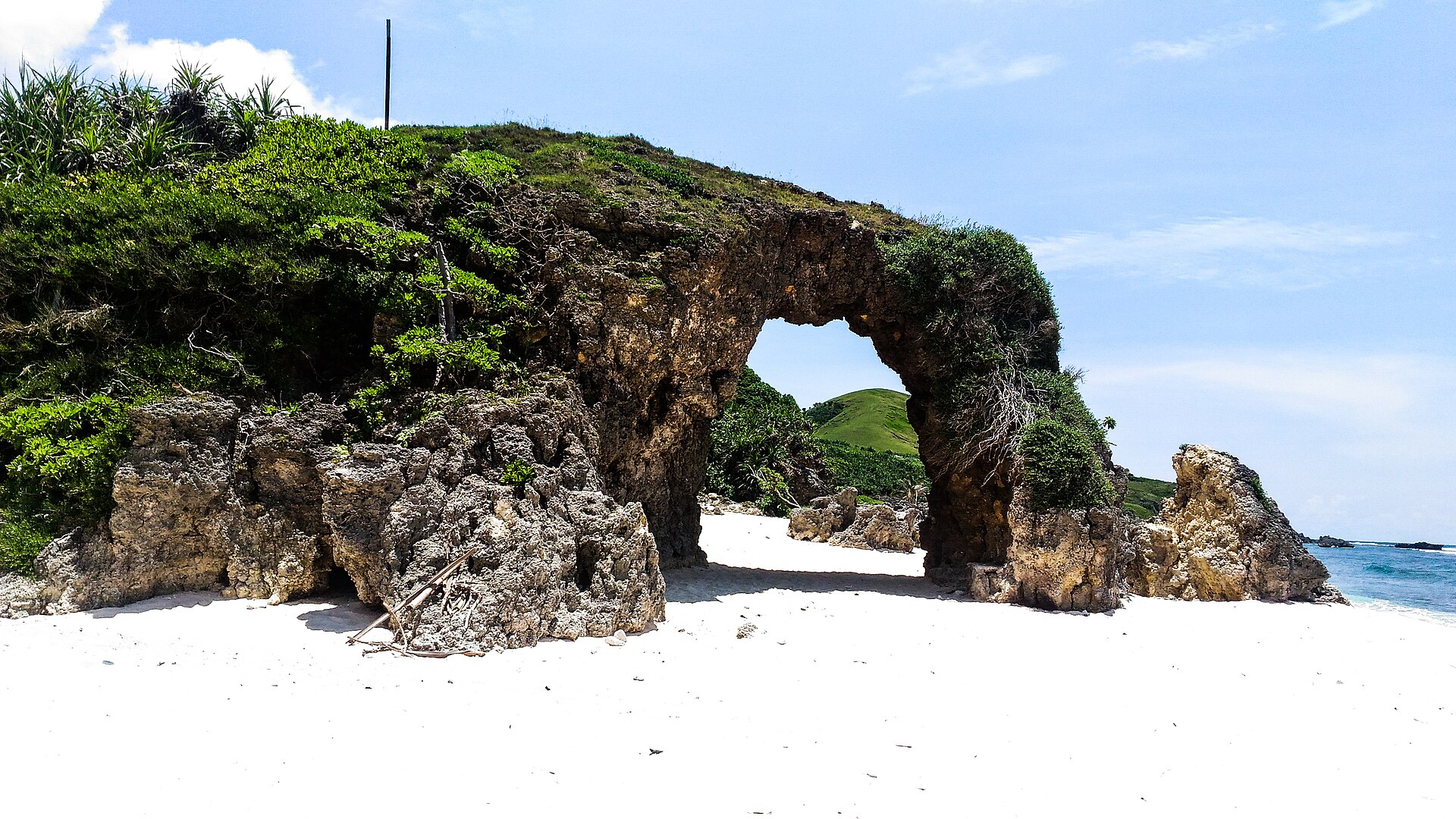
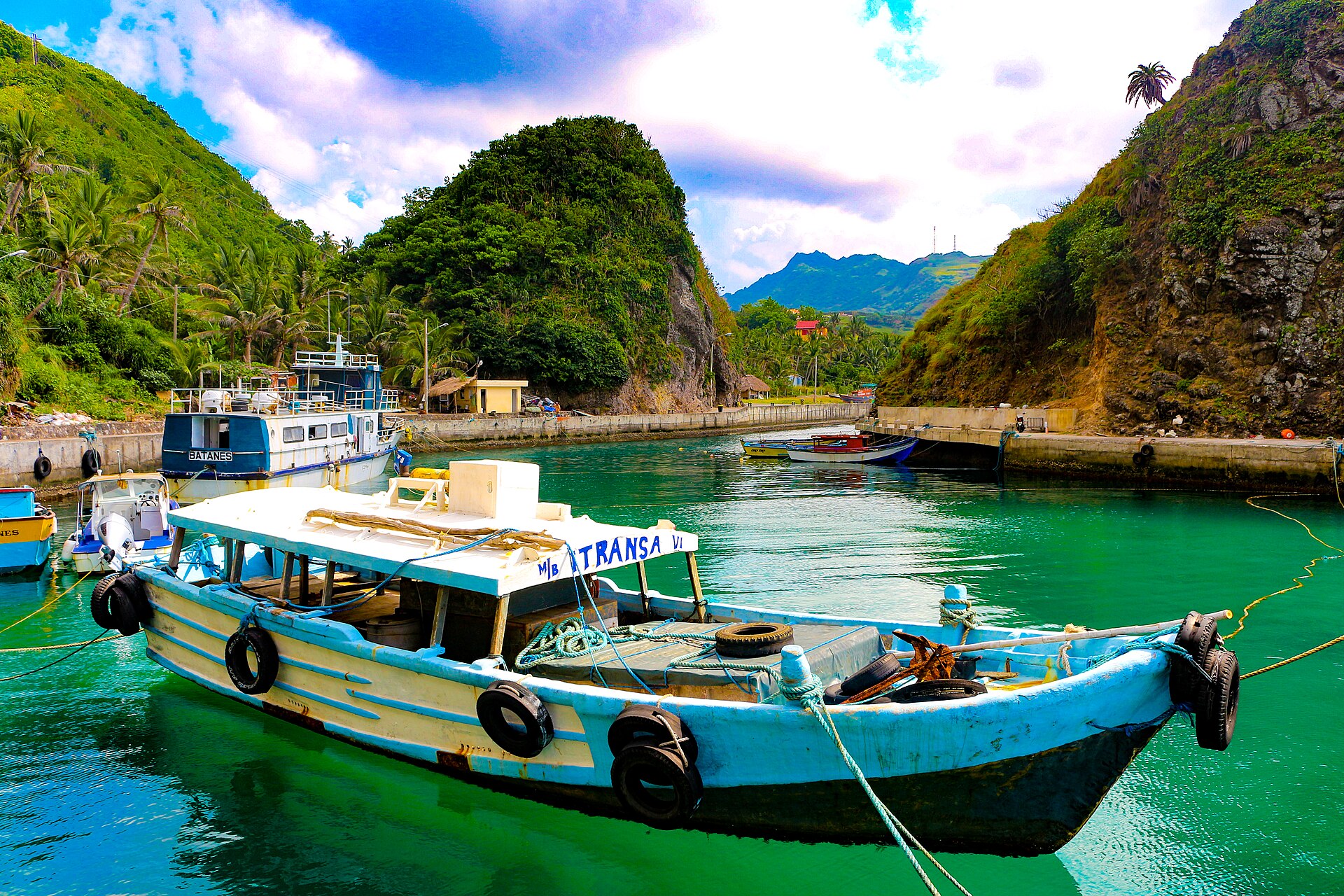
Sabtang is a short but often bumpy boat ride from Ivana port on a faluwa, a traditional round-bottomed boat. Boats usually leave early in the morning and the crossing takes roughly 30-45 minutes, but the sea here can be rough, so trips can be delayed or cancelled. On the island, visit the stone villages of Chavayan and Savidug, where some houses are more than a hundred years old, and the beach and rock arch at Morong (Nakabuang). In Chavayan you may meet local weavers who make the vakul, a traditional headgear woven from palm fibre. Sabtang has its own environmental fee, collected on the island.
Getting there from Cebu
- Fly from Mactan-Cebu to Manila (about 1.5 hours). We could not confirm any direct flight from Cebu to Basco, so plan on a connection.
- Fly from Manila to Basco, about 1.5 hours. Philippine Airlines flies this route, and has also flown from Clark. Check current schedules, as flights are small and sell out in peak season.
- Before you fly, complete the province's online visitor pre-registration, linked from the official Batanes tourism website, and keep the confirmation on your phone.
- At Basco Airport, register at the tourism desk and pay the environmental and tourism fees. Check the current amounts before you go.
Leave a spare day before your flight home. Bad weather can cancel flights in and out of Basco, sometimes for days, so avoid tight connections back to Cebu.
Getting around
Basco is small and walkable, but the sights are spread out. The usual way is a guided tour by van or tricycle, which the tourism office and local operators can arrange. The Department of Tourism has advised visitors to go with local tour operators and guides rather than doing it all on their own. Some travellers rent bikes or scooters for the quieter roads around Basco, but the hills are steep and the wind is strong.
Where to stay and eat
Most visitors stay in Basco, which has homestays, small inns and a few hotels. Rooms are limited, so book well ahead, especially from March to May. Try Ivatan dishes such as uvud (made from banana pith) and fresh fish like flying fish. Food and goods cost more than in Cebu, because almost everything comes by plane or ship.
When to go
The best time is March to May, the driest months, with the calmest sea for the Sabtang crossing. From about June to October, Batanes is right in the path of many typhoons, and flights and boats can stop for days. November to February is cooler and windier, with more rain and rougher seas.
Tips for a good trip
- Bring enough cash. ATMs and card payment are limited, so withdraw before you fly.
- Plan at least 4-5 days, including a spare day for weather.
- Respect the pastures and cattle: stay on paths, close gates and don't chase the animals.
- Ask before taking photos of people and inside private stone houses.
- Take your trash back to Basco. Batanes is proud of being clean.
- Bring a windbreaker, a rain jacket and motion-sickness tablets for the boat.
Flying out through Mactan? Our guide to getting from Mactan airport to Cebu City helps on the way home, and if you want green hills closer to Cebu, try Osmeña Peak.
Photo gallery

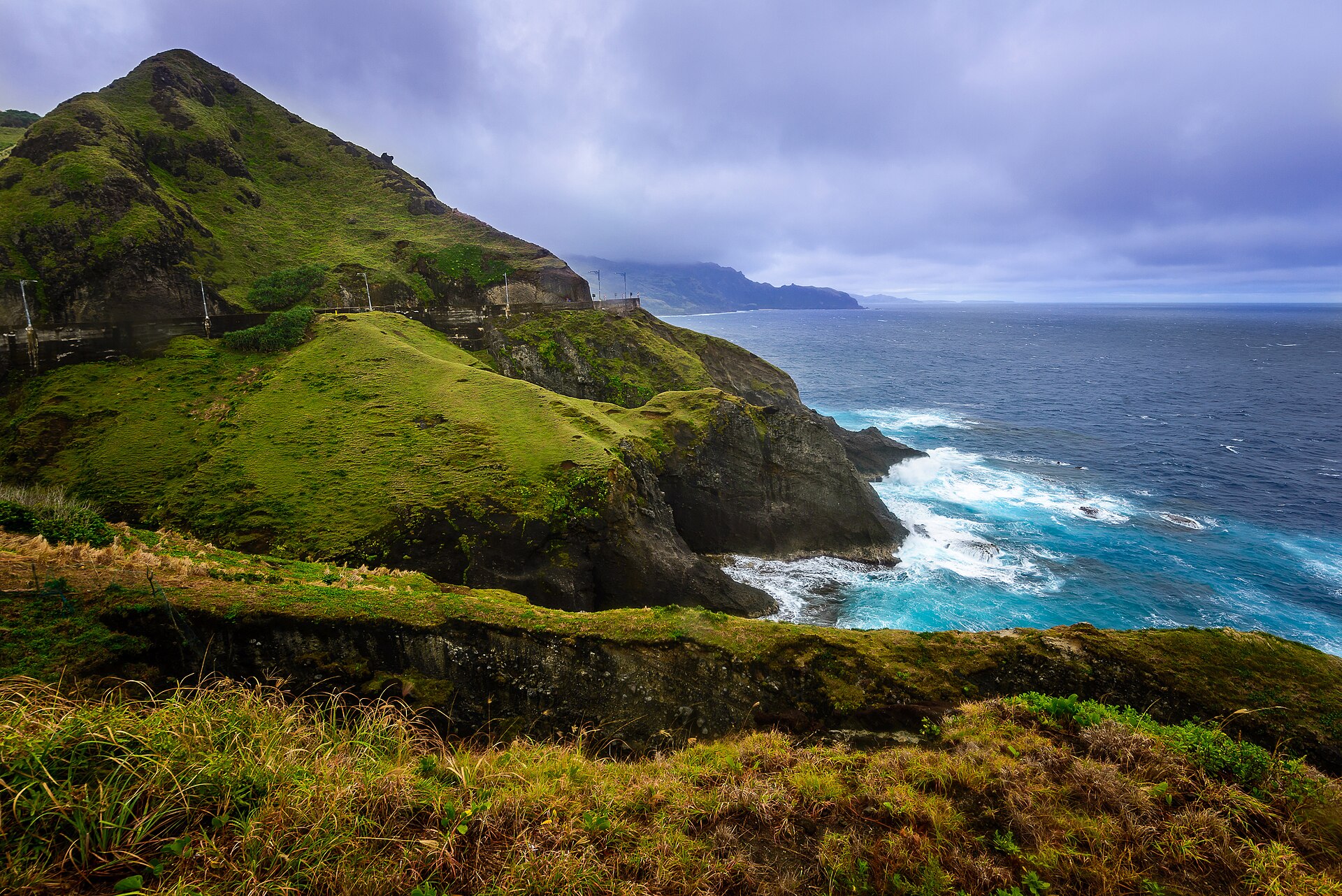
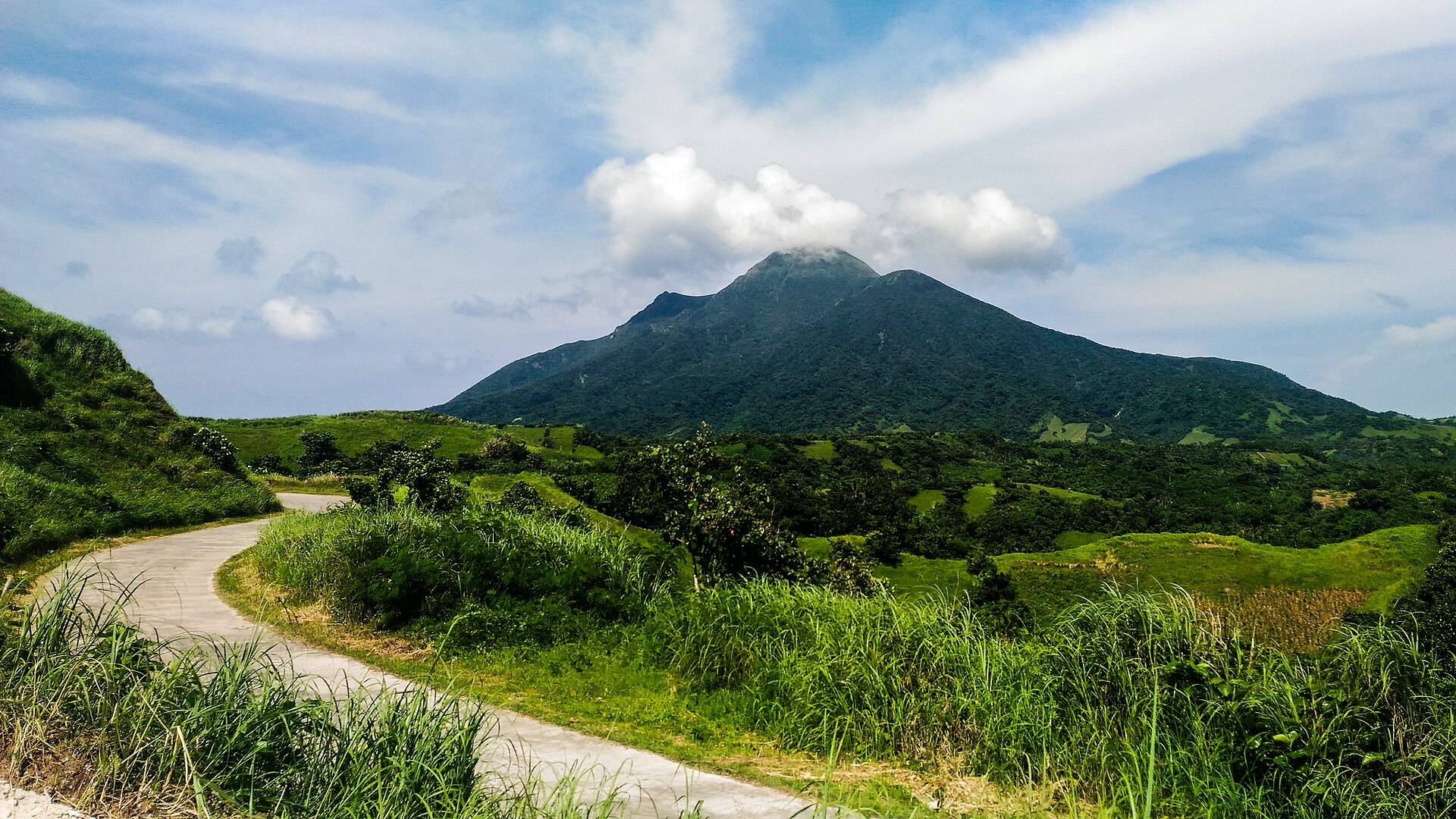
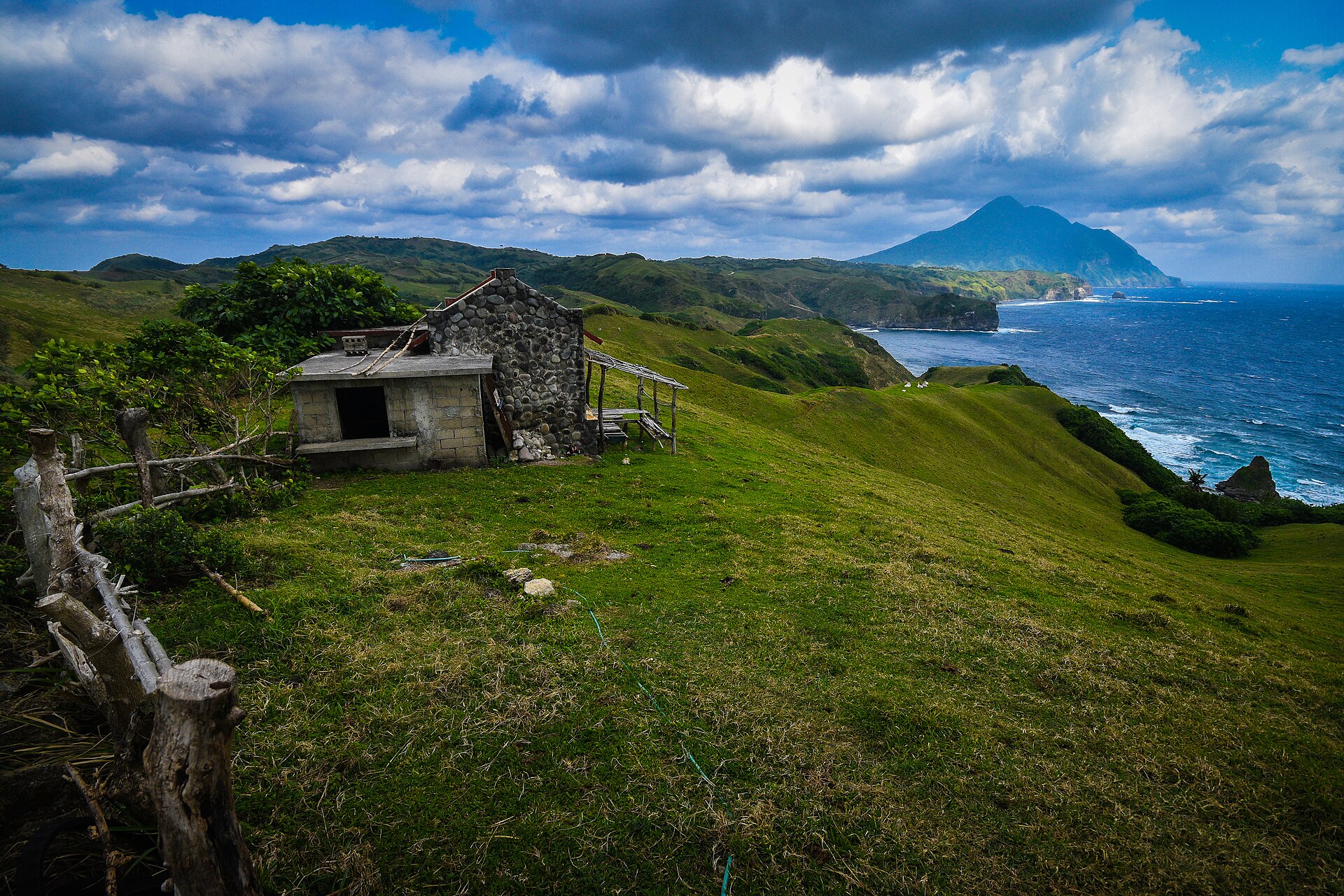
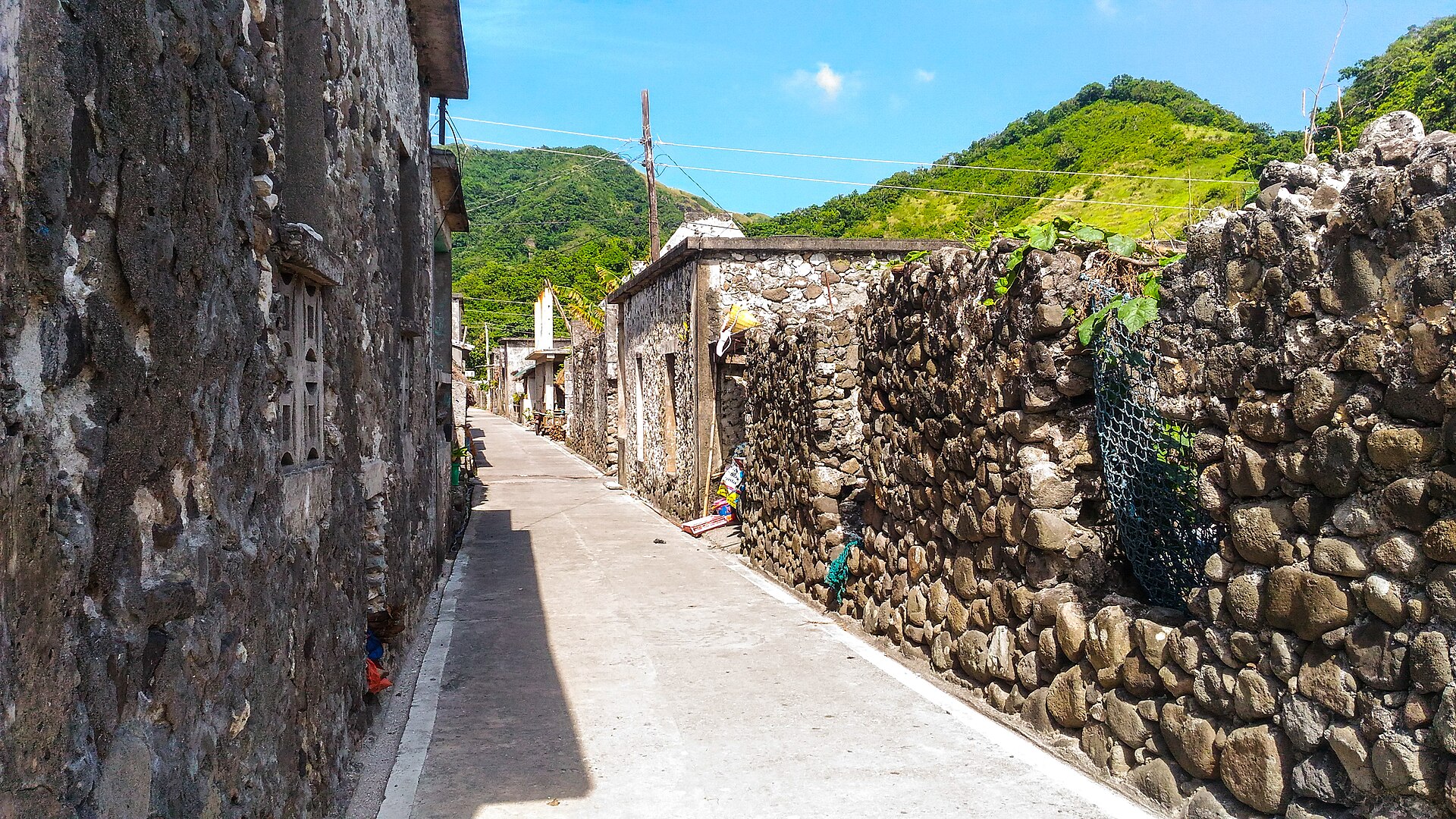
Tap a photo to see it full size. Gallery photos come from Wikimedia Commons; each photographer's credit shows when you open the photo.
Watch before you go
Photo: "Panoramic shot of Vayang Rolling Hills" by Bien02, via Wikimedia Commons, licensed under CC BY 4.0.
Last updated October 15, 2026