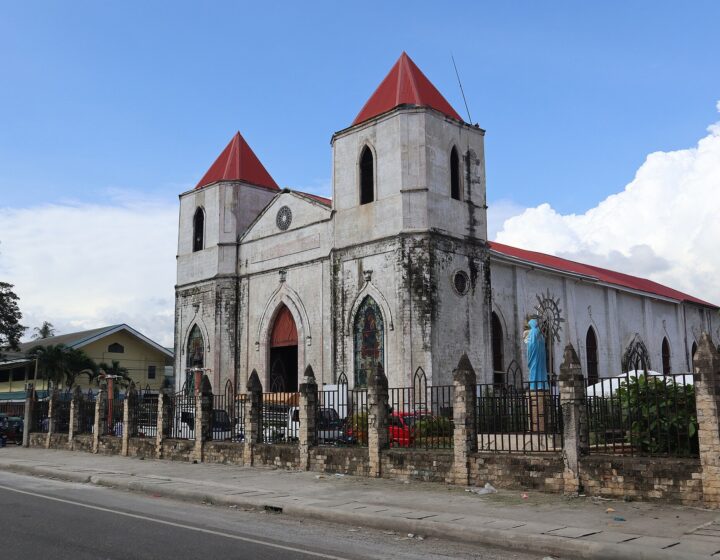
Sibonga Church
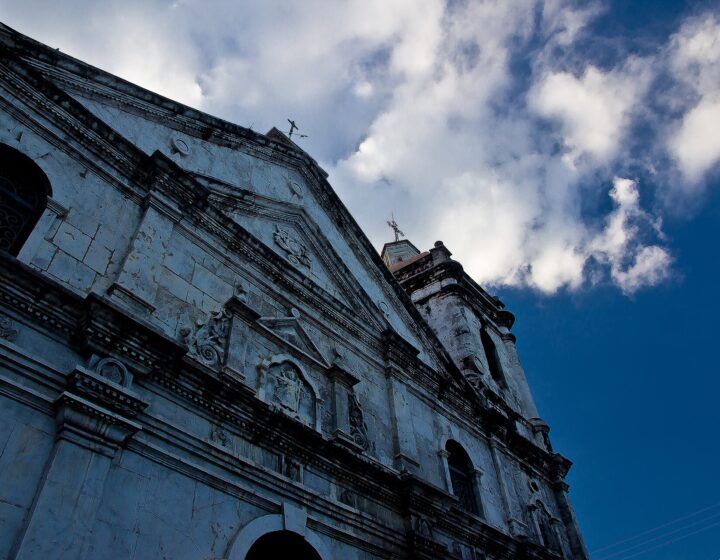
A twin-towered coral-stone church from the Spanish era, famous for its painted ceiling. Easy to add to a south Cebu road trip between Carcar and Argao.
Our guides to Heritage & culture, with how to get there, fees and tips.
21 guides
A twin-towered coral-stone church from the Spanish era, famous for its painted ceiling. Easy to add to a south Cebu road trip between Carcar and Argao.
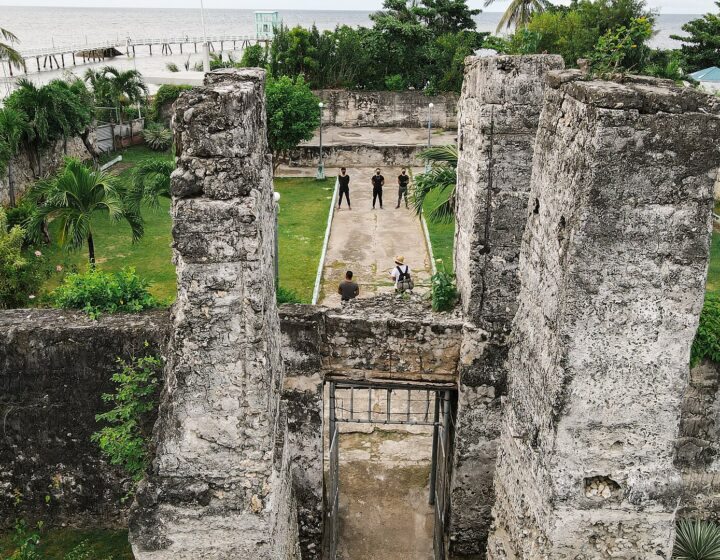
Coral-stone fort ruins from the Spanish era, now a seaside park on the northern tip of Bantayan Island. Come for the history, the pier and an easy sunset walk.
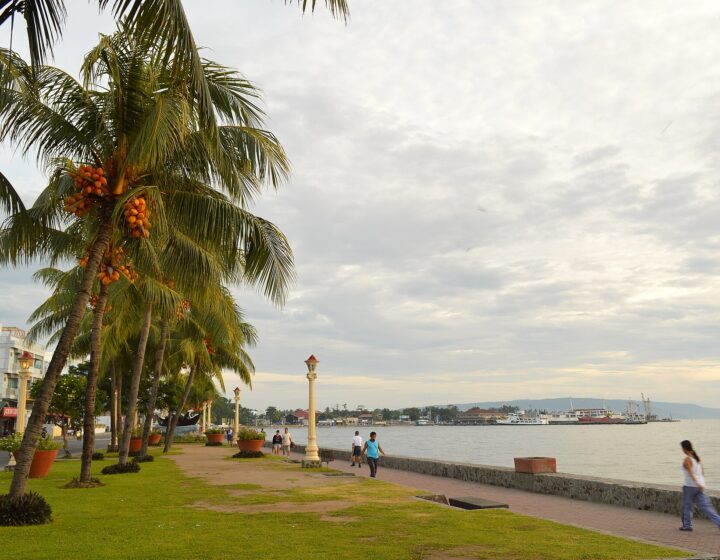
Dumaguete's seaside promenade: a relaxed walk with sea views toward Siquijor, cafes, restaurants and the city's old heart just a few steps inland.
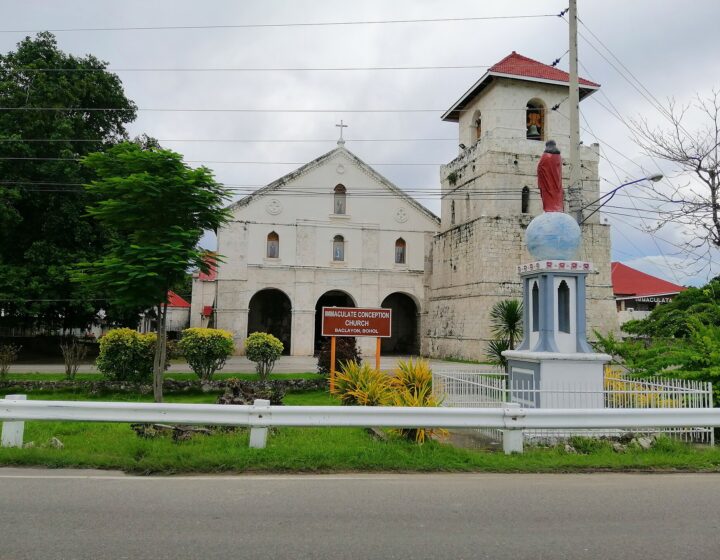
One of the oldest stone churches in the Philippines, built of coral stone in 1727 on Bohol. Rebuilt after the 2013 earthquake, with a museum, a bell tower and a quiet seaside town.
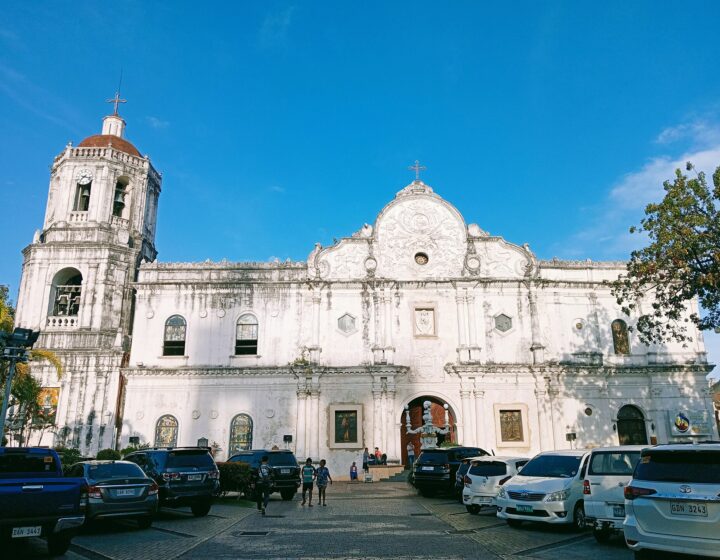
The mother church of the Archdiocese of Cebu, a few minutes' walk from the Basilica. Its war-time story, the 1835 bell tower, the bishops' mausoleum, visiting etiquette and how to combine it with the old town.
Cebu City's famous Colon Street: the busy downtown strip called "the oldest street in the Philippines", the truth behind that claim, the obelisk, cheap shopping, street food and nearby heritage sights.
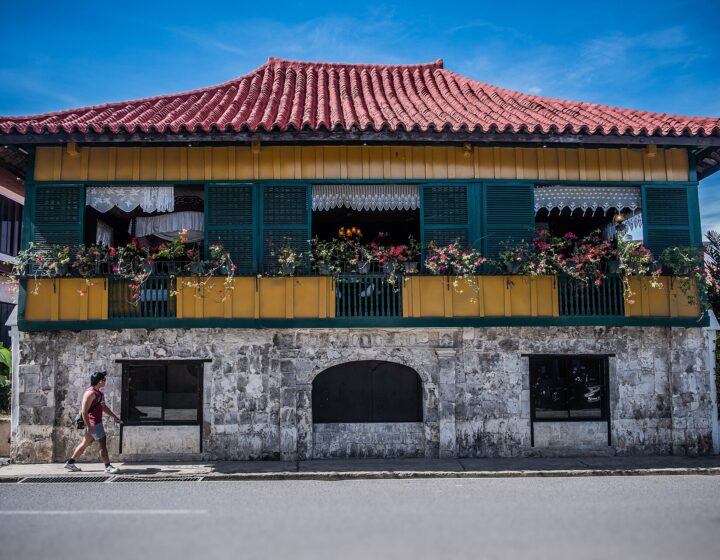
One of the oldest surviving houses in the Philippines, built around 1675 in Cebu's old Parian district. Coral-stone walls, a timber upper floor, antique furniture and santos, for a small entrance fee.
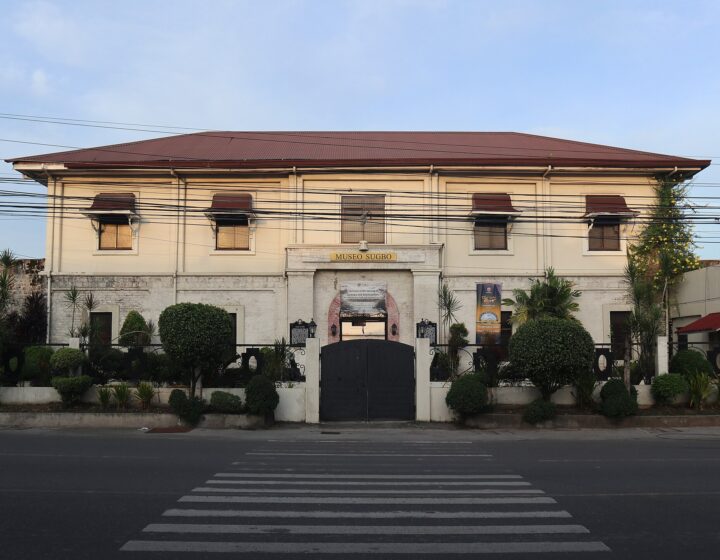
Cebu's provincial museum, set in the coral-stone Carcel de Cebu jail of the 1870s. See the galleries on Cebu's past, reopened in August 2025, in a quiet corner near Fort San Pedro.
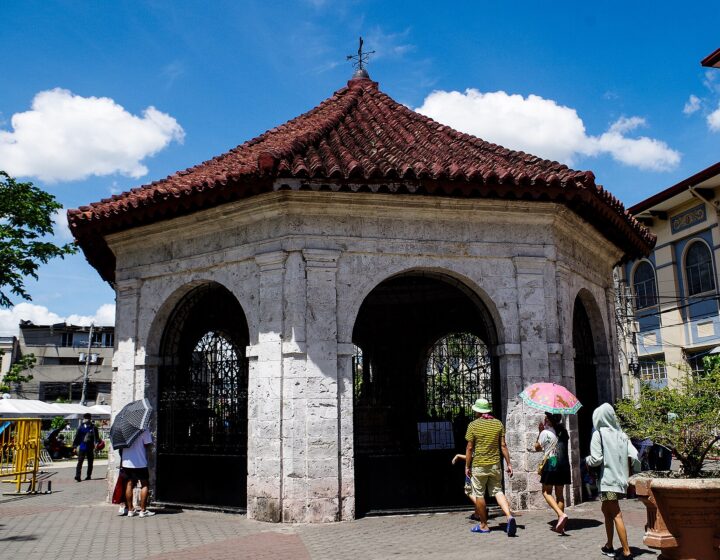
The small coral-stone pavilion in downtown Cebu City that shelters Magellan's Cross. Its story, the painted ceiling, candle custom, the 2025 closure and how to visit next to the Basilica.
The oldest Catholic church site in the country and the Holy Child image behind it, with Magellan's Cross in its kiosk next door. Free to enter. Pilgrim customs, dress code and etiquette explained.
A 19th-century ancestral house in Cebu City's Parian district. Walk its timber halls, carved arches and family chapel, and learn how four generations of the Gorordo family lived.
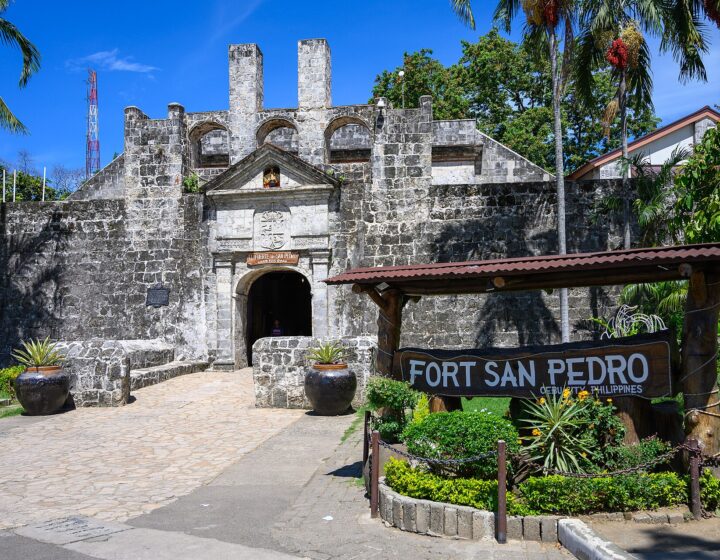
The triangular Spanish fort beside Pier 1, where Cebu's story as a city began in 1565. Thick coral-stone walls, three bastions, a quiet garden courtyard and a small museum, for a low entrance fee.
Tap a pin for the place name and a link to its guide. Zoom out with the minus button to see our guides beyond Cebu.
Loading the map...
The map couldn't load right now. Every guide is listed above.
Free printable guide
An island map, how to get around and the best spots in every region, in one printable guide.