Fort San Pedro
The triangular Spanish fort beside Pier 1, where Cebu's story as a city began in 1565. Thick coral-stone walls, three bastions, a quiet garden courtyard and a small museum, for a low entrance fee.
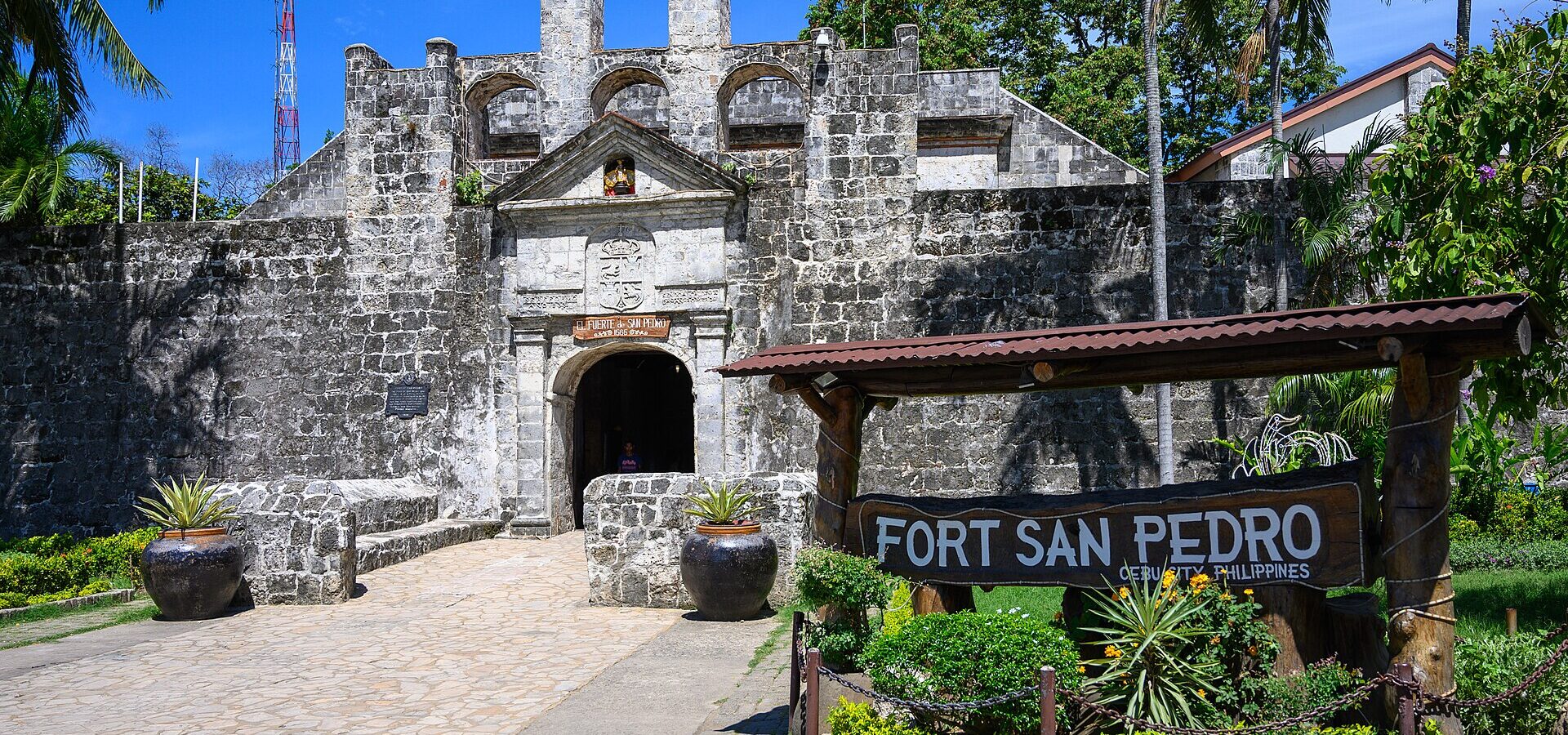
Fort San Pedro is the little triangular fortress by the waterfront in Cebu City, beside Plaza Independencia and a short walk from Pier 1. Its Spanish name is Fuerza de San Pedro. The first fort here went up in 1565, when the Spanish settled Cebu, which makes this the spot where the city itself began. It is small, calm and easy to see in an hour, and it is one of the best-value stops in the city.
Why visit Fort San Pedro
- The oldest fort of its kind in the country, built to guard the harbour and the first Spanish settlement.
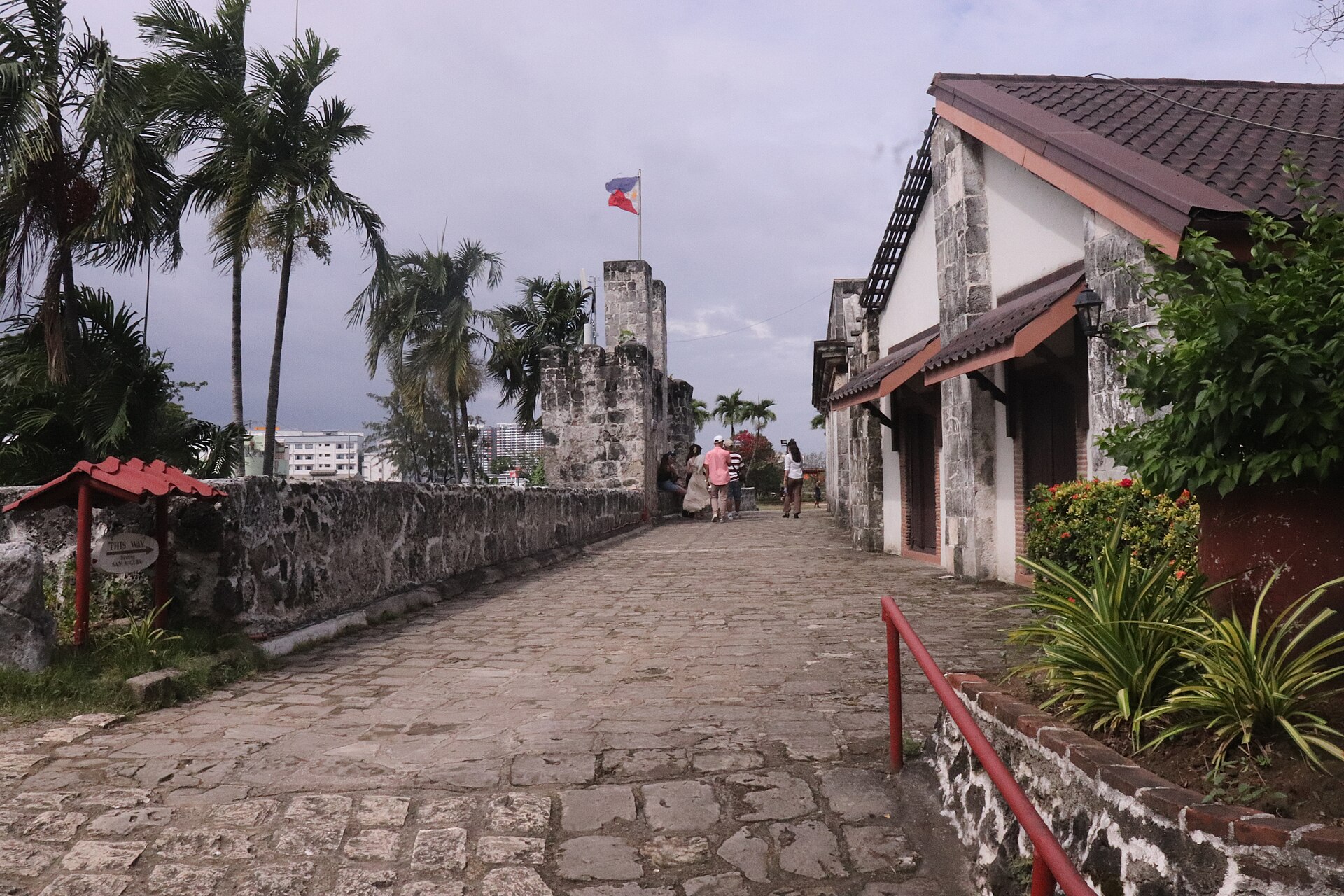
- Thick coral-stone walls you can walk along, with views of the plaza, the port and the Mactan Channel.
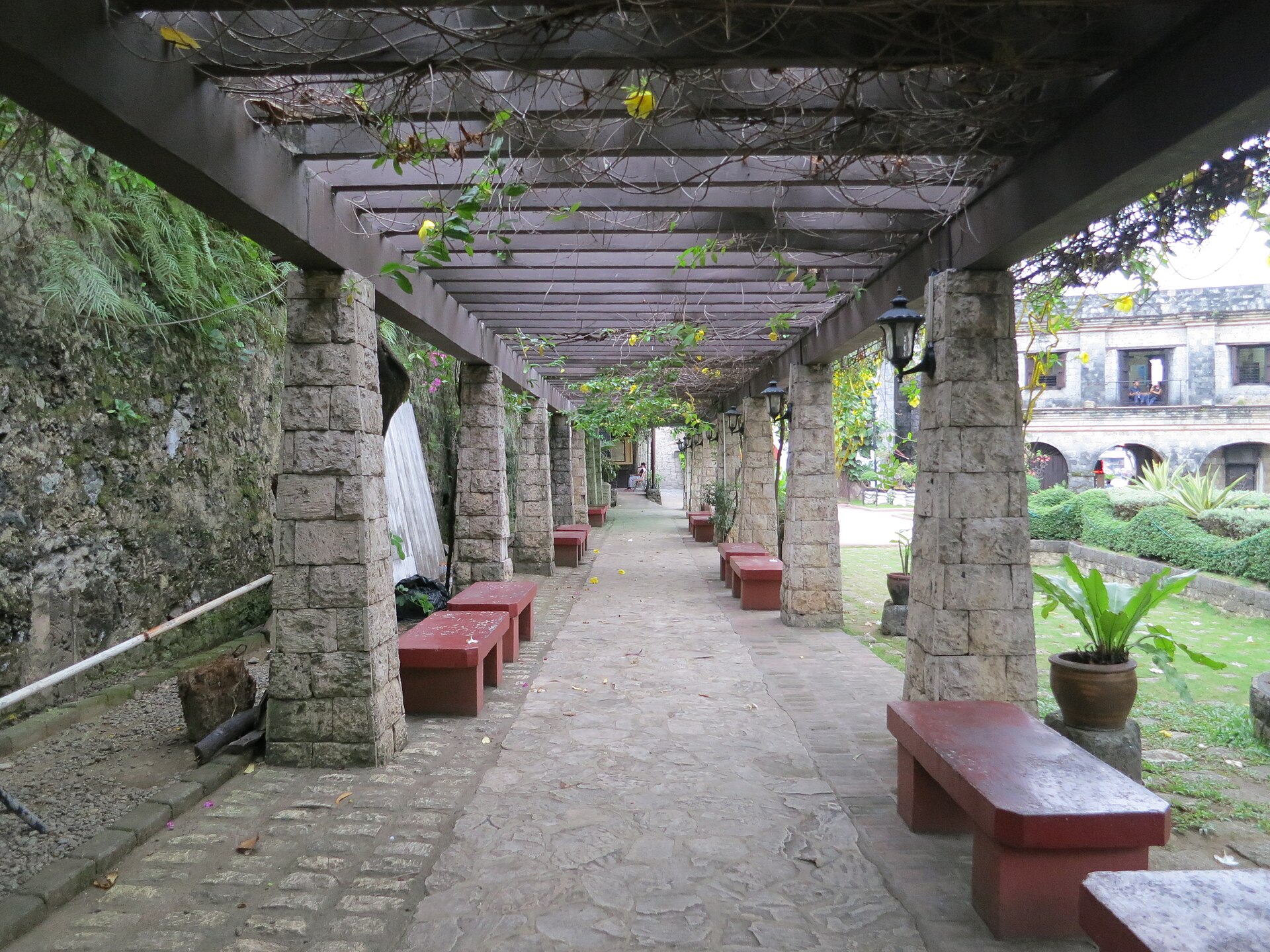
- A peaceful garden courtyard that feels far from the traffic outside.
- A small museum and a low entrance fee, so it fits easily into a walking tour of old Cebu.
A short history
Miguel Lopez de Legazpi began the fort in 1565 with wood and earth, to protect the new settlement. In 1738 the Spanish rebuilt it in coral stone, which is the fort you see today. It is shaped like a triangle with three corner bastions: La Concepcion, Ignacio de Loyola and San Miguel. The walls are about 6 metres high and 2.4 metres thick.
The fort has had many lives. Filipino revolutionaries took it in 1898, then it was used by American forces, as a school, as an emergency hospital in World War II, and for a time as a zoo and offices. Restoration began in the late 1960s. Today it is a historical park run by the Cebu City government, and it has been recognised as a National Cultural Treasure.
What to see inside
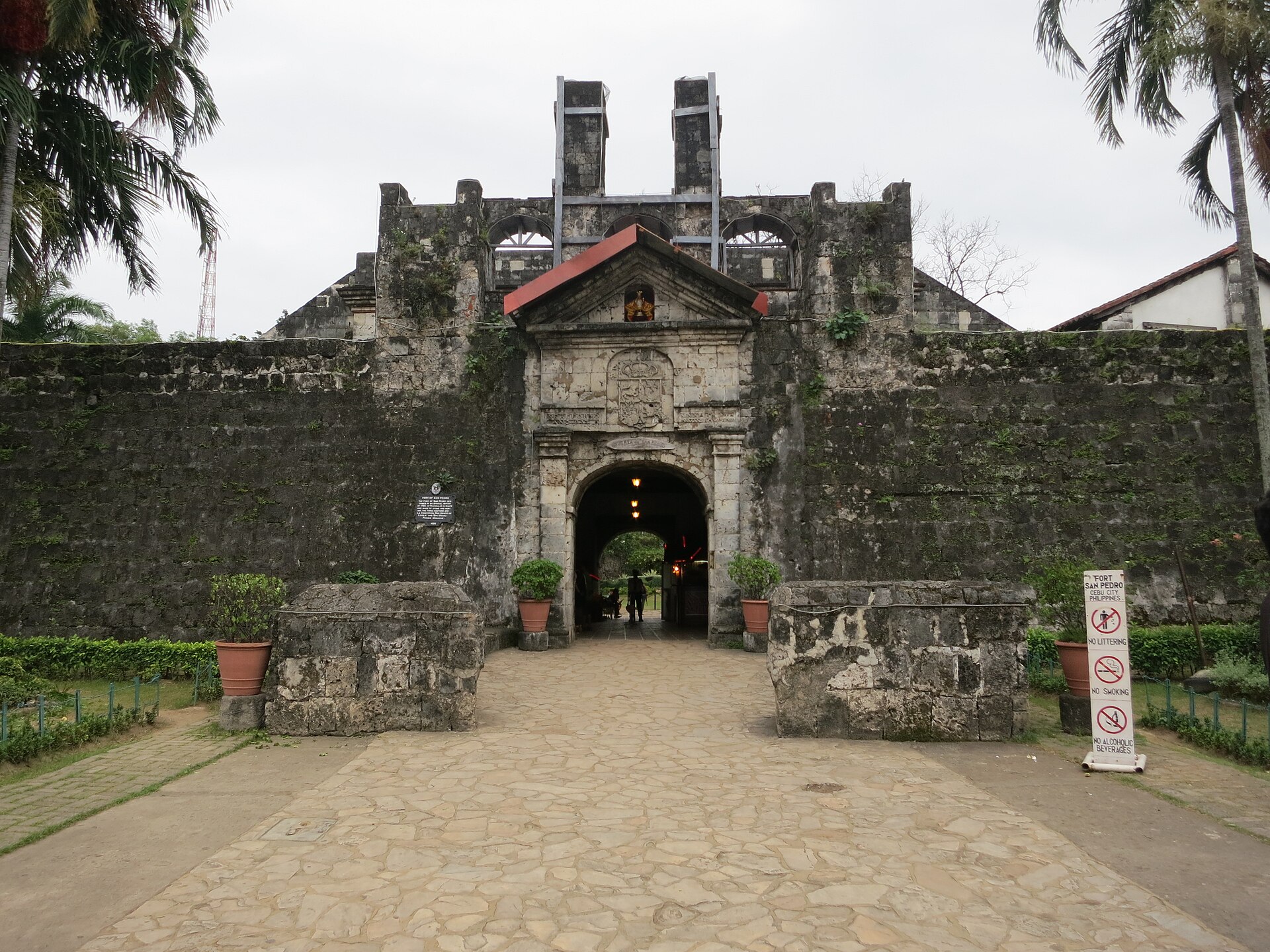
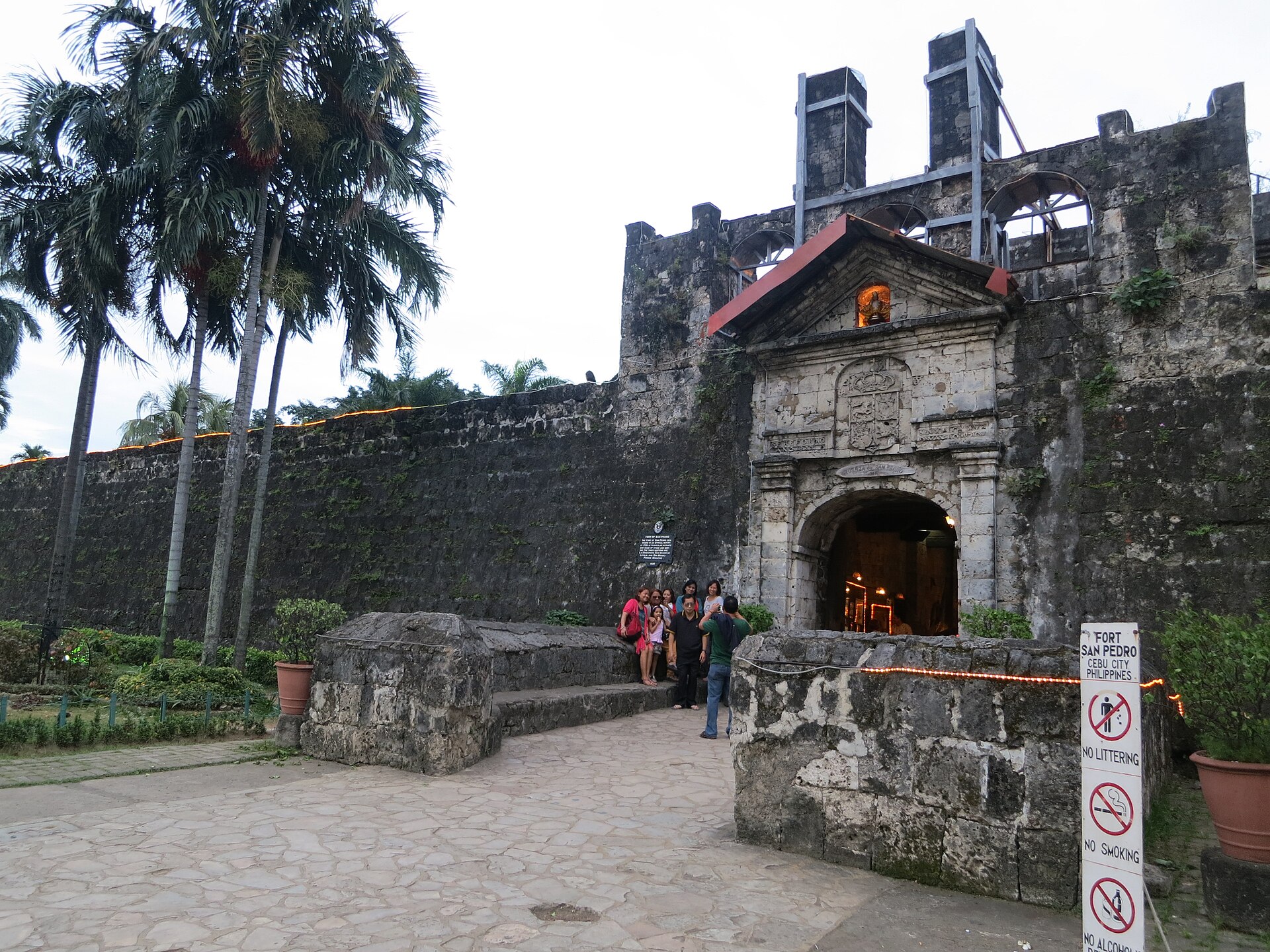
Start at the stone main gate, with its carved coat of arms above the arch. Inside, wander the courtyard garden, then climb the stairs to the walls and bastions. Old cannons still point out from the corners, and the bastions have markers explaining their names. The museum rooms show Spanish-era items, maps and photos of how Cebu grew around the fort.
The fort has been damaged more than once, by typhoon Odette in 2021 and by the September 2025 earthquake, and repair work has been planned and carried out. Some corners may be fenced off or under scaffolding when you visit. Ask at the ticket booth what is open.
Make it a heritage walk
Fort San Pedro is the southern end of Cebu's old town. From here you can walk to Magellan's Cross, the Basilica Minore del Santo Nino and the old streets around them. Our Cebu City heritage guide covers that route in full, so this page sticks to the fort. In the plaza outside, look for the Legazpi monument and the war memorials.
Where is Fort San Pedro?
Cebu City, Cebu
Directions open in Google Maps, starting from where you are. Its travel times are estimates, and ferries and island boats may not be included.
Getting there from Cebu City
- From anywhere in the city, ride a jeepney or taxi to Pier 1 or Plaza Independencia. A taxi or ride-hailing car from downtown usually takes about 15-30 minutes, depending on traffic.
- From Mactan-Cebu Airport, expect about 30-60 minutes by taxi or ride-hailing car. Our guide to Mactan Airport to Cebu City has the options.
- The fort is on A. Pigafetta Street, at the edge of Plaza Independencia. Get off at the plaza and walk in through the gate.
- Coming from Magellan's Cross or the Basilica, it is an easy walk of about 10-15 minutes in daylight.
Fares change, so ask the driver for the meter, or agree a price before you ride. Being next to Pier 1, the fort is also easy to combine with a ferry day: see ferries from Cebu.
Entrance fee and opening hours
Recent travel guides, from 2026, list the fort as open daily from about 8 am to 7 pm, with an entrance fee of about ₱30 for adults and ₱20 for students and seniors. Foreign visitors may be charged a little more, and small children are often free. Treat these as estimates: hours and fees can change, and repair work can close parts of the fort, so check at the gate. Bring a few small bills.
Getting around
Inside the fort you walk. The stairs and uneven stone are hard going for wheelchairs and strollers, though the courtyard is mostly flat. In the old town, walking is fine in the cooler hours, and for longer hops use a taxi or a ride-hailing app. See getting around Cebu for more.
Where to stay and eat
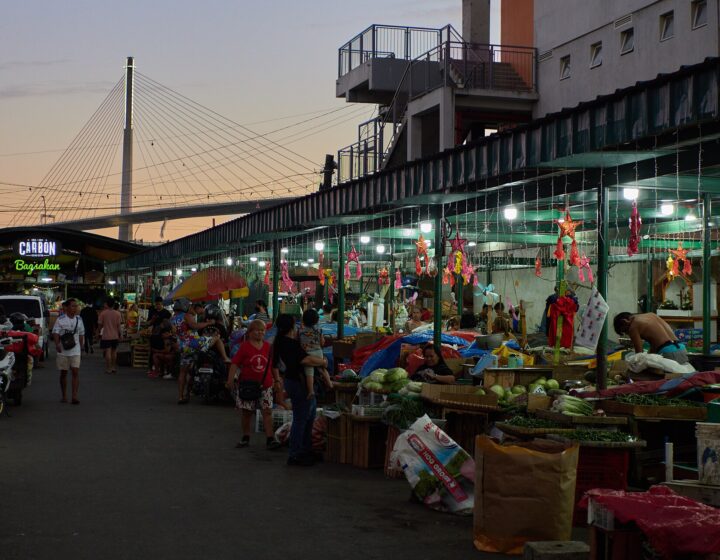
Hotels around Colon, Fuente Osmena and the Cebu Business Park are all within a short ride of the fort, so choose by budget and mood. For food, the streets near the port have simple local eateries, and the area around Colon is good for cheap Cebuano meals. For a more local market experience, head to Carbon Market. Our where to stay and what to eat tips will help.
When to go
The fort is a year-round stop. Go in the morning or late afternoon, when the stone is cooler and the light is softer for photos. There is little shade on the walls at midday. In the rainy months bring an umbrella, since the courtyard has some cover but the bastions do not.
Tips for a good trip
- Allow about 1 hour for the fort and its garden, more if you read the museum labels.
- Wear flat, grippy shoes. The stone steps and walls can be worn and slippery after rain.
- Do not climb on the cannons, and stay off any fenced-off or repaired sections.
- Bring water and a hat. The walls are hot in the middle of the day.
- Keep an eye on your phone and bag in the busy plaza and port area, as in any crowded city spot.
- Respect the site: no littering, and no smoking where signs say so.
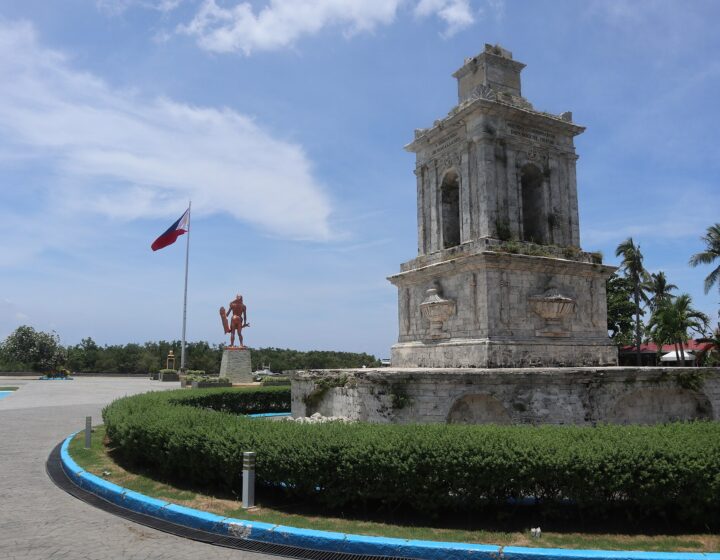
Planning a longer stay? Combine the fort with the Mactan Shrine across the channel, a cool evening up in Busay, or our Cebu 3-day itinerary.
Photo gallery
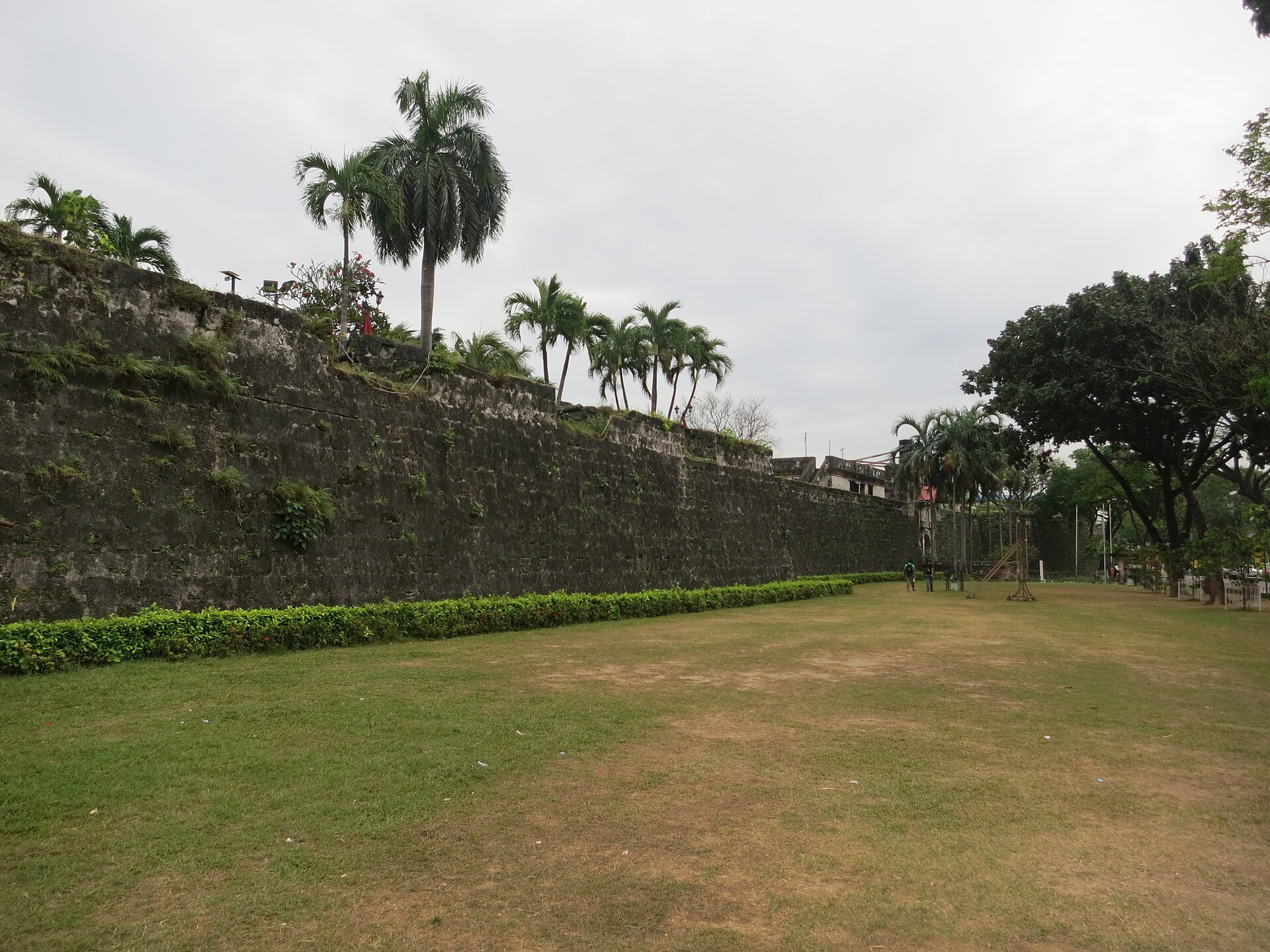
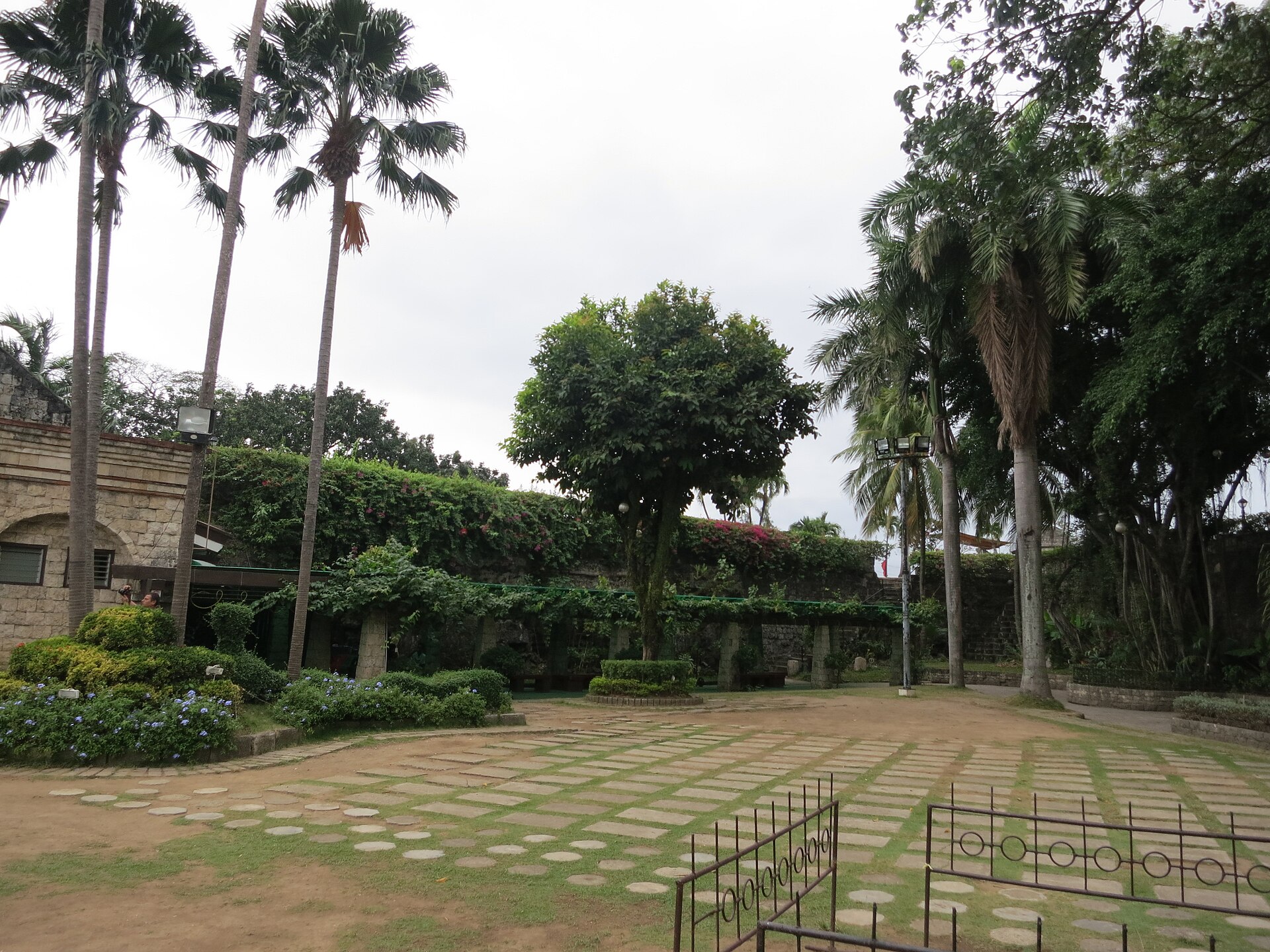
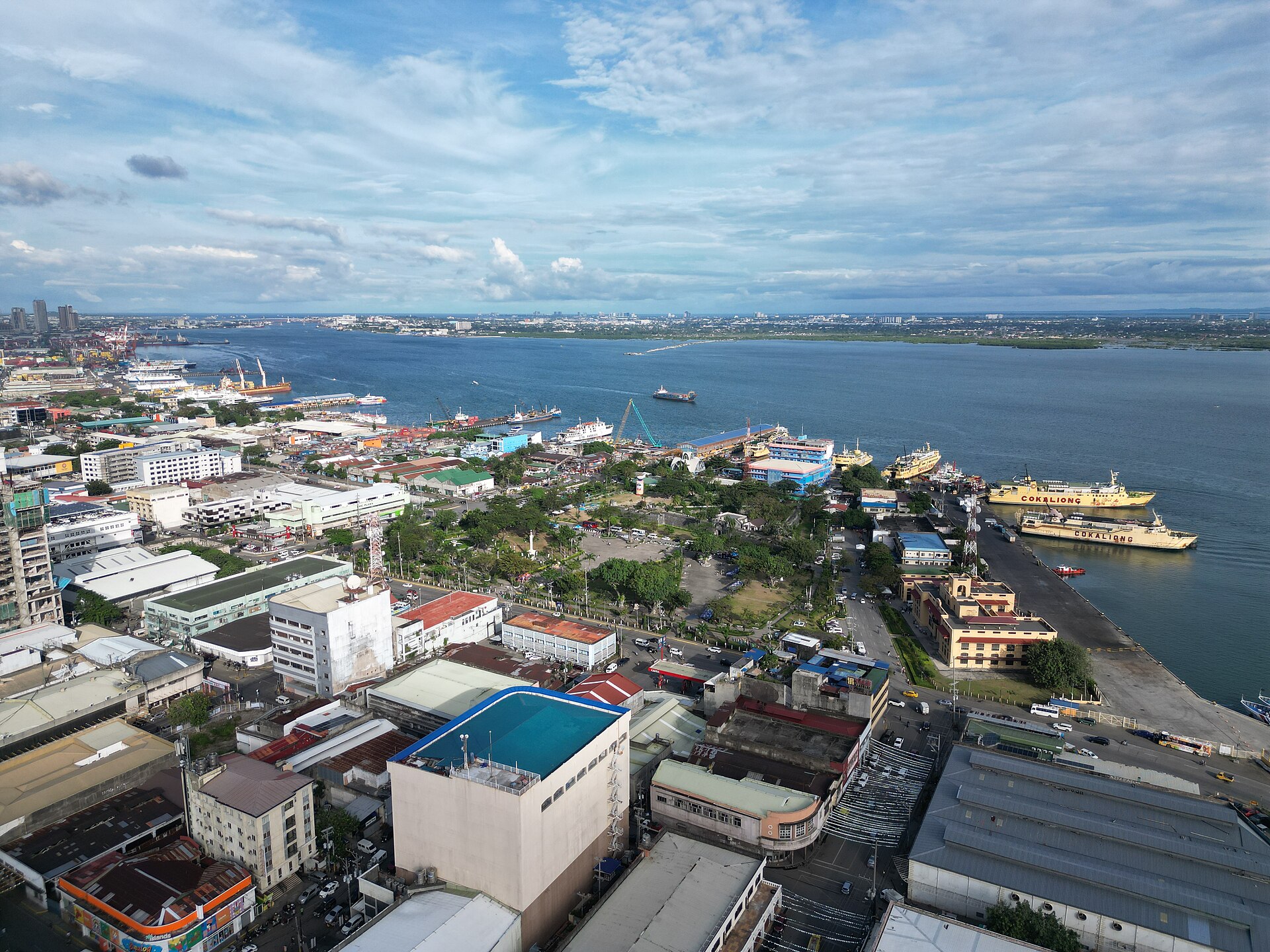
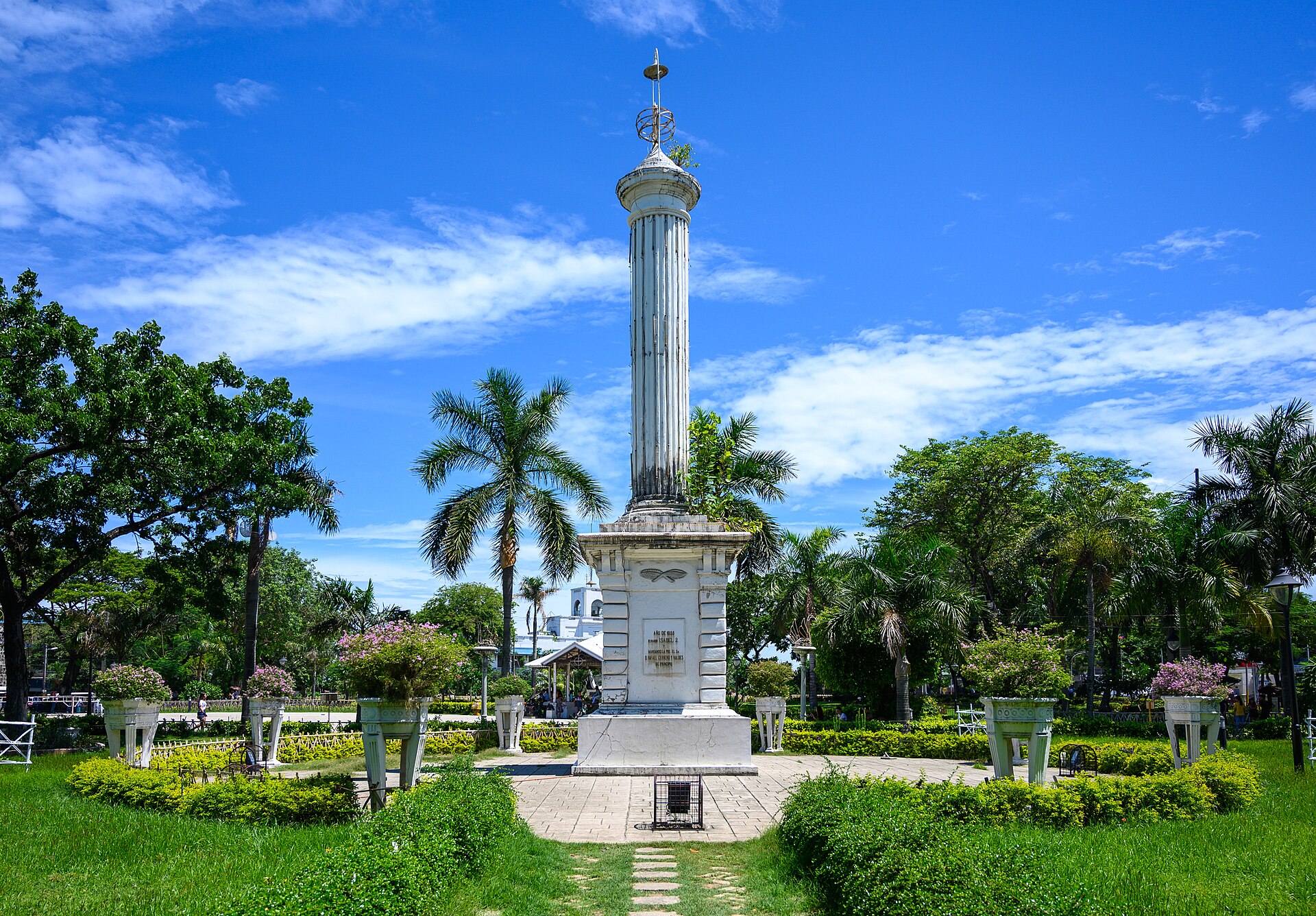
Tap a photo to see it full size. Gallery photos come from Wikimedia Commons; each photographer's credit shows when you open the photo.
Watch before you go
Photo: "Fort San Pedro, Cebu-City (49063919082)" by xiquinhosilva, via Wikimedia Commons, licensed under CC BY 2.0.
Last updated October 19, 2026