Magellan's Cross
The small coral-stone pavilion in downtown Cebu City that shelters Magellan's Cross. Its story, the painted ceiling, candle custom, the 2025 closure and how to visit next to the Basilica.
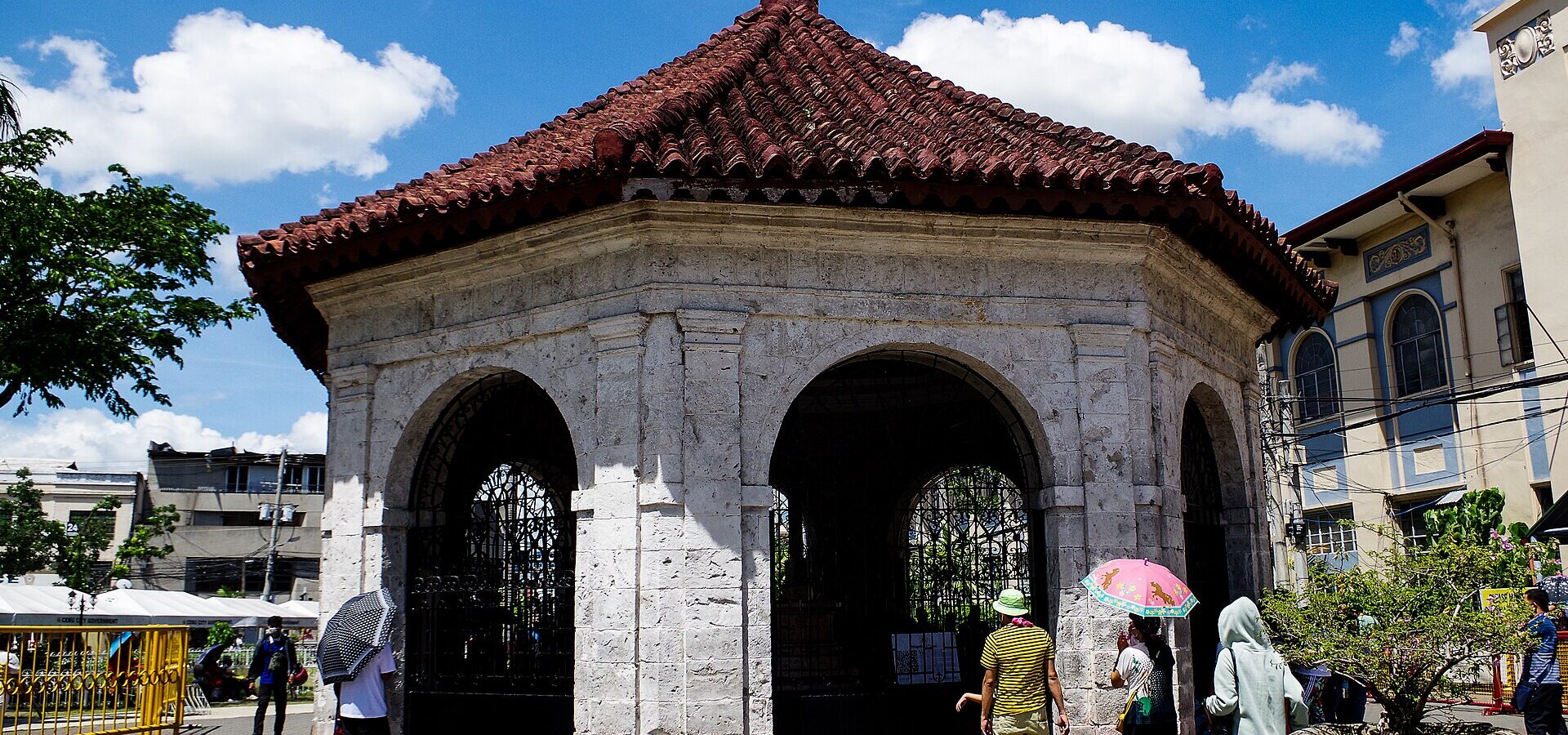
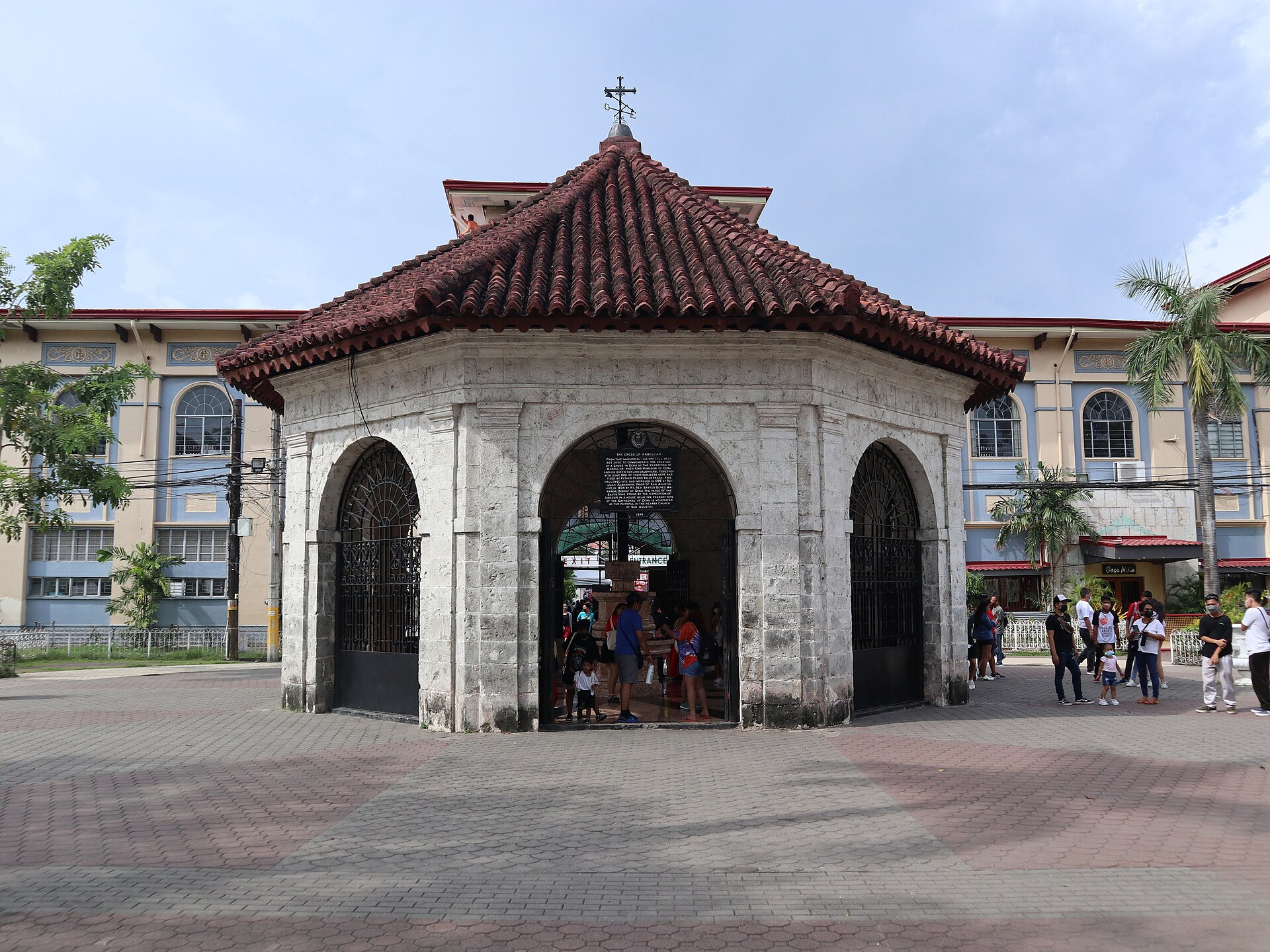
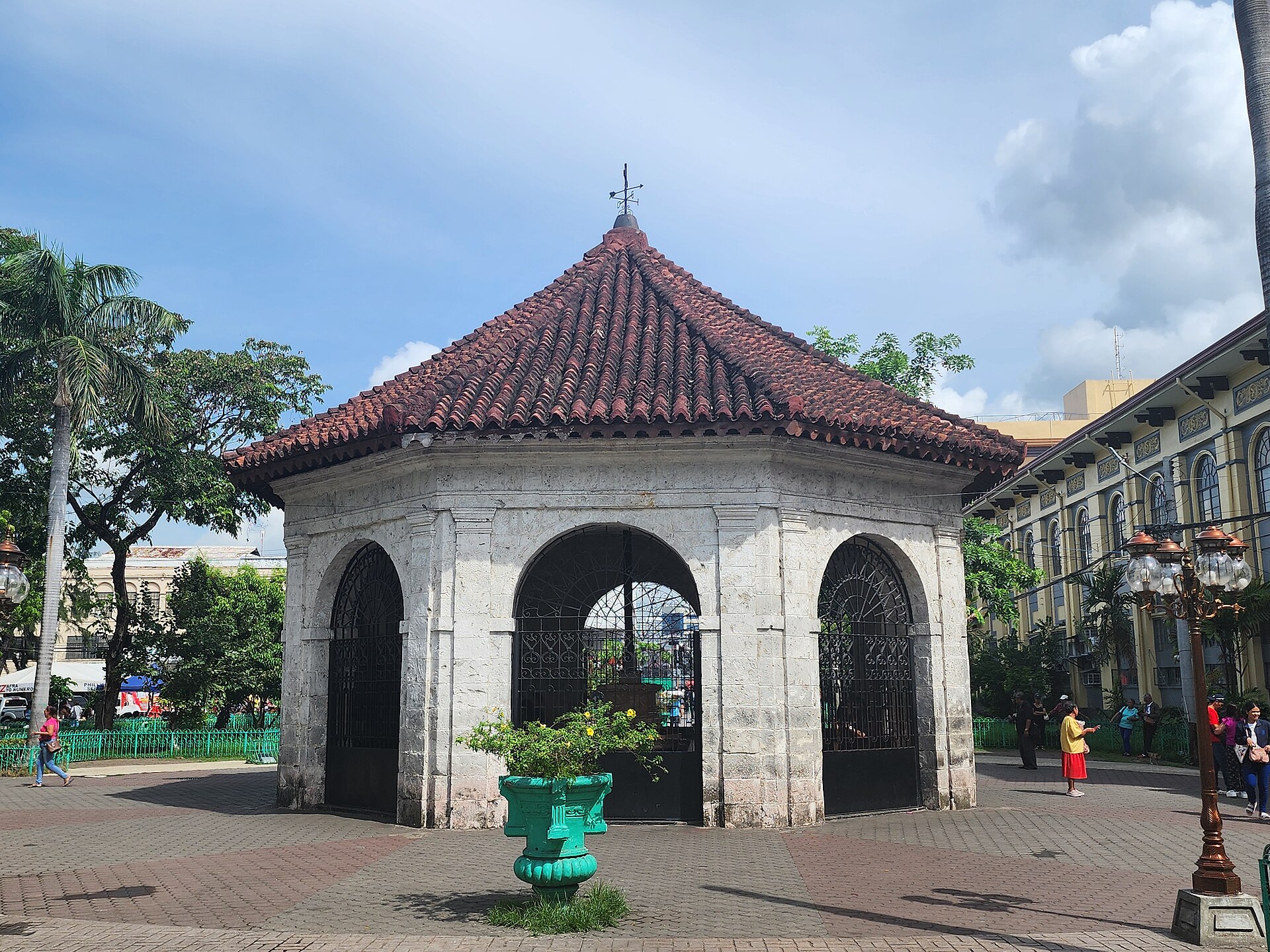
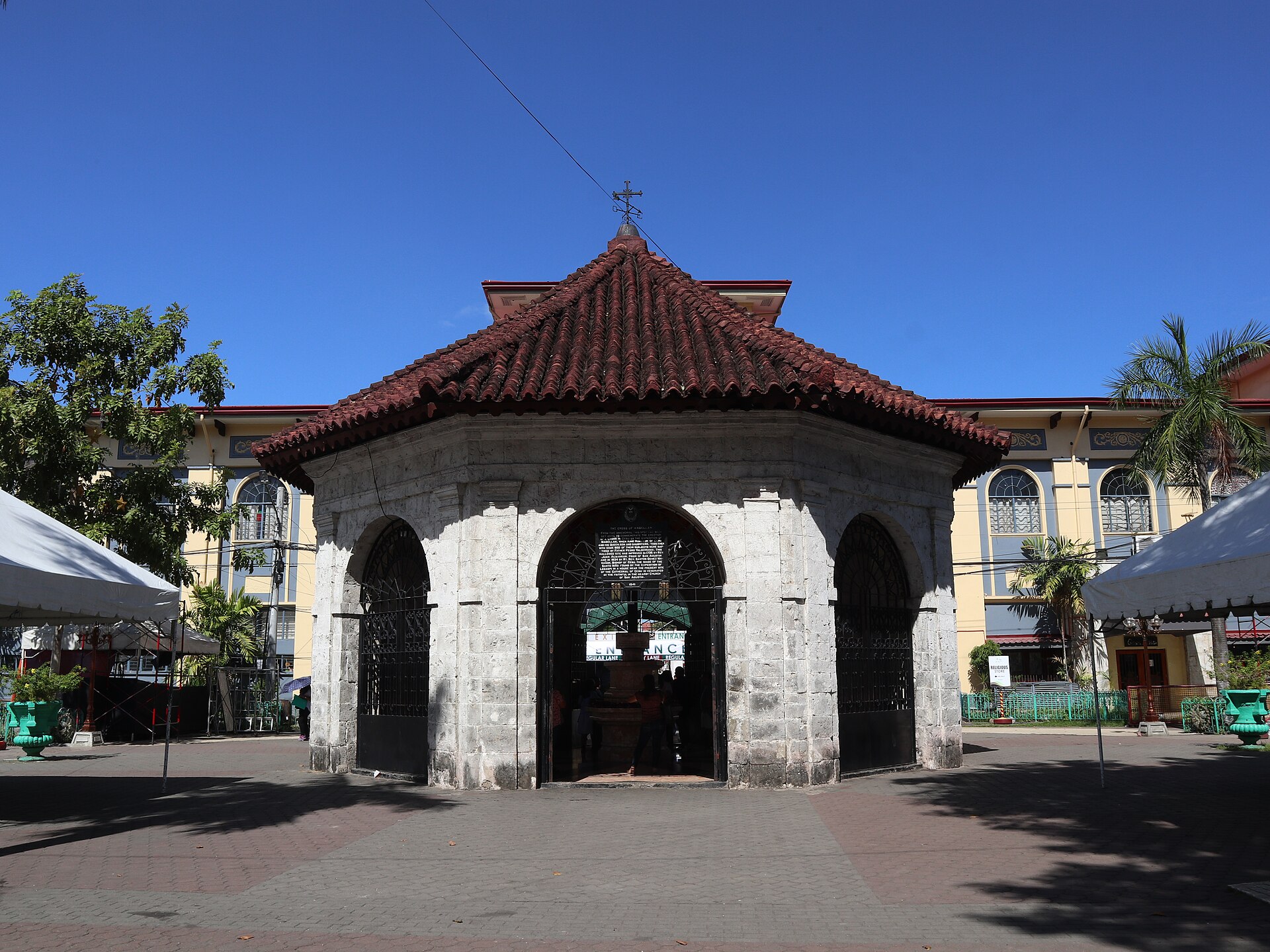
Magellan's Cross is one of the best-known landmarks in the Philippines. It stands in a small, eight-sided pavilion on Plaza Sugbo, in the middle of old Cebu City, right beside the Basilica Minore del Santo Nino. Many people expect something large and are surprised by how small and quiet it is. The meaning is what makes it special: this is where the story of Christianity in the country is said to begin. Allow 15-30 minutes, then carry on to the basilica next door.
Why visit Magellan's Cross
- A famous place in Philippine history, linked to the arrival of Magellan's expedition in Cebu in April 1521.
- A free stop in the middle of the old town, easy to combine with the basilica, Fort San Pedro and Casa Gorordo.
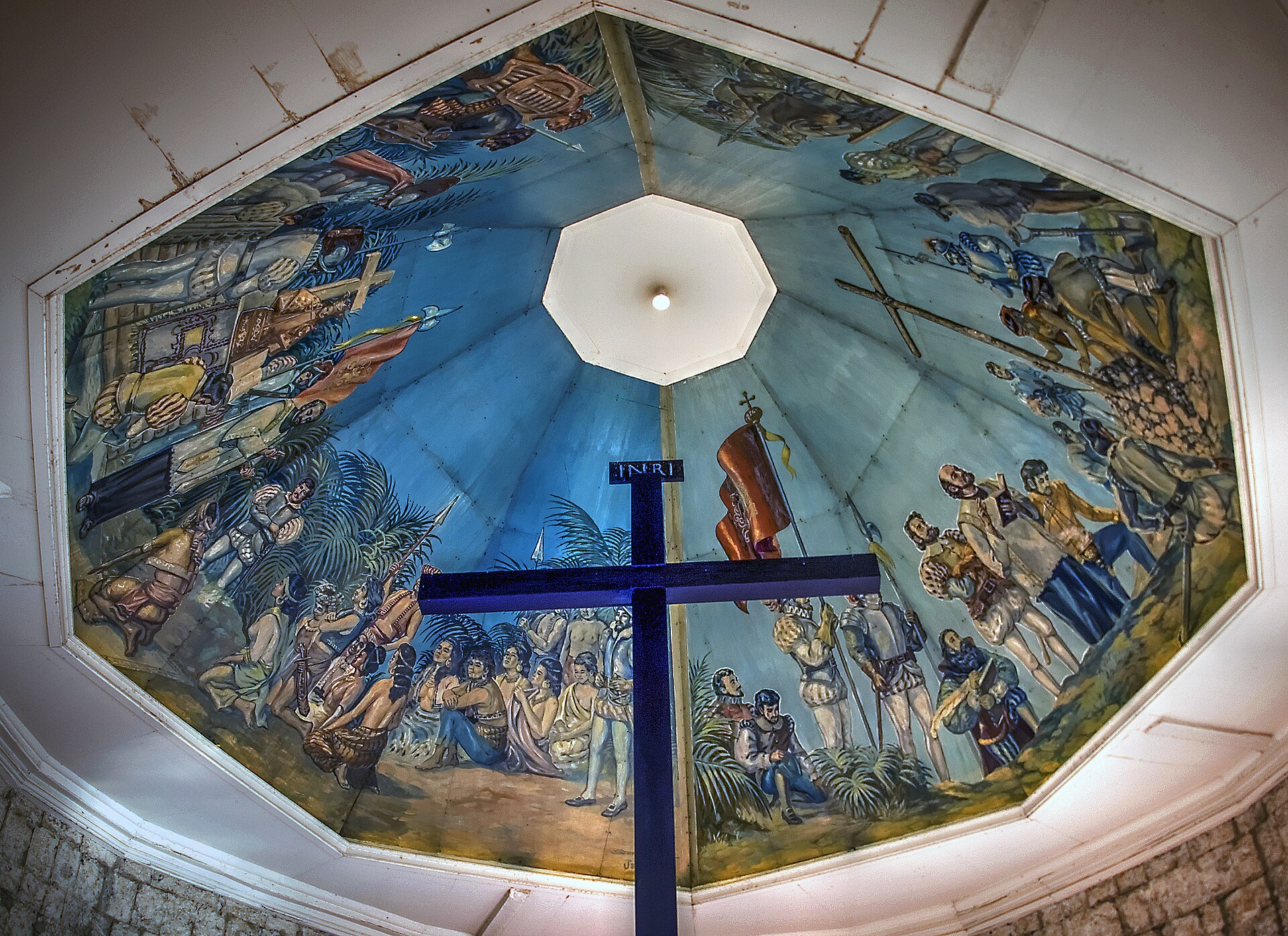
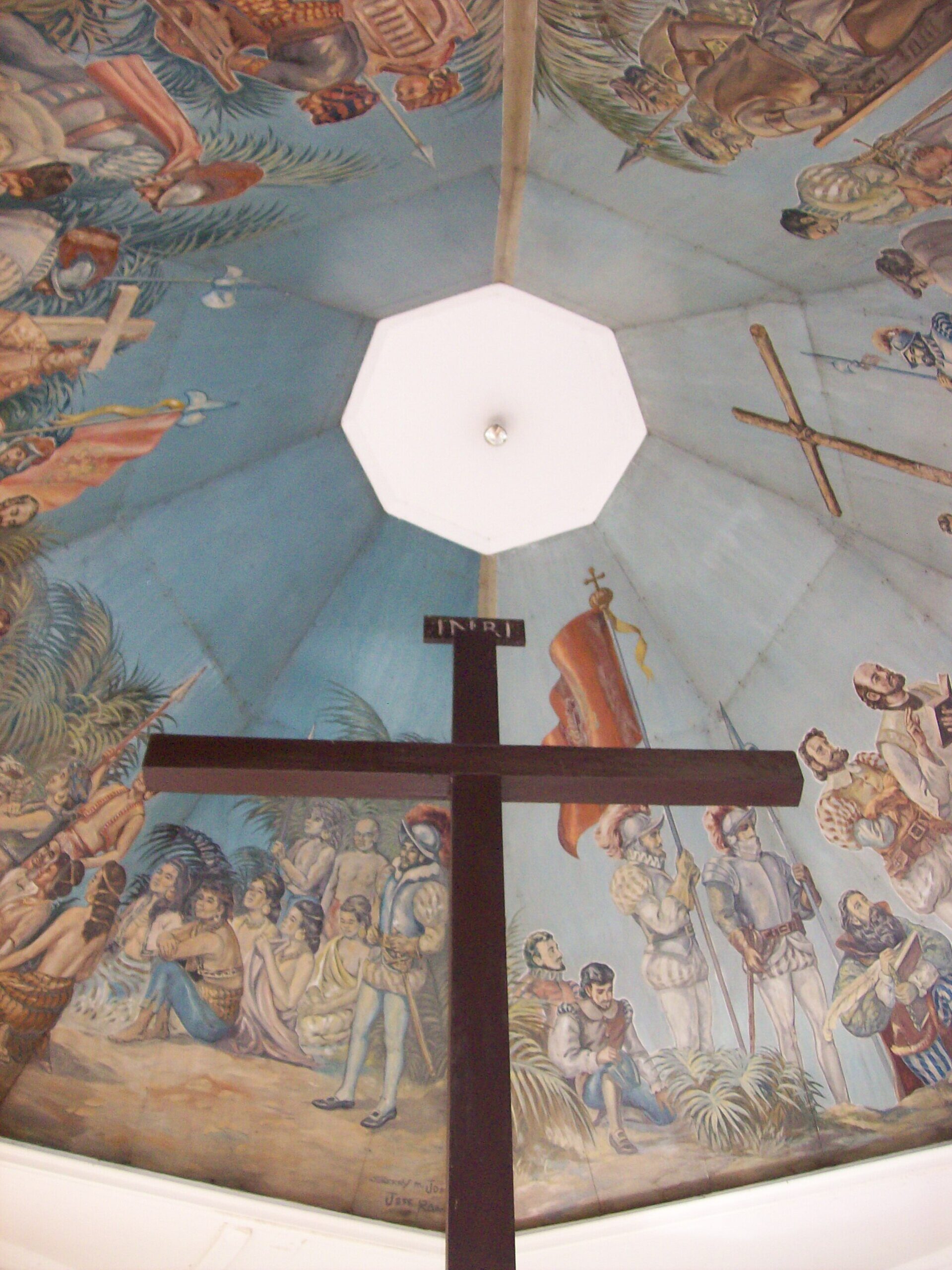
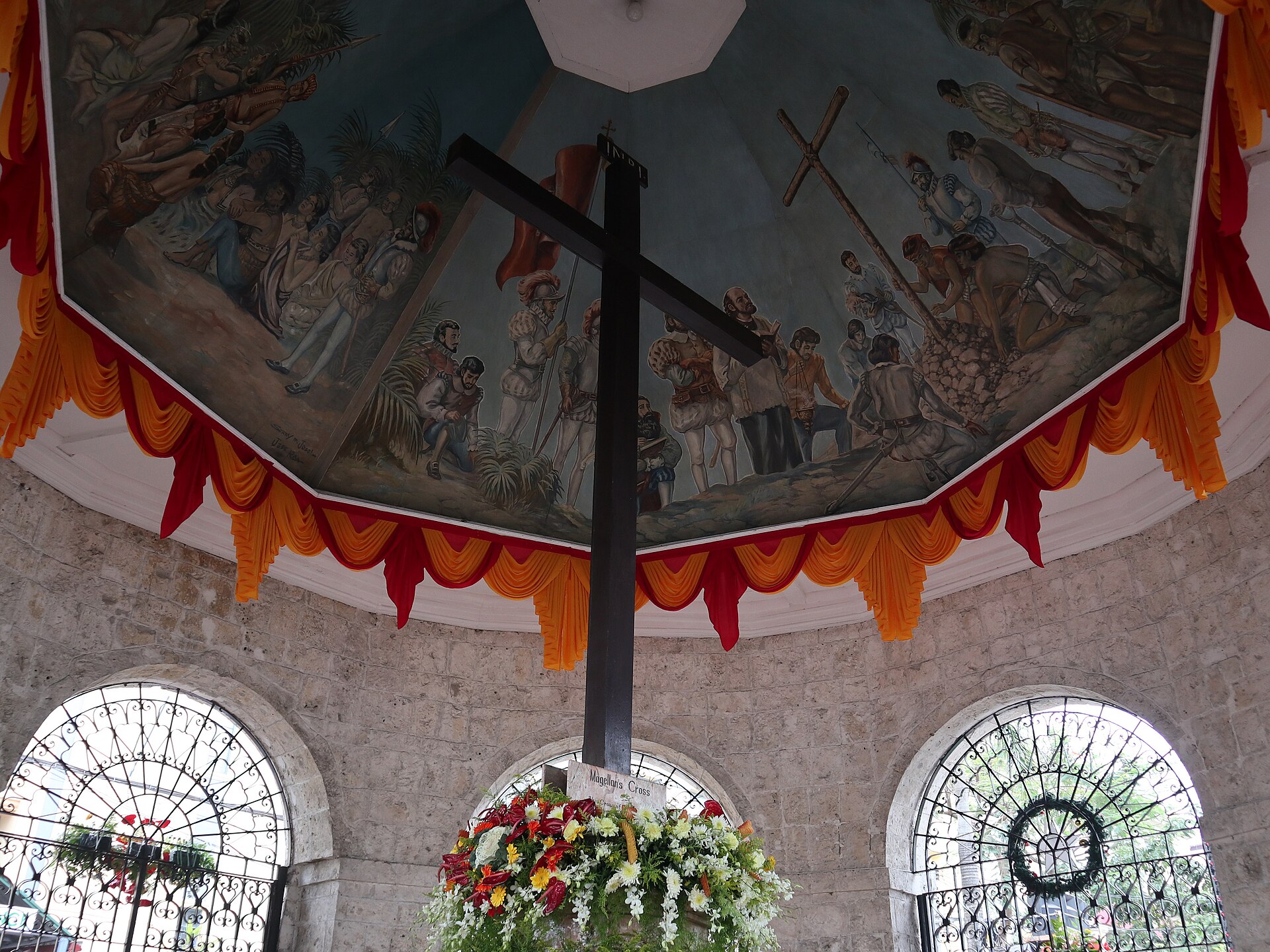
- A painted ceiling inside the pavilion that shows the baptism of Rajah Humabon and the planting of the cross.
- A living place of prayer, where local people still light candles every day.
The story in short
In April 1521 the Spanish expedition led by Ferdinand Magellan reached Cebu. The local ruler, Rajah Humabon, his wife and many of their people were baptised, and a cross was planted to mark the event. Magellan was killed in a battle on Mactan island only weeks later, and the expedition moved on. Sources differ on the exact day in April, so we keep it simple. For the Mactan side of the story, see our Mactan Shrine guide.
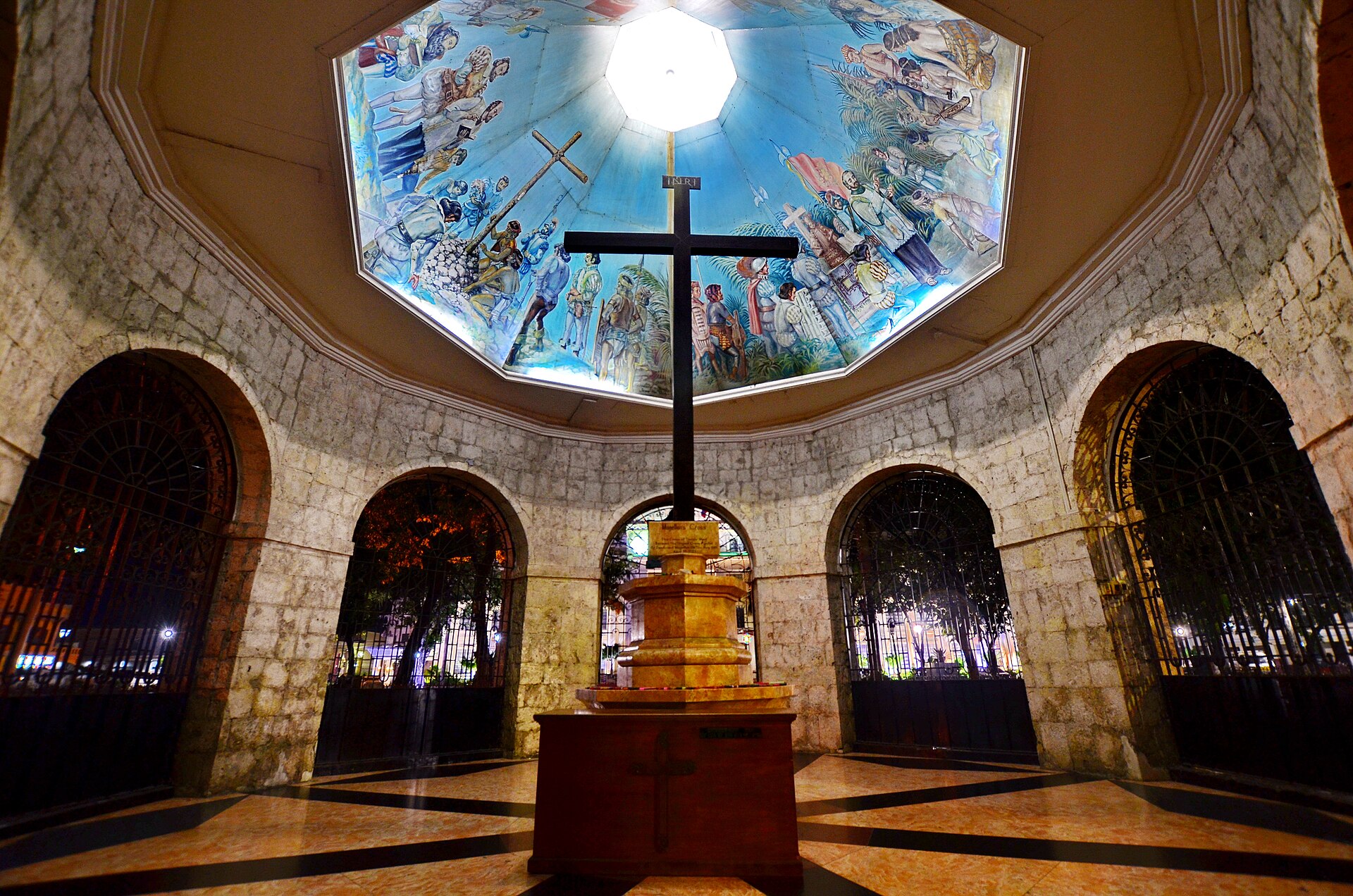
The cross you see today is made of tindalo, a hard dark wood. According to the traditional account, it was placed around the original cross in 1835 because visitors kept chipping off pieces, believing they had healing powers. Whether the old cross still lies inside is a matter of tradition, so visit with respect for the belief rather than as a science check.
The pavilion and its ceiling
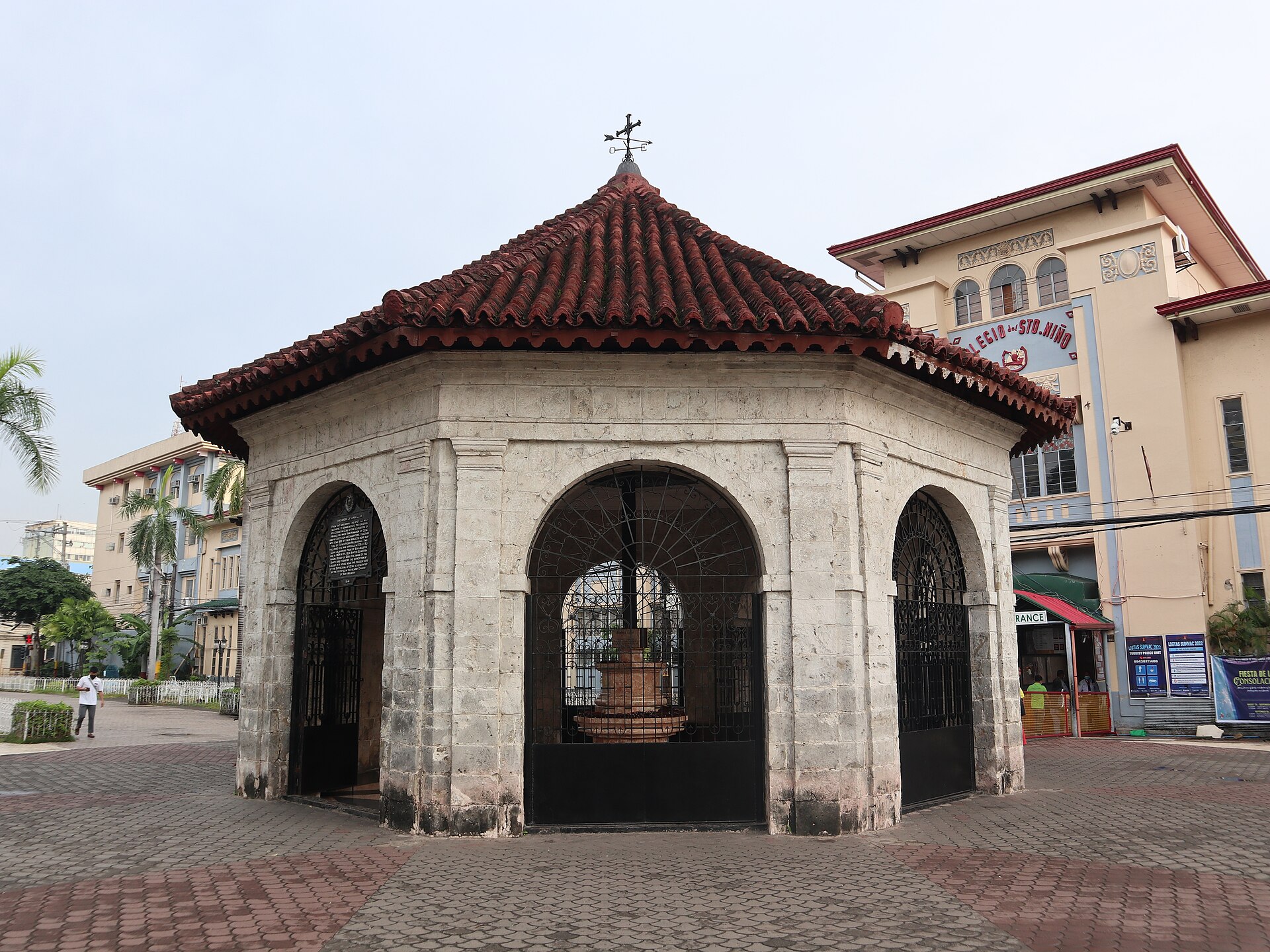
The pavilion is an octagonal kiosk of coral stone with a red tiled roof, built in the 1830s. Inside, the ceiling is painted with scenes of the baptism and the planting of the cross, the work of local artists Jess Roa and Serry Josol. The pavilion and the Basilica del Santo Nino's church and convent were declared a National Cultural Treasure on 14 April 2021, during the 500th anniversary of Christianity in the country.
Important: the pavilion may be closed
The pavilion was damaged by the 2013 Bohol earthquake, and in 2015 the wooden cross was found to be damaged by termites. It was repaired and reopened in March 2016. After the 2025 Cebu earthquake it was closed to the public again because of cracks. Reports say you can still pray outside and place candles through the entrances and windows, but only basilica staff are allowed in. We could not confirm the situation for late 2026, so please check the basilica's Facebook page or ask at the basilica before you go. You can still see the pavilion, its roof and the plaza from outside, and the old-town scenery is worth the walk even then.
The candle custom
Women called tindera sell small candles around the plaza and light them for you while you say a prayer. They often sing or chant a short blessing in Cebuano. The candles are called sinug. You do not have to buy one, but many visitors do. Agree on the price before the candle is lit, and keep small bills ready. A kind "no, thank you" is always fine.
Make it an old-town walk
Magellan's Cross is a few steps from the Basilica Minore del Santo Nino, the church that holds the famous Holy Child image. From here the waterfront fortress of Fort San Pedro is a short walk, and the Parian district has Casa Gorordo Museum and the Yap-Sandiego Ancestral House. The jail-turned-museum Museo Sugbo is also nearby. For a longer route, see our Cebu City heritage guide and the Cebu City walking tour.
Where is Magellan's Cross?
Cebu City, Cebu
Directions open in Google Maps, starting from where you are. Its travel times are estimates, and ferries and island boats may not be included.
Getting there from Cebu City
- From downtown or Colon, it is a short taxi or ride-hailing trip of about 5-15 minutes, depending on traffic. See getting around Cebu and Grab and taxis in Cebu.
- From Mactan-Cebu Airport, allow about 30-60 minutes by taxi or ride-hailing car. Our airport to Cebu City guide has the options.
- Ask for Magellan's Cross on Magallanes Street, next to the Basilica del Santo Nino. Drivers all know it.
- Many jeepney routes pass through the old downtown. See how to ride jeepneys in Cebu. If you walk from Fort San Pedro, expect about 10-15 minutes.
Fares change, so use the meter or agree on a price first.
Entrance, hours and what to wear
Viewing the pavilion is free, and the plaza is open to everyone. When the pavilion is open, local pages usually say it is open during the day, but hours are not set out on an official page we could check, so treat them as estimates. The basilica next door has its own schedule of masses and a small fee for its museum.
This is a place of worship, so dress modestly: cover shoulders and knees, no sleeveless tops or very short shorts. Speak softly and do not climb on the pavilion walls.
Where to stay and eat
The old town is busy and noisy, so most visitors stay around Colon, Fuente Osmena or Cebu Business Park and come in for the day. See where to stay in Cebu. For lunch, try the cheap Cebuano eateries around Colon, or Carbon Market for a more local feel. What to eat in Cebu and the lechon guide have ideas.
When to go
Come early in the morning or in the late afternoon, when the plaza is cooler and the light is softer for photos. Midday is hot and crowded with tour groups. The area gets very busy around the Sinulog festival in January and the April anniversary events. See the Sinulog guide and the Cebu events calendar. On a rainy day the basilica and nearby museums make good shelter. See rainy-day ideas.
Tips for a good trip
- Check the pavilion's status first, and do not be upset if you can only look from outside.
- Photography from outside is fine. Be gentle with other people who are praying, and ask before you photograph individuals.
- Keep your phone and wallet close in the crowded plaza. See staying safe in Cebu.
- Never chip, touch or write on the pavilion or the cross.
- Bring water, a hat and sunscreen, and pick up your rubbish.
- Buy candles or souvenirs only from sellers you are comfortable with, and agree on prices first.
Planning more time in the city? Combine the cross with the Basilica, Museo Sugbo and our Cebu 3-day itinerary.
Photo gallery
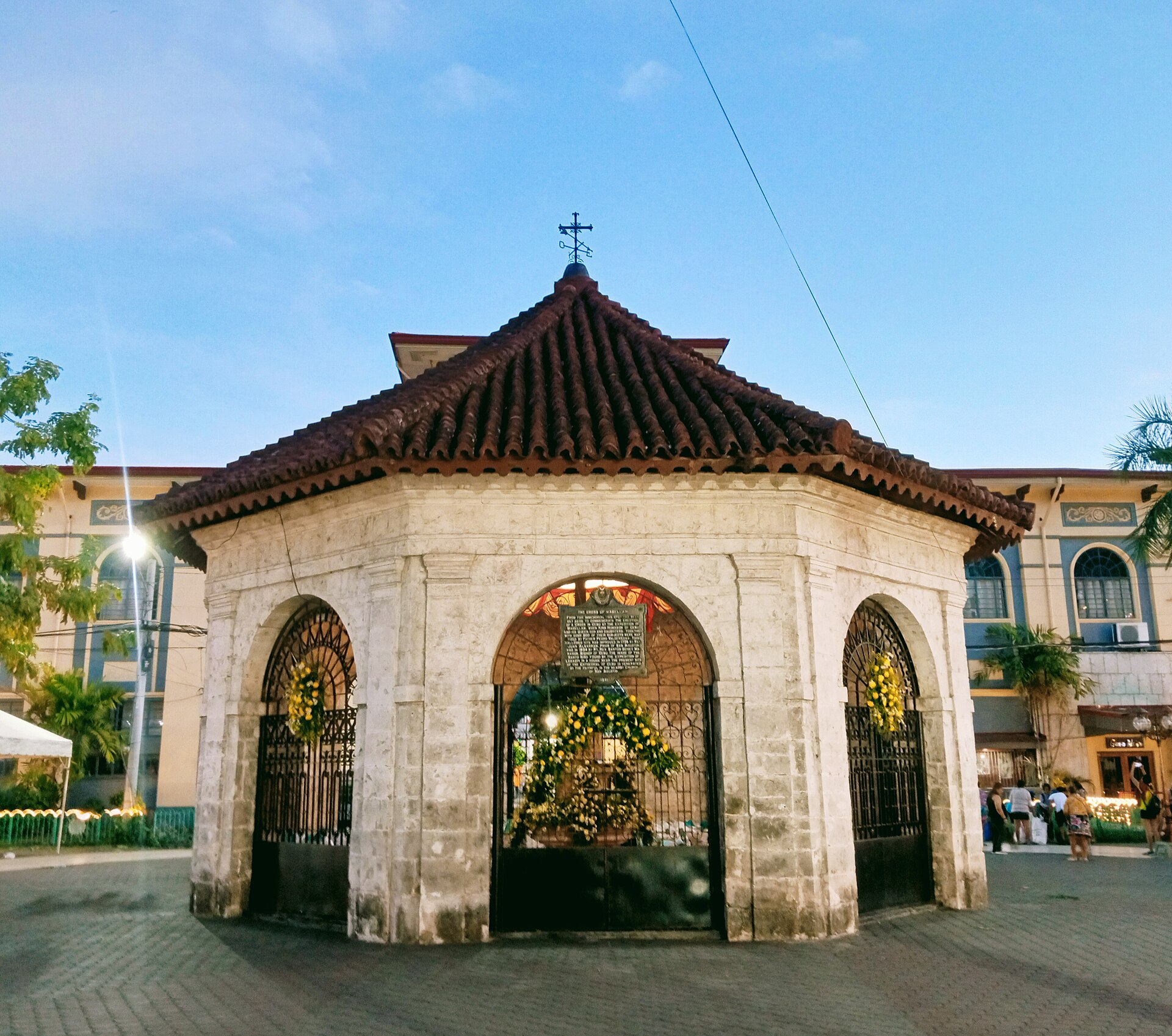
Tap a photo to see it full size. Gallery photos come from Wikimedia Commons; each photographer's credit shows when you open the photo.
Photo: "Magellan's Cross Cebu City" by Elmer B. Domingo, via Wikimedia Commons, licensed under CC BY-SA 4.0.
Last updated October 28, 2026
Use this page
Writing about this trip, or planning one? Copy a link or citation in one tap, or print this page to take with you.
See what gets copied
- Link code
<a href="https://touristbooklet.com/destinations/magellans-cross/">Magellan's Cross - Tourist Booklet</a>- Citation
- Magellan's Cross. Tourist Booklet. Last updated 28 October 2026. https://touristbooklet.com/destinations/magellans-cross/
From Tourist Booklet: https://touristbooklet.com/destinations/magellans-cross/. Last updated 28 October 2026. Prices and times change, so check before you go.