How to ride jeepneys in Cebu
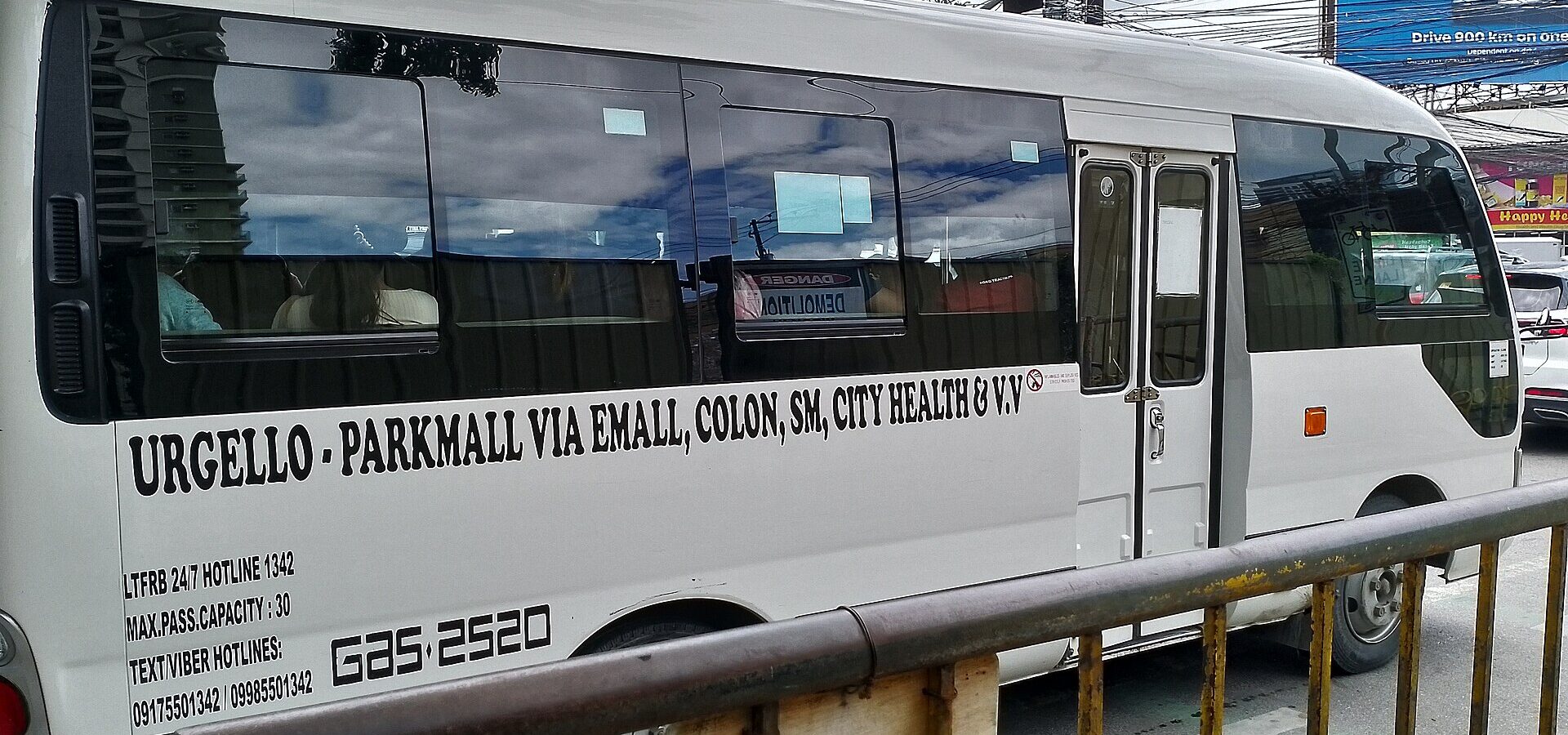
Jeepneys are the cheapest and most local way to get around Cebu City. They are loud, colourful and a little confusing at first, but after one or two rides most visitors love them. This guide shows you how to read the signs, pay, stop the vehicle and avoid the usual mistakes.
For the bigger picture of buses, taxis and boats, see getting around Cebu.
How Cebu jeepney route codes work
Cebu City jeepneys carry a code on the windshield, such as 04L or 01K. The number usually tells you the route family, and the letter tells you the exact line. For example, 04B and 04L both start from the Lahug area but do not follow the same road. Below the code you will often see a sign board with the main landmarks on the route.
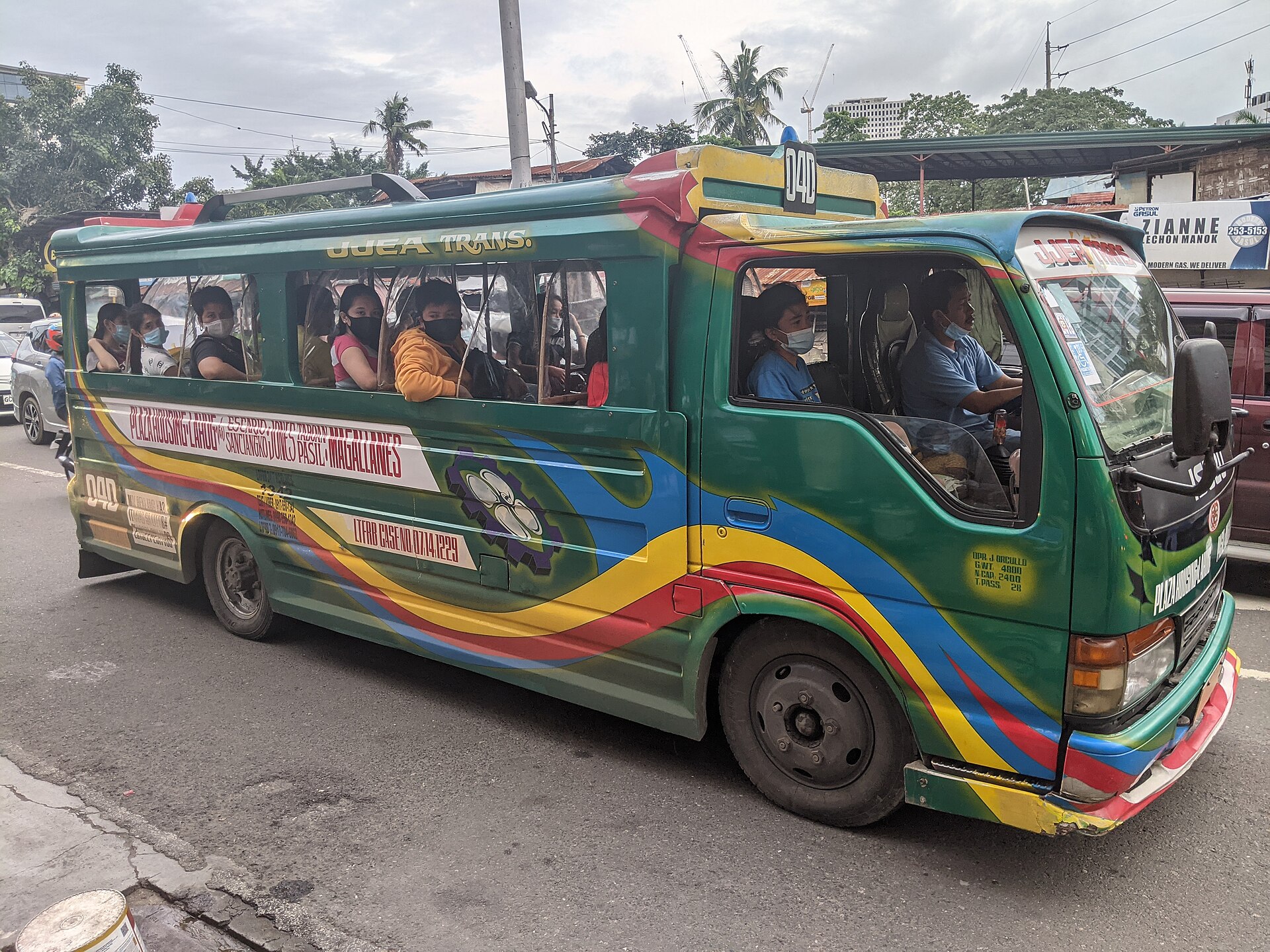

- Read the code first, then the landmarks on the board.
- Ask the driver or the person beside you: "Moagi ba ni sa Ayala?" (Does this pass Ayala?).
- Check the direction. The same code runs both ways, so ask where it is heading.
- Routes and codes change from time to time, so treat any list as a starting point.
Useful routes for visitors
These codes were listed in a 2026 Cebu City jeepney guide. Confirm them with the driver before you sit down.
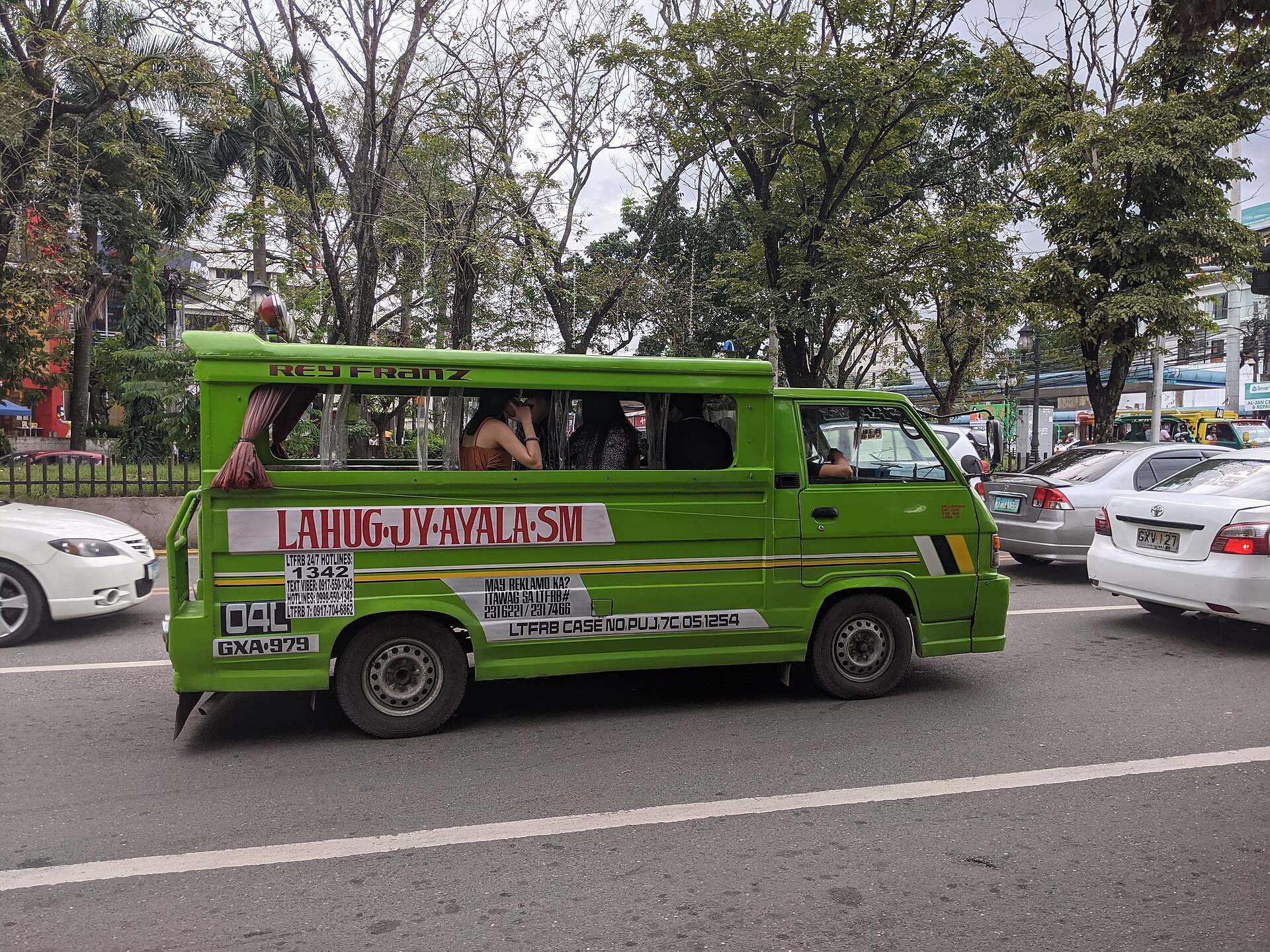

- 01K: Sambag II, Colon and SM City Cebu.
- 04L: JY Square, Lahug and Ayala or SM City Cebu.
- 03Q: Mabolo, Ayala and SM City Cebu.
- 06H: Guadalupe and Ayala or SM City Cebu.
- 04B: Lahug, Capitol and Carbon.
- 17B: Apas (near IT Park) to Carbon.
- 13B and 13C: Talamban to Carbon or Colon.
If you want the old downtown, a ride to Colon or Carbon puts you near Carbon Market and the sights in Cebu City heritage.
What about the airport?
Mactan-Cebu airport is on Mactan Island, away from the city jeepney network, and we did not verify a simple jeepney link from the terminal. With luggage, a taxi or Grab is easier. See Mactan airport to Cebu City and Grab and taxis in Cebu.
How to board and pay
- Stand at the roadside and wave your hand when you see your code. Jeepneys stop almost anywhere, but a busy corner or a loading area is safest.
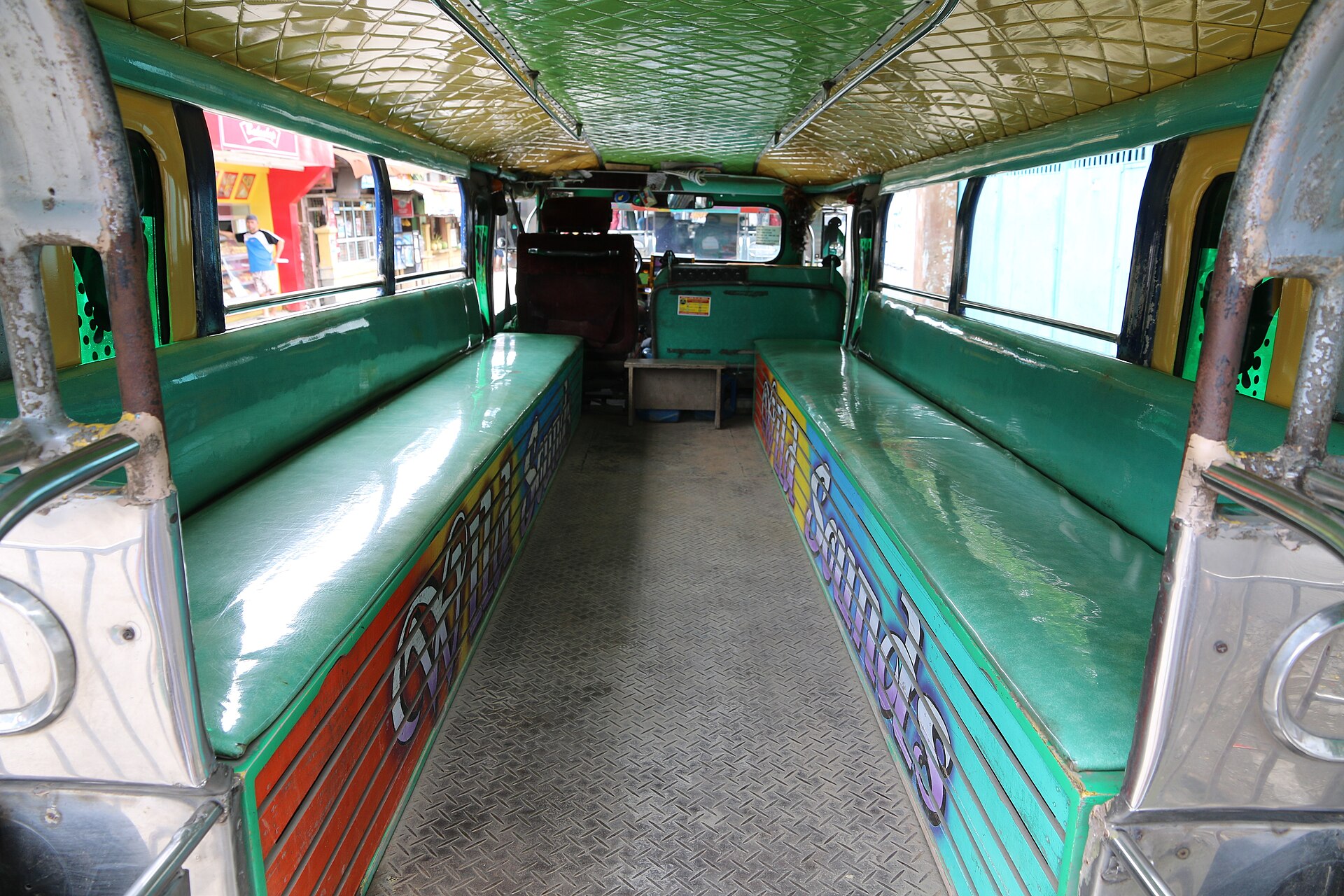
- Board from the back. Move along the bench and sit. If the seats are full, you can hold the handrail, but ask if there is room first.
- Hand your fare to the driver or conductor. If you sit far from the front, say "Palihug i-abot" (please pass it forward) and the passengers will pass your money along.
- Say how far you are going, for example "Ayala, usa" (one to Ayala). Change is passed back the same way.
- Keep small bills and coins ready. Drivers rarely have change for a ₱500 or ₱1,000 note.

Fares (estimates)
- Traditional jeepney: reported in 2026 as about ₱13 for the first 4 km, then roughly ₱1.80 for each extra kilometre. Most city rides cost around ₱13-₱20.
- Modern jeepney: reported at about ₱15 for the starting fare, with air-conditioned units costing a little more per kilometre.
- Students, seniors and people with disabilities are entitled to a 20% discount under Philippine law. Show a valid ID and ask politely. Foreign visitors should not expect the discount unless they hold a local ID.
- Fares are set by the transport regulator and can change, so treat these as estimates. If you are charged much more than other passengers, ask calmly what the fare is.
How to stop: "Para!"
There are no bell buttons in most jeepneys. Say "Para!" (stop) or "Para po!" (the polite form) clearly, a little before your stop. You can also tap a coin on the metal rail, which drivers recognise. Tell the driver the landmark when you board, and watch the road, because the vehicle will not wait.
Modern jeepneys and buses
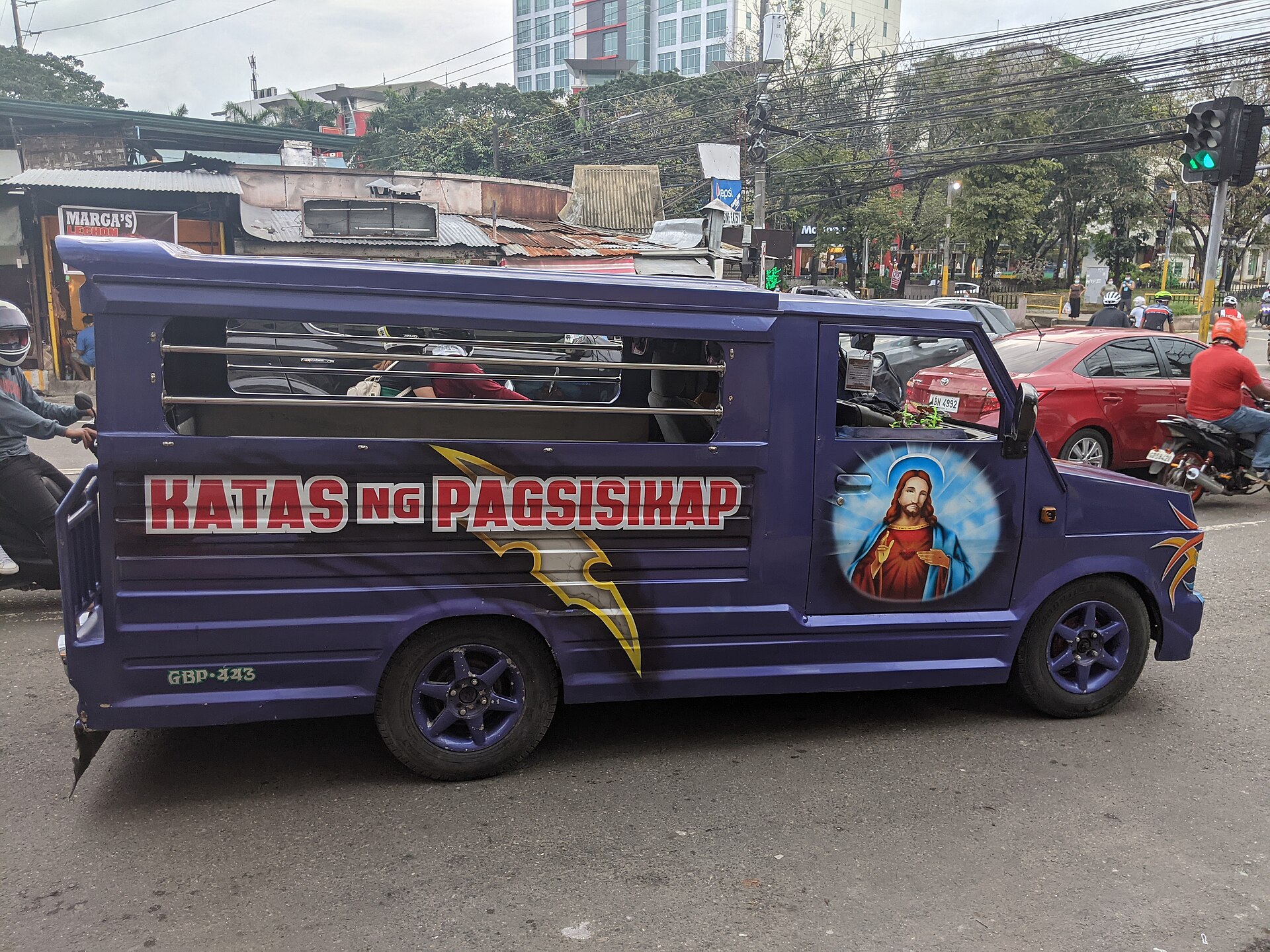
The Philippines is replacing old jeepneys with newer "modern" models that have doors, seats along the sides and sometimes air conditioning. They follow the same routes and payment style, though some are slowly adding cashless payment. Plan to pay cash.

The Cebu Bus Rapid Transit (BRT) began partial operations on 13 March 2026, with buses running on dedicated lanes between Il Curso and IT Park along Osmeña Boulevard. Rides were reported to be free in the first phase, but full operations were expected later, so check current news before you rely on it. Longer trips by bus are covered in Cebu bus terminals.
Safety and manners
- Keep your phone and wallet in a front pocket or a zipped bag. Pickpocketing happens on crowded rides.
- Do not hang your phone out of the window.
- Sit down quickly. Jeepneys pull away fast.
- Offer your seat to older people, pregnant women and parents with children.
- Do not put a large backpack on the seat if others are waiting. Keep it on your lap.
- Read more in staying safe in Cebu.
What to avoid at night
Some corridors run into the evening, but service gets thinner and there is no reliable citywide overnight timetable. Do not plan a late arrival or a late night out around a jeepney.
- Use Grab or a metered taxi after dark, especially if you are alone or carrying luggage.
- Avoid unfamiliar routes at night, when you cannot see landmarks easily.
- Share your plan with someone and keep your phone charged.
Quick checklist
- Read the code and the landmarks, and ask if unsure.
- Carry coins and small bills.
- Pass money forward and wait for the change.
- Say "Para!" early.
- Take Grab at night.
Planning more trips? Read our first-time tips and the Cebu on a budget guide.
Photo: "Modern jeepney in Cebu City (2024-07-19)" by Wide Awake!, via Wikimedia Commons, licensed under CC BY 4.0.

Use this page
Writing about this trip, or planning one? Copy a link or citation in one tap, or print this page to take with you.
See what gets copied
- Link code
<a href="https://touristbooklet.com/how-to-ride-jeepneys-cebu/">How to ride jeepneys in Cebu - Tourist Booklet</a>- Citation
- How to ride jeepneys in Cebu. Tourist Booklet. Last updated 21 October 2026. https://touristbooklet.com/how-to-ride-jeepneys-cebu/
From Tourist Booklet: https://touristbooklet.com/how-to-ride-jeepneys-cebu/. Last updated 21 October 2026. Prices and times change, so check before you go.