Cebu street food guide
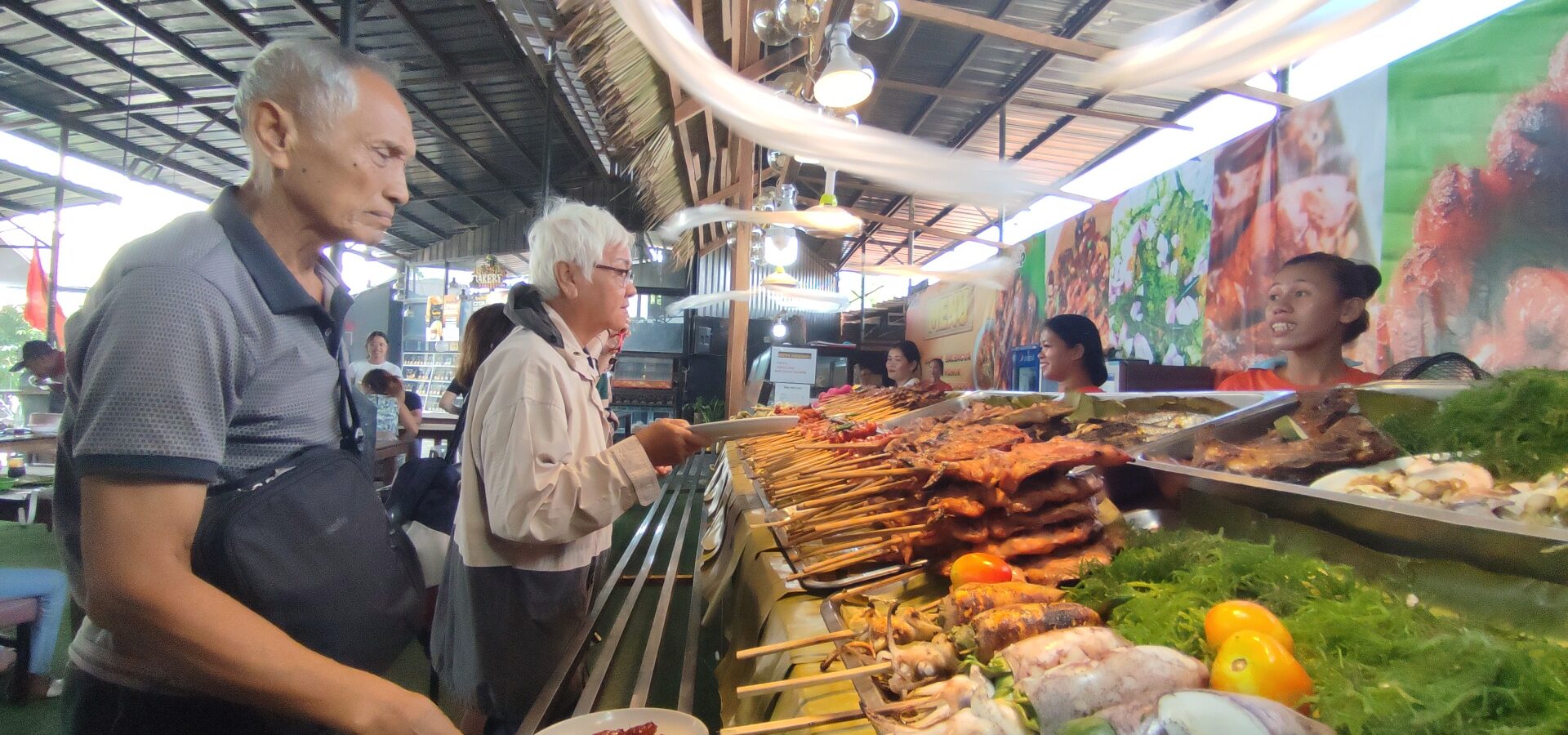
Cebu street food is cheap, smoky, salty-sweet and very social. You eat standing up or on plastic stools, pay in coins and small notes, and leave full for less than the price of a coffee back home. This guide explains what to try, roughly what it costs, where to go, and how to stay well while eating on the street.
Prices below are rough estimates reported in 2025-2026 and vary by stall and location. For restaurant dishes, read what to eat in Cebu.
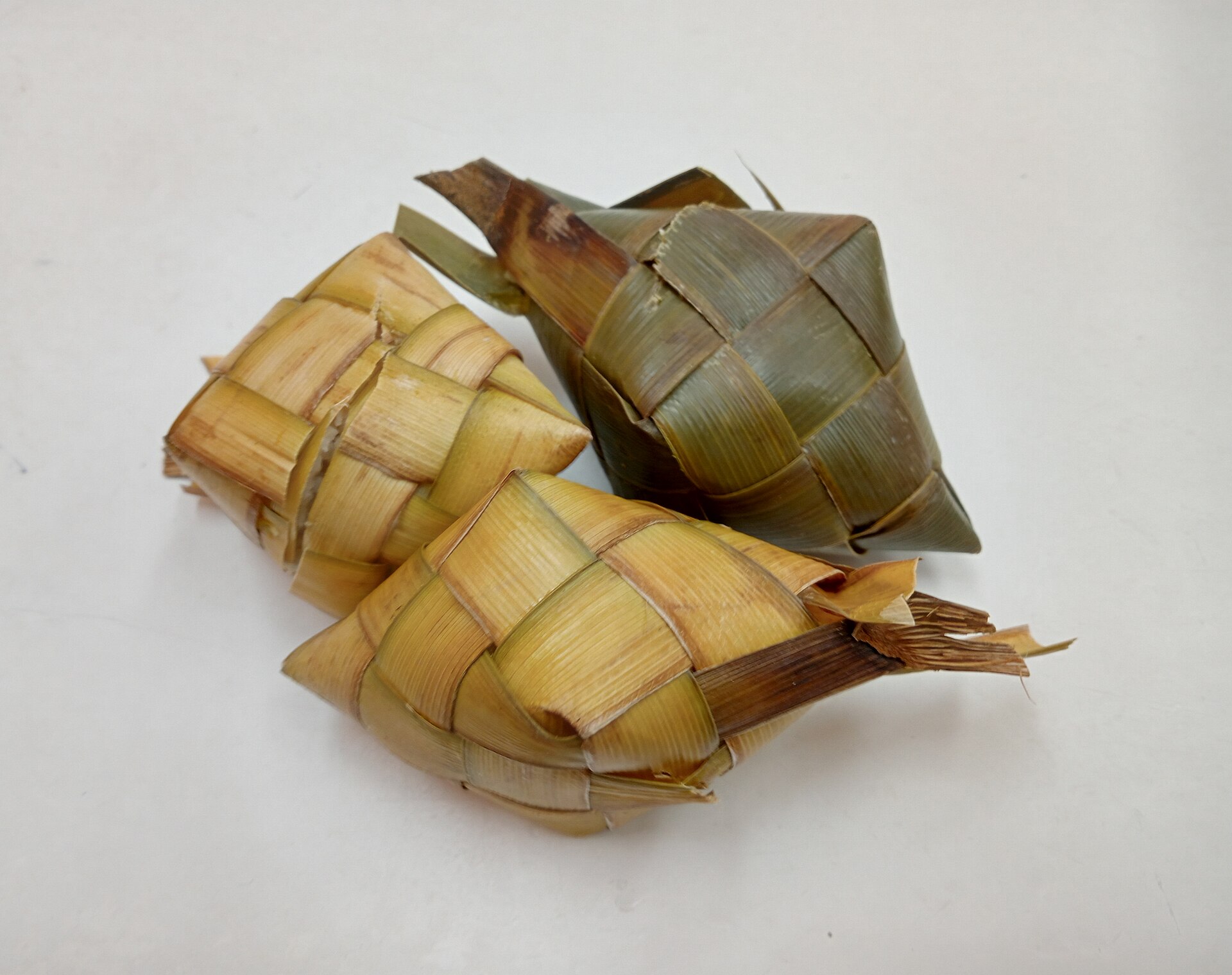
Puso: the famous hanging rice
Puso is rice cooked in a small diamond-shaped pouch woven from coconut leaves. It hangs in bunches at barbecue stalls and is the usual side for grilled meat. You unwrap it, eat the firm rice with your hands or a fork, and use it to mop up sauce. A piece usually costs about ₱5-₱10, and a person often eats two or three. Look for it at any grill in the city.

The must-try list
- Ngohiong: a crisp, five-spice spring roll made with vegetables and sometimes meat, served with a sweet-sour sauce. About ₱10-₱40 each at stalls around Colon and Fuente Osmeña.
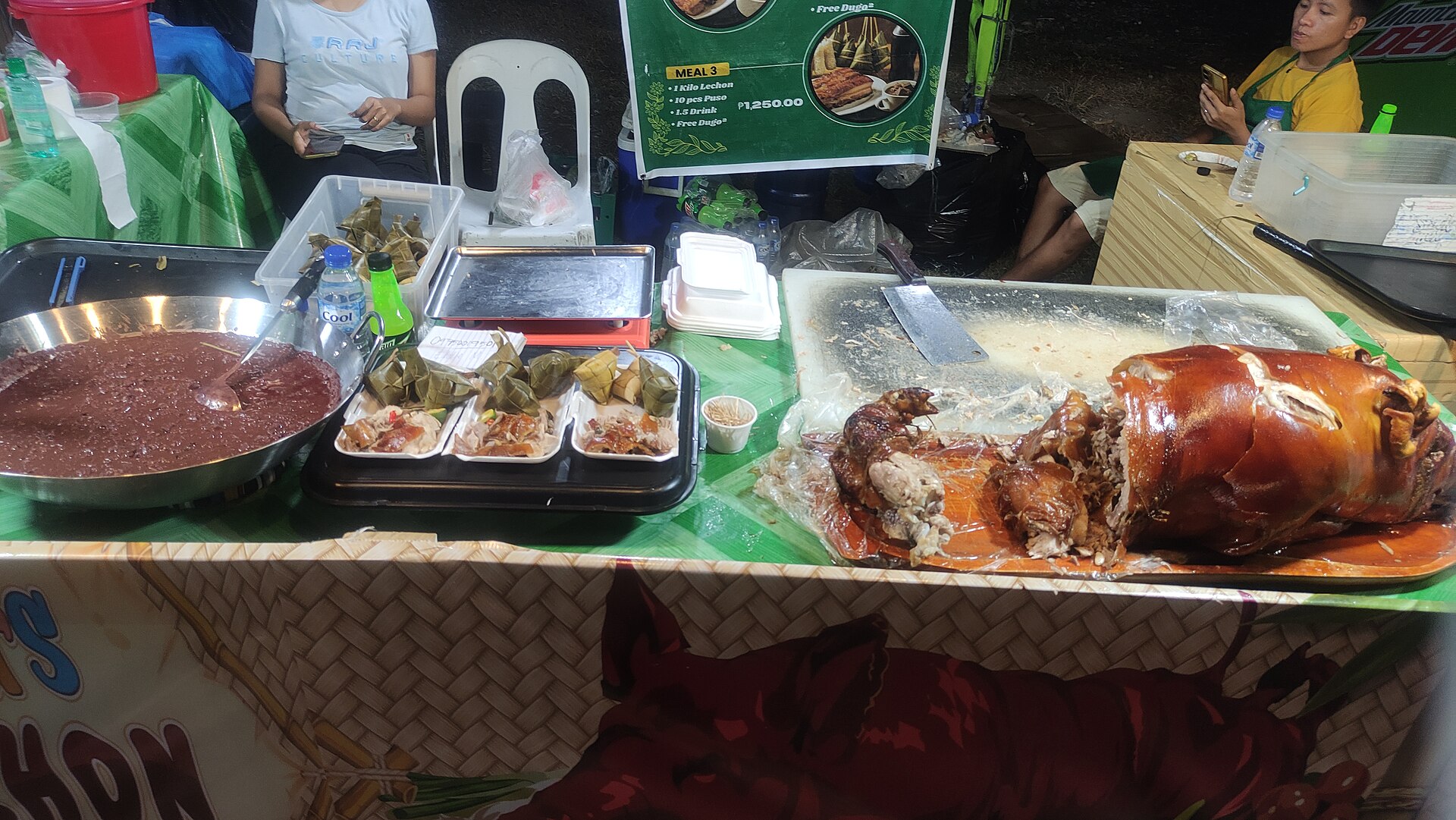
- Lechon belly bites: chopped roast pork belly with crackling skin, sold by weight or in small cups. Roughly ₱100-₱200 for a snack-size portion. For the full lechon story, read our Cebu lechon guide.
- Siomai: steamed pork dumplings with soy-calamansi dip, often sold from roadside steamers. About ₱30-₱60 for a small plate.
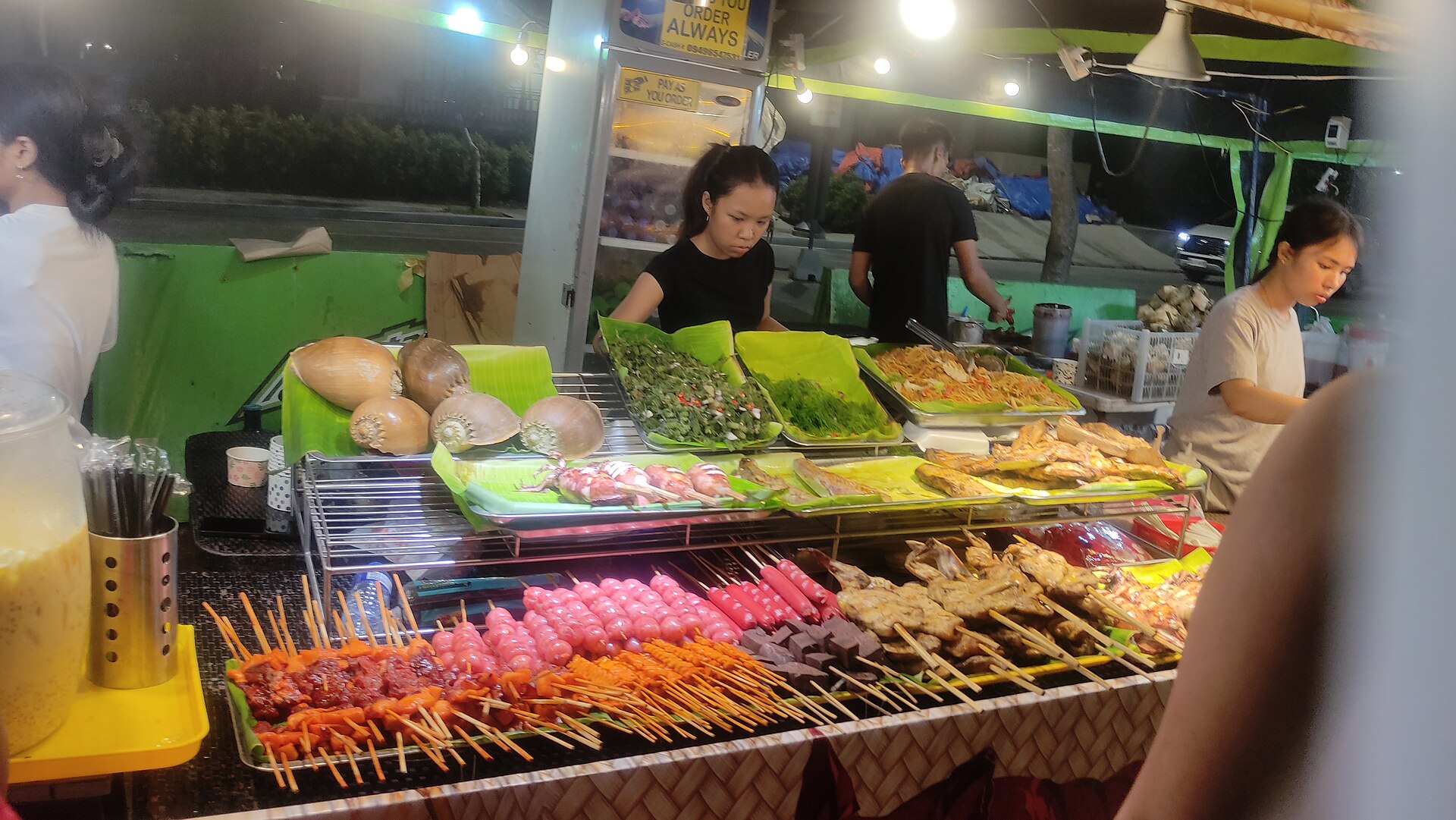
- Barbecue on sticks: pork, chicken, sausage, liver and skin. Most sticks cost about ₱10-₱50. Vendors grill them over charcoal and brush them with a sweet marinade.
- Ginabot: deep-fried pork intestines. Crunchy and salty, usually ₱10-₱30. Skip it if you prefer mild flavours.
- Tempura and kwek-kwek: fish cake and battered quail eggs on sticks with sweet or spicy sauce. About ₱5-₱20 each.
- Fresh buko: young coconut hacked open in front of you. Drink the water, then ask for a spoon to scrape the soft flesh. Usually about ₱30-₱70.


Sweet snacks
- Bibingka and puto: soft rice cakes, often served warm.
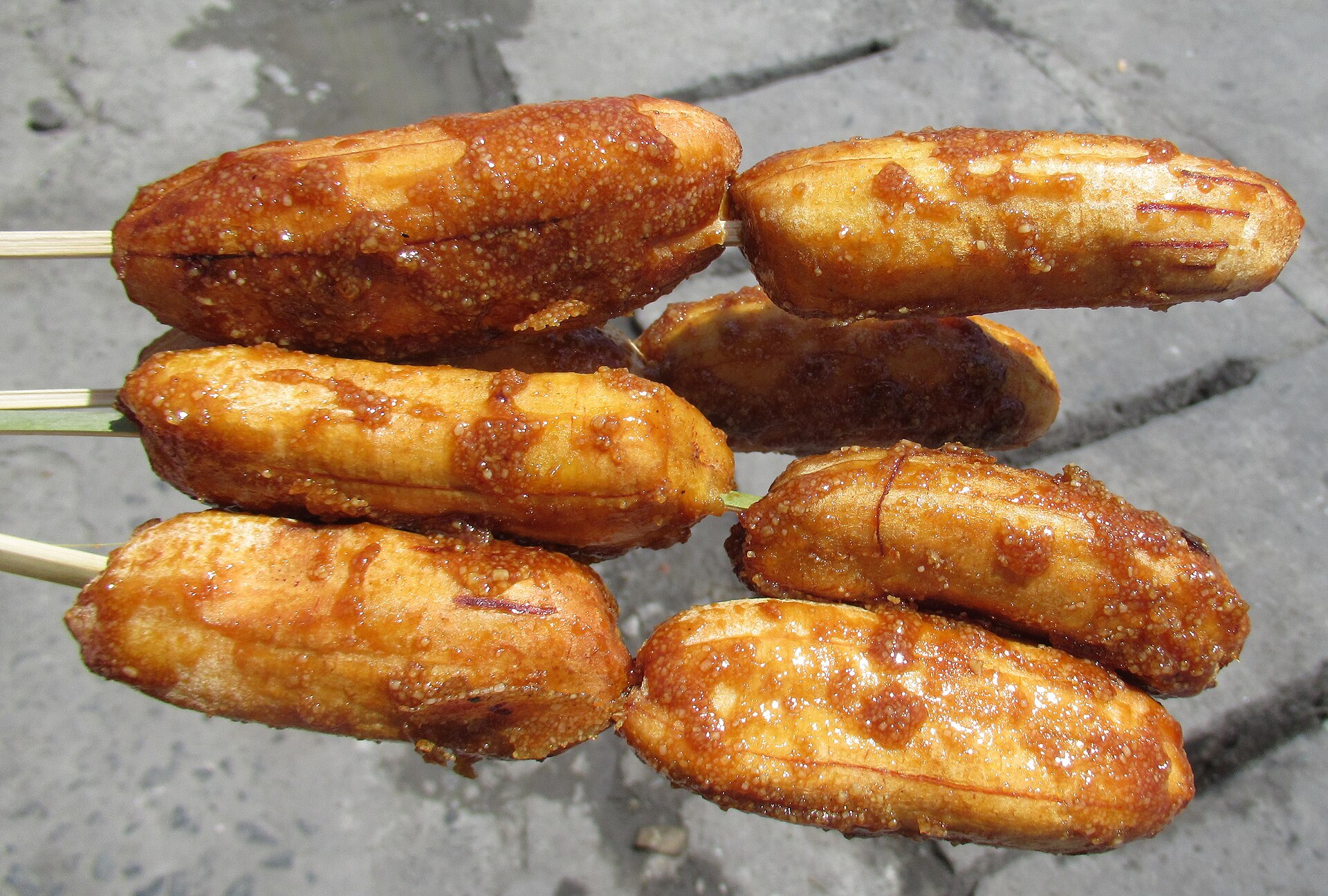
- Turon: fried banana in a thin wrapper with caramelised sugar.
- Banana cue: deep-fried bananas coated in brown sugar on a stick.
- Halo-halo and sago't gulaman: cold treats for hot afternoons.
- Dried mango and pastillas: sweet gifts that also work as snacks. See our pasalubong guide for more.
Most sweet snacks cost about ₱10-₱40. A good rule is to buy them freshly cooked from a busy vendor.

A word on balut
Balut is a boiled duck egg with a partly developed embryo, eaten with salt or vinegar. Filipinos love it, and sellers walk the streets at night with a call of "baluuut". It is fine to skip it. If you want to try it, buy it hot and fresh from a busy seller, never eat one that is cool, cracked or has a bad smell, and avoid it if you are pregnant or have a sensitive stomach. Expect to pay around ₱20-₱40.
Where to eat
- Larsian, Fuente Osmeña: a famous barbecue area where you choose your meat from many stalls, pay by the stick and sit at shared tables. It opens in the late afternoon and gets busy from around 6 pm to 9 pm. Most people spend about ₱150-₱300. Cash is usual.
- Colon Street: the oldest street in the country, with snack stalls at night. See the Cebu City heritage guide.
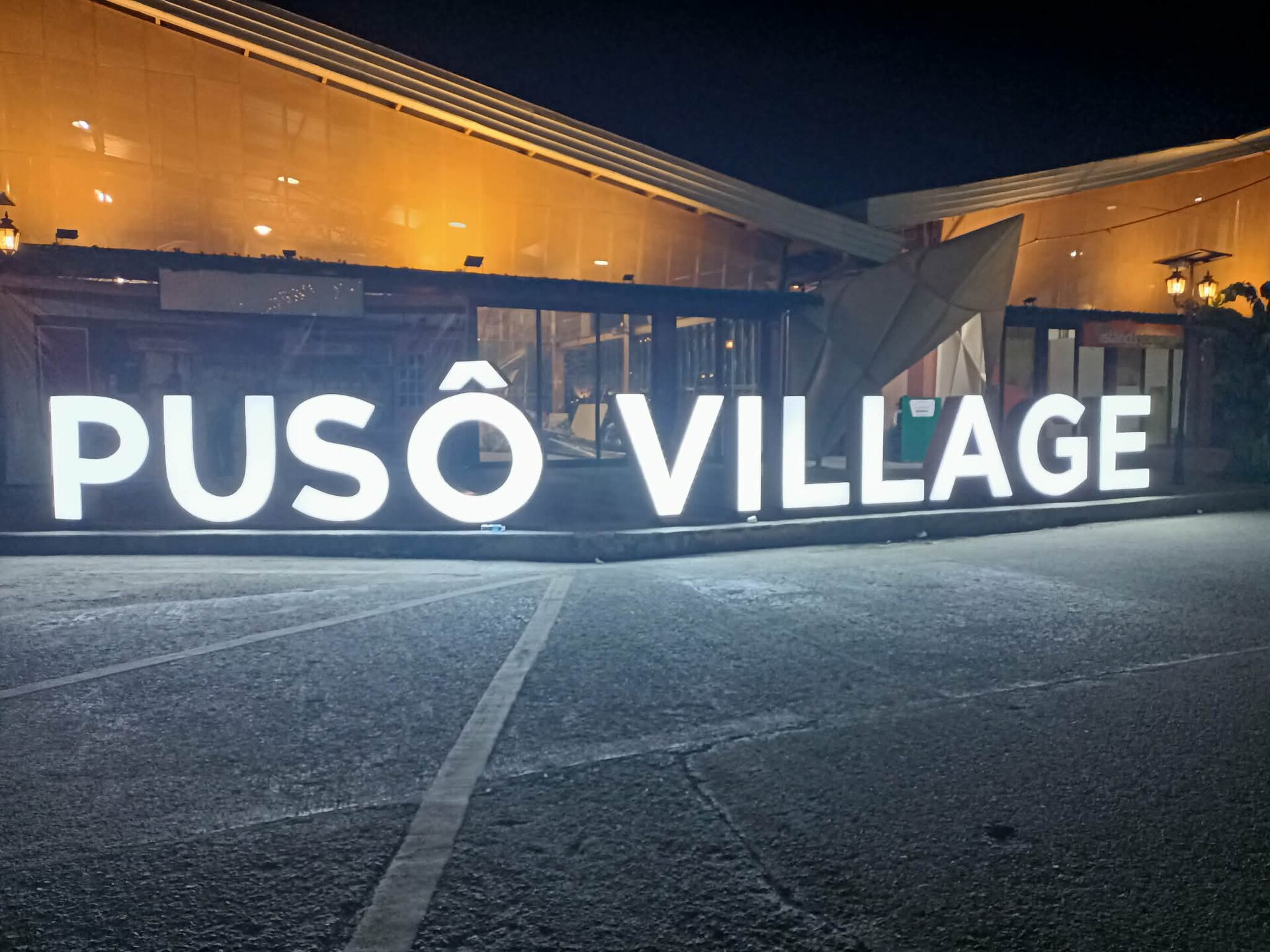
- Carbon Market and Pusô Village: a lively market area with grilled fish and puso stalls at night. Go with a friend and keep your bag in front of you. Our Carbon Market guide has details.
- Sugbo Mercado: a more relaxed weekend food market with a mix of street-style and gourmet stalls, if you prefer comfort.
- Mactan: grilled seafood and the sutukil style around Lapu-Lapu. See Lapu-Lapu sutukil.

Sample budget
- A light snack: about ₱50-₱100 for ngohiong, a drink and puso.
- A barbecue dinner: about ₱150-₱300 for several sticks, puso and a drink.
- A big food crawl: about ₱400-₱600 if you add lechon, seafood and a sweet treat.
- Read how to travel Cebu on a budget for more cost ideas.
Food-safety sense
Most visitors eat on the street without problems. A few habits help a lot.
- Choose busy stalls where food is cooked in front of you and sold quickly.
- Eat food that is hot and freshly cooked. Avoid anything that has been sitting out in the sun or has flies around it.
- Be careful with raw seafood, ice of unknown origin and cut fruit from a cart.
- Drink bottled water or sealed drinks. Fresh buko from a sealed coconut is usually a safe choice.
- Wash your hands or use sanitiser before you eat, and carry tissues, because many stalls have no tap.
- Start with mild dishes if your stomach is not used to spices or oily food, and carry rehydration salts and basic medicine.
- If you have allergies, learn the words for your allergen in Cebuano. See our Cebuano phrases.
Etiquette and tips
- Carry small notes and coins. Vendors often cannot change ₱500 or ₱1,000.
- Ask the price before you order if there is no sign.
- Hold your skewer over the plate or tray, and put used sticks where the vendor asks. Some stalls count sticks to work out your bill.
- Do not litter. Put sticks, leaves and wrappers in a bin.
- Watch your phone and wallet in crowded areas.
Planning a full eating day? Pair this with the Cebu lechon guide and what to eat in Cebu, and bring something home with our pasalubong guide.
Photo: "Larsian Barbeque" by LadyPinayForever, via Wikimedia Commons, licensed under CC0.

Use this page
Writing about this trip, or planning one? Copy a link or citation in one tap, or print this page to take with you.
See what gets copied
- Link code
<a href="https://touristbooklet.com/cebu-street-food-guide/">Cebu street food guide - Tourist Booklet</a>- Citation
- Cebu street food guide. Tourist Booklet. Last updated 21 October 2026. https://touristbooklet.com/cebu-street-food-guide/
From Tourist Booklet: https://touristbooklet.com/cebu-street-food-guide/. Last updated 21 October 2026. Prices and times change, so check before you go.