Cebu lechon: a guide to the island's famous roast pig
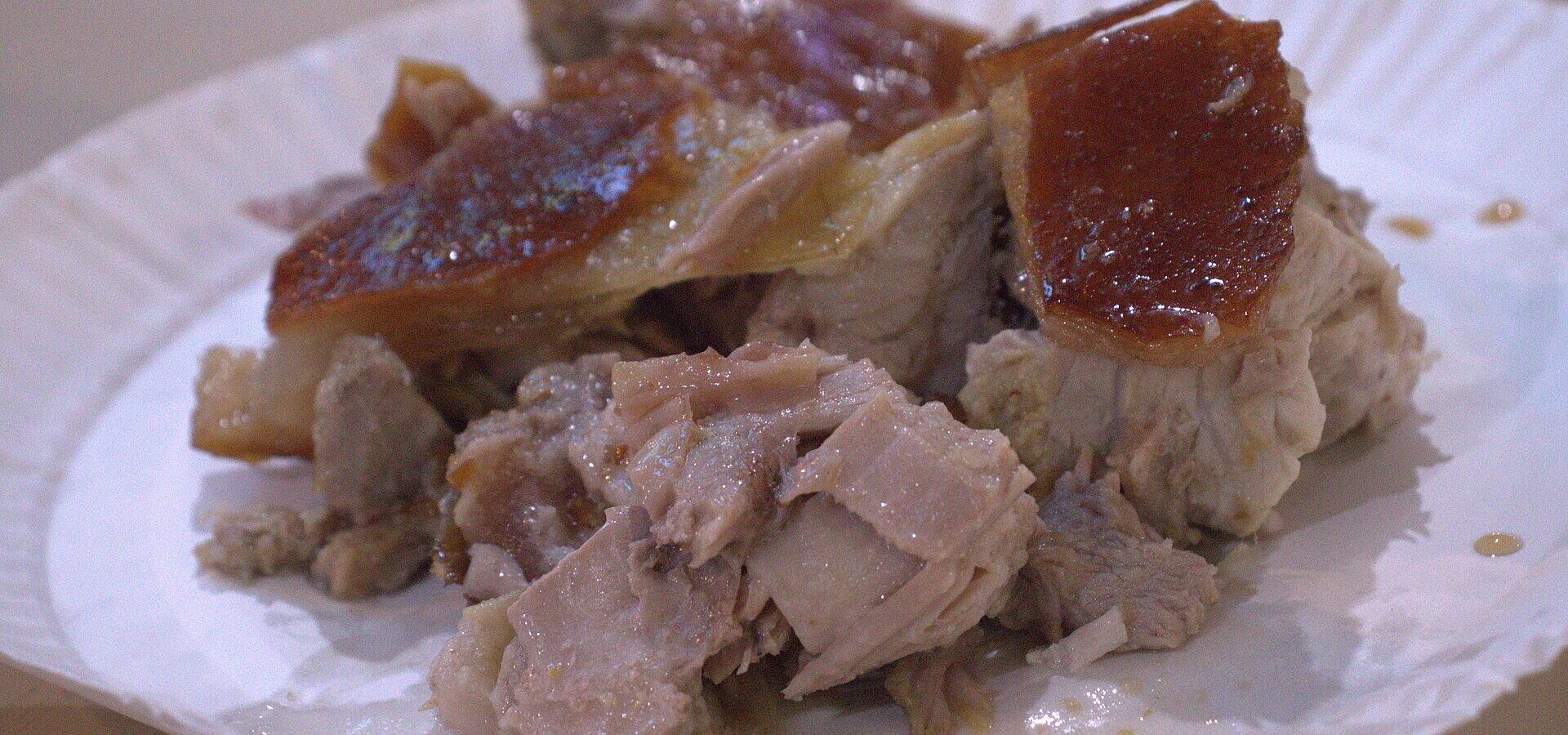
Ask anyone in the Philippines where to eat the best lechon and many will say Cebu. This whole roast pig, with its crackling skin and juicy, herb-filled meat, is the star of every fiesta, wedding and Christmas table on the island. The late chef and TV host Anthony Bourdain helped make it famous abroad when he called it "the best pig ever" on his show No Reservations in 2009.
What makes Cebu lechon special?
Lechon is cooked all over the Philippines, but the Cebu version stands out for one reason: the flavour is inside the pig.
- The stuffing: the belly is filled with aromatics before roasting. Depending on the cook, this can include lemongrass, garlic, spring onions, salt, pepper, bay leaves and sometimes star anise. Every lechonero has their own mix.
- The roasting: the pig is skewered on a long bamboo pole and turned slowly over hot charcoal for hours, so it cooks evenly.
- The skin: it is brushed during cooking and turns a deep golden red, thin and so crisp it cracks like glass.
- No sauce needed: in Luzon, lechon is usually served with a liver sauce. Cebu lechon is seasoned so well that most people eat it plain, or with a little spiced vinegar.
Where does it come from?
Two places near Cebu City are especially famous for lechon:
- Talisay City, just south of Cebu City, is often called the home of Cebu lechon. Locals say Talisay's lechoneros were roasting pigs this way by around the 1920s, when it was known as inasal, from a word for cooking over live coals.
- Carcar, further south, is just as proud of its lechon. Lechon stalls in town are busy every day, and it is an easy stop on the way to or from the south.
Today you will find lechon all over Cebu, from market stalls and roadside shops to restaurants and the airport.
How lechon is eaten
- At stalls and shops, lechon is sold by weight. Ask for a quarter or half kilo per person and it will be chopped for you.
- Ask for a mix of skin and meat. Some places add a piece of the flavourful stuffing too.
- Eat it with puso (hanging rice) or plain rice, and a dip of vinegar with chilli and onion.
- At parties, the whole pig is brought to the table and the skin goes first. Everyone wants the crispy pieces.
- Leftovers are often cooked into lechon paksiw, a stew with vinegar, the next day.
Tips for buying lechon
- Go early. The best stalls start selling in the morning and popular ones can sell out by early afternoon.
- The skin is crispiest when the pig is fresh off the fire. It softens after a few hours, especially in a closed box.
- Ask the price per kilo before they chop. Prices vary by shop and season.
- For a group, you can order a whole pig or a half pig in advance. Ask your hotel or a local shop.
- Taking some home? Many shops pack lechon in sealed boxes for travel. Check with your airline about carrying food, and eat it soon.
- Lechon is in high demand around Christmas, New Year and town fiestas. Order ahead for those dates.
Lechon and celebrations
In Cebu, a whole lechon is a sign that something important is happening. It appears at birthdays, weddings, graduations and baptisms, and above all at town fiestas, when families open their homes and feed guests all day. If you are invited to a fiesta, say yes: it is one of the warmest experiences you can have in Cebu. Bring a small gift, try a little of everything, and do not be surprised when your host keeps filling your plate.
Eat mindfully
Lechon is rich, salty and fatty, which is exactly why it tastes so good. Enjoy it with plenty of water and some fruit or vegetables on the side, especially in the heat. If you do not eat pork, Cebu has plenty of seafood dishes too. See what to eat in Cebu.
Plan a lechon stop
The easiest plan is to stop in Talisay or Carcar for an early lunch when you travel south by bus or car to Moalboal, Kawasan Falls or Oslob. Carcar also has old houses and a historic church worth a short walk. Add it to your 5-day Cebu itinerary.
Photo: "The Barracks Lechon 2" by QueenCityCebu, via Wikimedia Commons, released into the public domain (CC0).
