Apo Island
A tiny volcanic island off southern Negros with one of the Philippines' most famous community-run marine sanctuaries. Snorkel with green sea turtles over healthy coral, the respectful way.
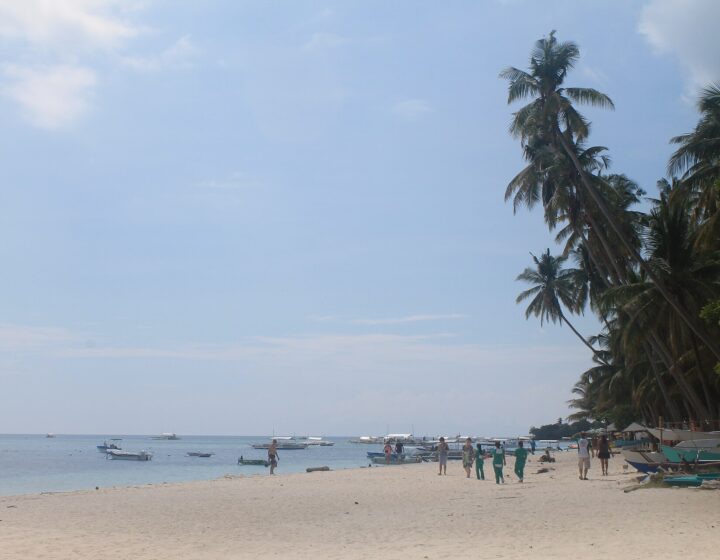
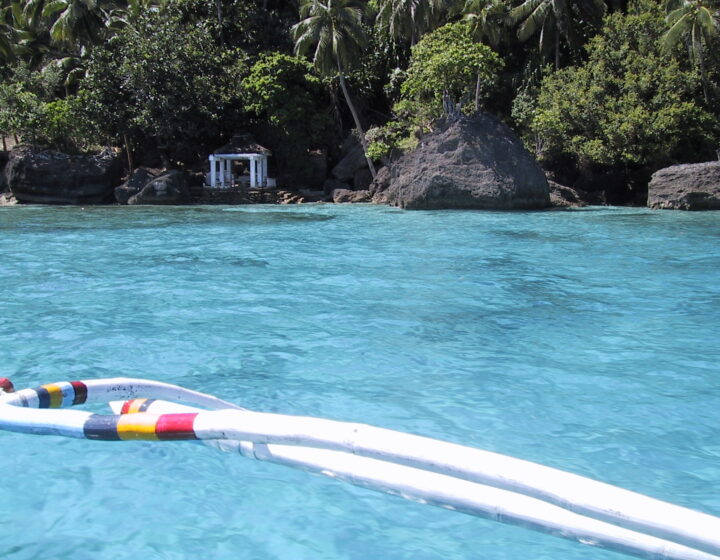
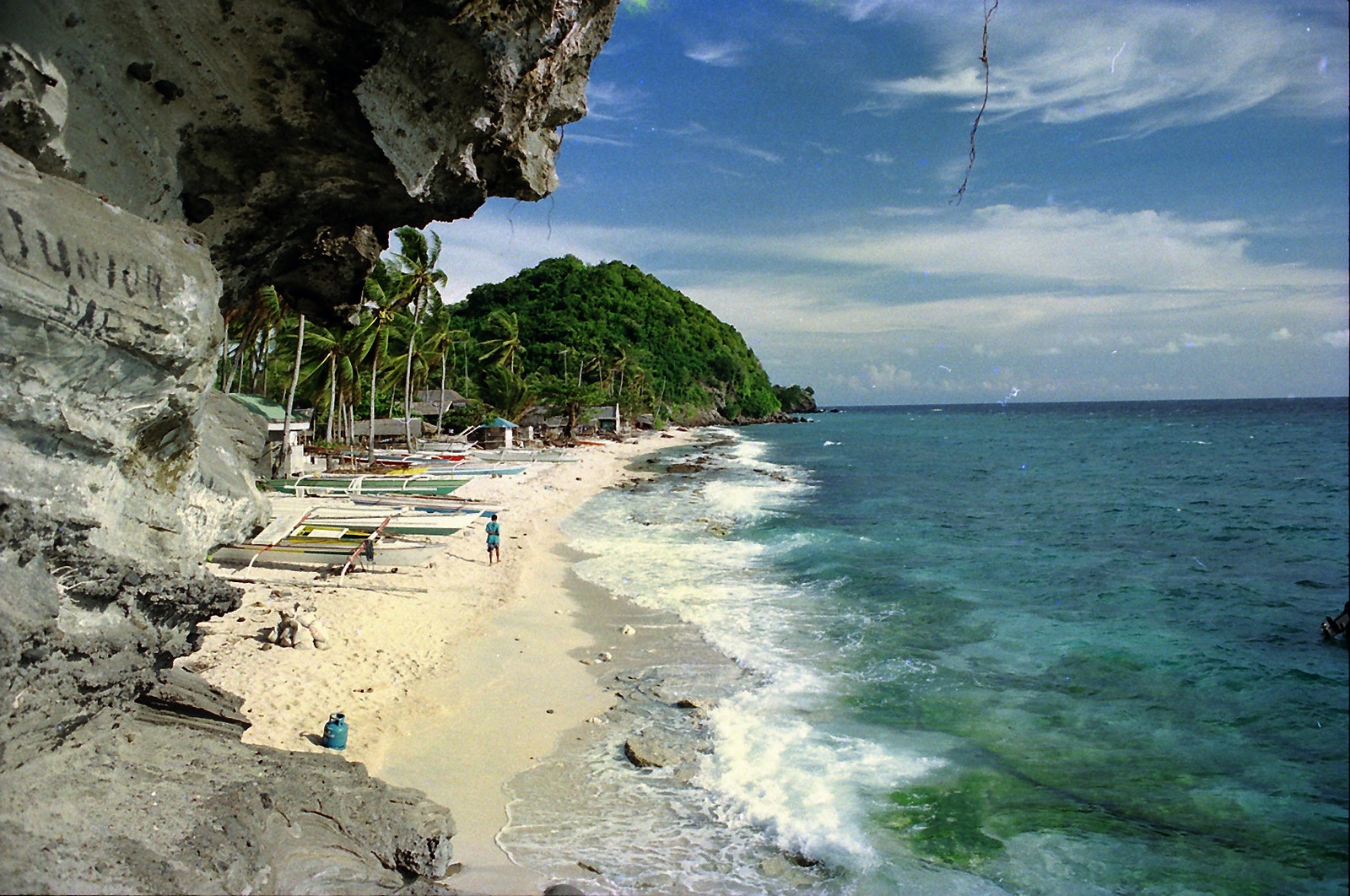
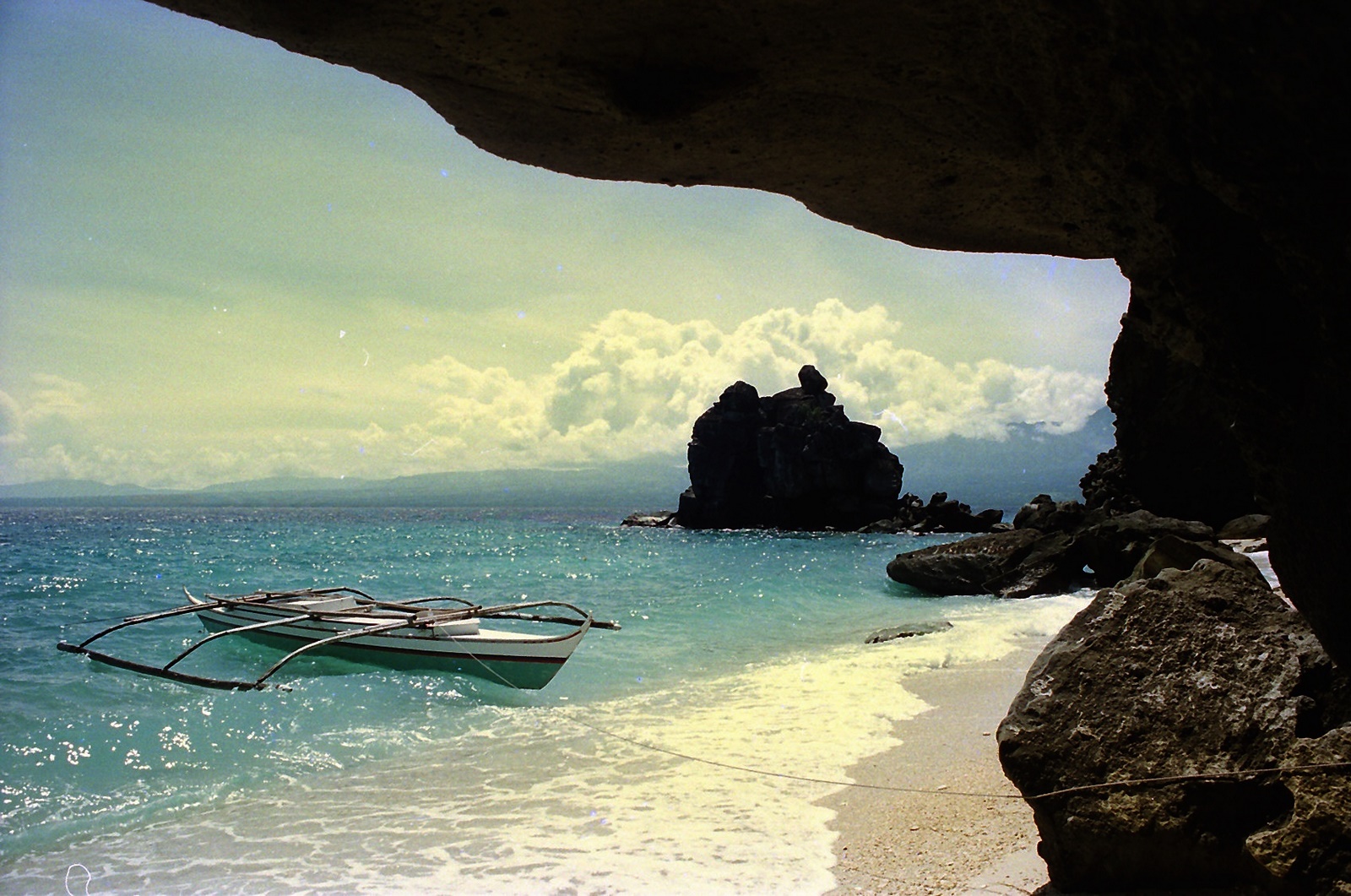
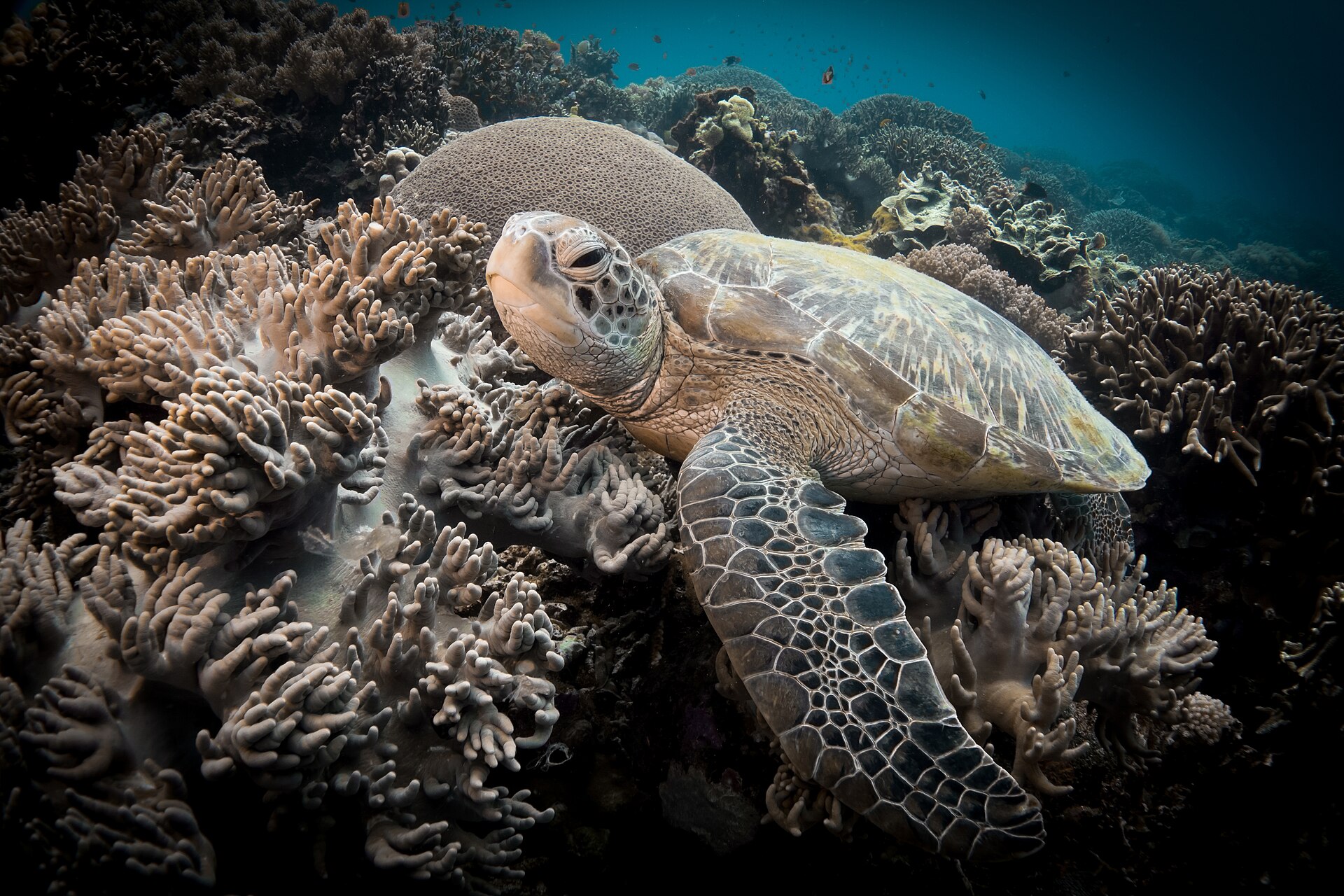
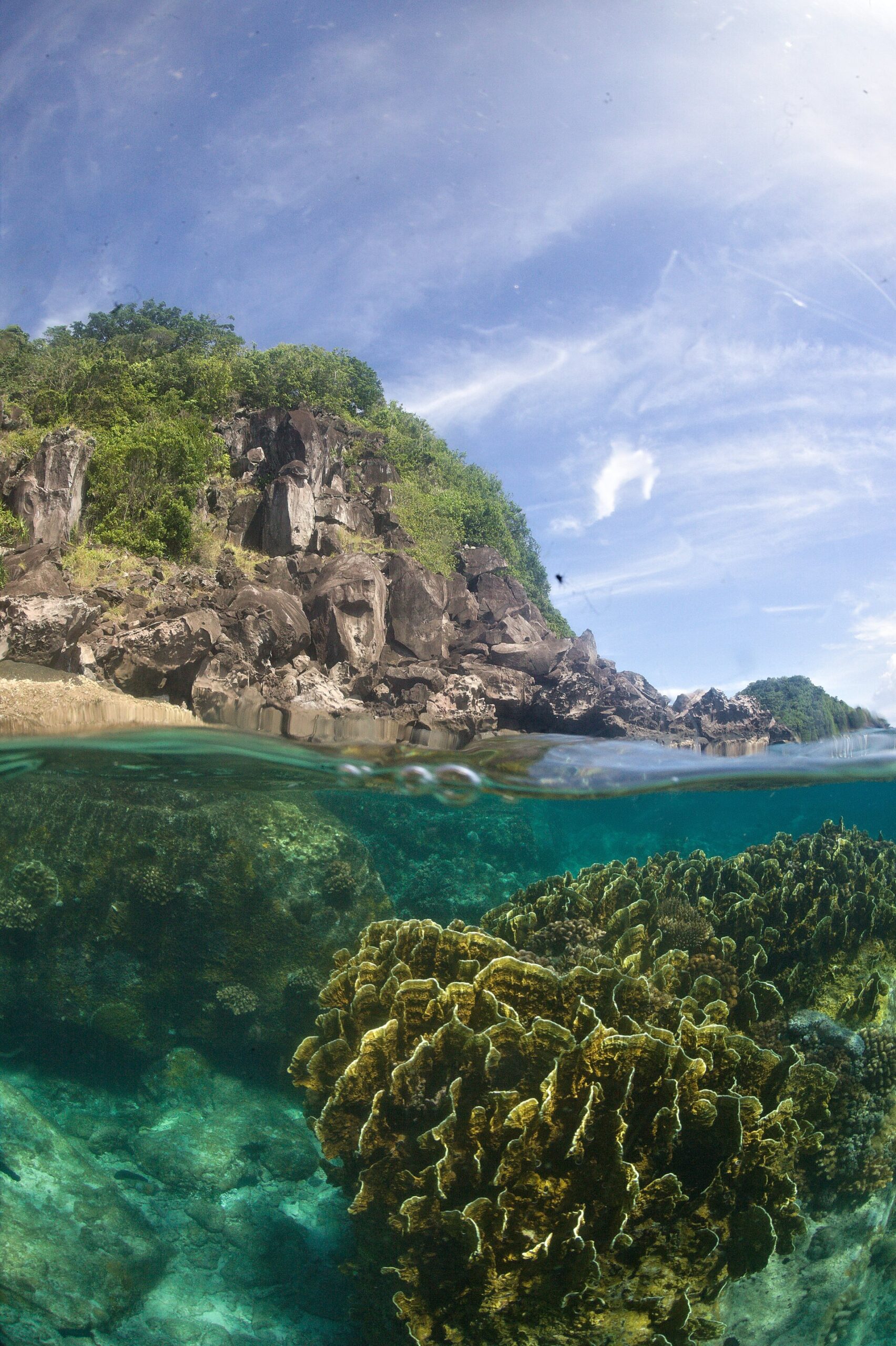
Apo Island is a small volcanic island about 7 km off the southeastern tip of Negros, part of the town of Dauin, Negros Oriental. It has no cars and no big resorts, but it is famous for what lies under the water: healthy coral, schools of fish and green sea turtles grazing in the shallows near the beach. It is also a famous example of a community protecting its own sea.
Why go to Apo Island
- Snorkelling with sea turtles in clear, shallow water, with a local guide.
- Some of the healthiest coral reefs in the Philippines, loved by divers for decades.
- A community-run marine sanctuary that has inspired marine protected areas across the country.
- A quiet island village, a hilltop lighthouse viewpoint and simple overnight stays.
A sanctuary made by the community
In the late 1970s and early 1980s, scientists from Silliman University in Dumaguete, led by marine biologist Dr. Angel Alcala, worked with Apo's fishing families to set aside part of the reef as a no-fishing zone. The community agreed in 1982, and the fish slowly came back. In 1994 the island and its waters were declared the Apo Island Protected Landscape and Seascape. Today a Protected Area Management Board with the local government and the community runs it, and visitor fees help pay for rangers and upkeep.
This is why there are rules, fees and guides here. Some zones are strictly no-take, and some areas are closed or open only with a guide, depending on the reef's condition. Follow the signs, the buoys and the rangers.
Things to do on Apo Island
Snorkel with the turtles
The best-known spot is the shallow seagrass and coral area off the main beach, where green turtles feed. A local snorkel guide is required in the turtle area, and the guides are part of a community association, so your fee goes straight back to the island. Guides may ask you to snorkel without fins in the shallowest part so nobody kicks the coral or stirs up sand. Float quietly, keep your distance and let the turtles come and go.
Go diving
Apo has many dive sites, with walls, coral gardens and big schools of fish. Most divers come on a day trip with a dive shop in Dauin or Dumaguete, which handles the boat, fees and guides. There is a daily limit on divers and gloves are not allowed, so book ahead. Currents can be strong on some sites.
Climb to the lighthouse
From the village, a path with steps climbs the hill to the lighthouse and nearby viewpoints. It is short but steep, so allow about 20-30 minutes up. From the top you look over the reefs, the village beach and across the water to the mountains of Negros. Go early in the morning or late in the afternoon, when it is cooler.
Slow down in the village
Walk the paths between houses, see the little church and school, and look out for T-shirts and small souvenirs sold by villagers. Be polite and ask before you take photos of people.
Where is Apo Island?
Dauin, Negros Oriental
Directions open in Google Maps, starting from where you are. Its travel times are estimates, and ferries and island boats may not be included.
Getting there from Cebu
- By bus and ferry (cheapest). Take a south-bound bus from the Cebu South Bus Terminal to Liloan port in Santander, at the southern tip of Cebu. Allow about 3.5-4.5 hours (estimate, 2025-2026). Some direct buses to Dumaguete include the ferry in the ticket.
- Cross from Liloan to Sibulan on Negros. The roll-on ferry takes about 30 minutes and runs several times a day; the passenger fare was about ₱130 in 2025-2026 (estimate). See our Santander guide for the port.
- From Sibulan, take a tricycle or jeepney to Dumaguete (about 20-30 minutes), then a south-bound bus or jeepney to Malatapay in Zamboanguita, about 45 minutes to 1 hour. Or go straight to your resort in Dauin.
- By air (fastest). Fly from Mactan-Cebu to Dumaguete (Sibulan airport). Flights take about 50 minutes; check the airline for days and times. From the airport it is about 1-1.5 hours by road to Malatapay.
- By sea. There are also ferries from Cebu City to Dumaguete, including fast craft and overnight boats. Times vary by route, roughly 4-6 hours, so check the operators before you go.
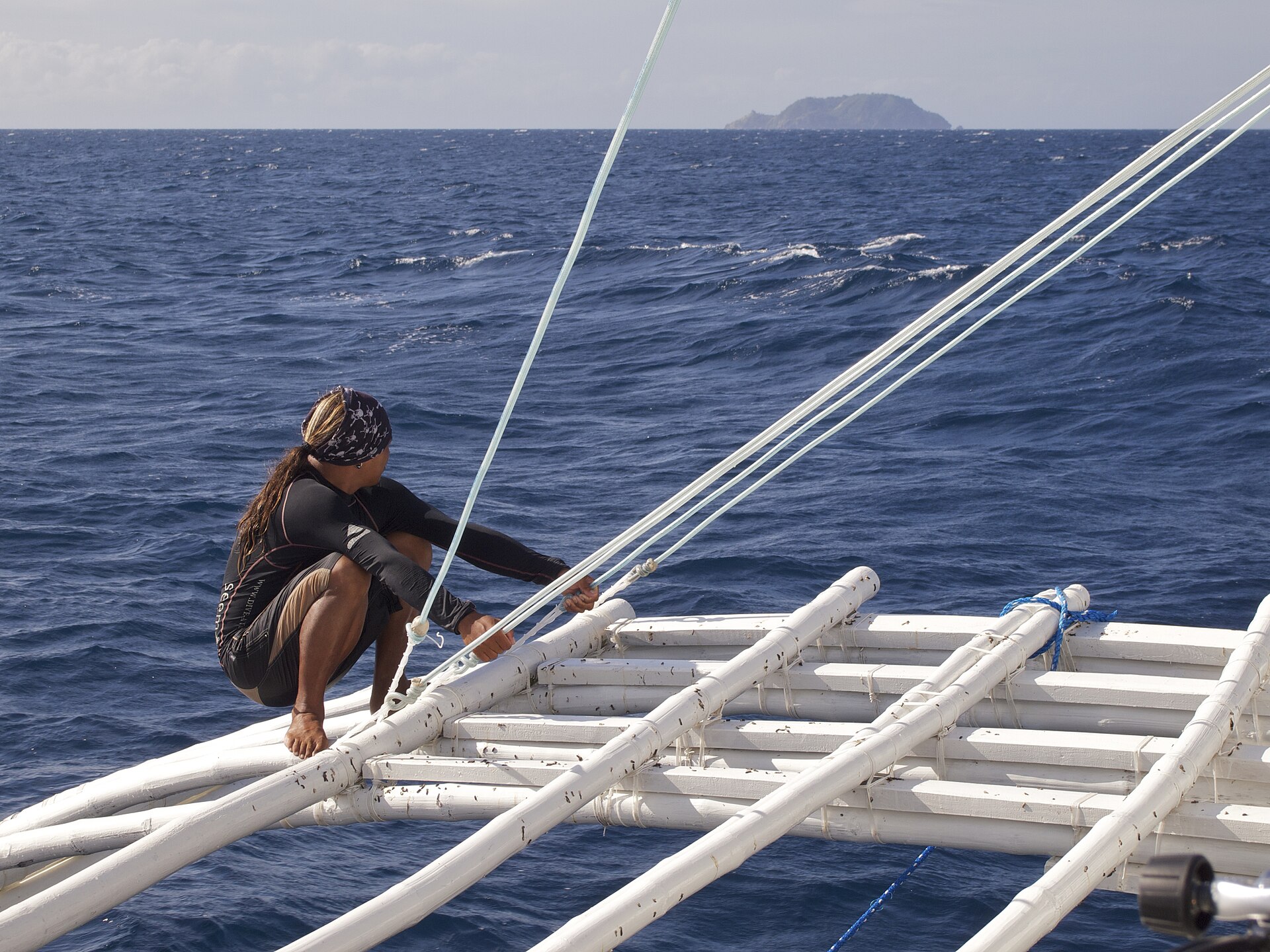
- From Malatapay, take a boat to Apo Island. The crossing takes about 30-45 minutes. Many divers and snorkellers go instead on a tour boat from a Dauin resort.
Already in the south of Cebu? Liloan port is only a short ride from Oslob, so you can combine the trip with our Moalboal to Oslob route. Boats to Apo do not sail in rough weather, so keep a spare day.
Boats, fees and the day trip
At Malatapay you can hire a private boat for your group, which travel sources put at roughly ₱3,000-₱5,000 return depending on group size (2025-2026 estimate), or ask about a shared boat, which may only leave when it is full. On the island you pay an entrance or environmental fee, reported in 2025-2026 as about ₱100 for Filipinos and ₱300 for foreign visitors, plus a snorkelling fee, a guide fee per group and gear rental if you need it. Amounts change, so check on arrival and keep your receipts. Bring cash: there is no ATM on the island.
A day trip is easy: leave Dumaguete or Dauin early, snorkel in the morning when the water is calmer, have lunch and climb to the lighthouse, then head back by mid-afternoon. An overnight stay lets you snorkel before the day boats arrive and see the island go quiet in the evening.
Getting around
There are no cars. You walk everywhere on paths and steps, and reach other reefs by boat with your guide or dive shop.
Where to stay and eat
On the island there are a few simple lodges and homestays near the village beach. Rooms are basic and electricity can be limited, so bring a power bank and a torch. Small eateries serve rice meals and fresh fish. For more comfort, stay in Dauin, with its dive resorts along the coast, or in the friendly university city of Dumaguete, and visit Apo on a day trip.
When to go
The seas are usually calmest from about March to June. From December to February the northeast monsoon can make the crossing choppy, and from about June to November typhoons and heavy rain can cancel boats. Weekdays are quieter, and mornings are best for snorkelling.
Tips for a good trip
- Never touch, chase, ride or feed the turtles. Stay a few metres away, don't block their way up to breathe, and never use flash. Touching them can lead to a fine.
- Don't touch or stand on the coral, and don't take shells, sand or coral home.
- Use reef-safe, mineral sunscreen, or better, a rash guard.
- Pay the fees and use a local guide: it is how the island funds its sanctuary.
- Bring enough cash in small bills, and take your rubbish back to the mainland.
- Wear a life vest if you are not a strong swimmer, and listen to your guide about currents.
Want more turtles and reefs? Read our tips on snorkelling and responsible travel, or head back to Cebu for the sardine run in Moalboal.
Photo gallery
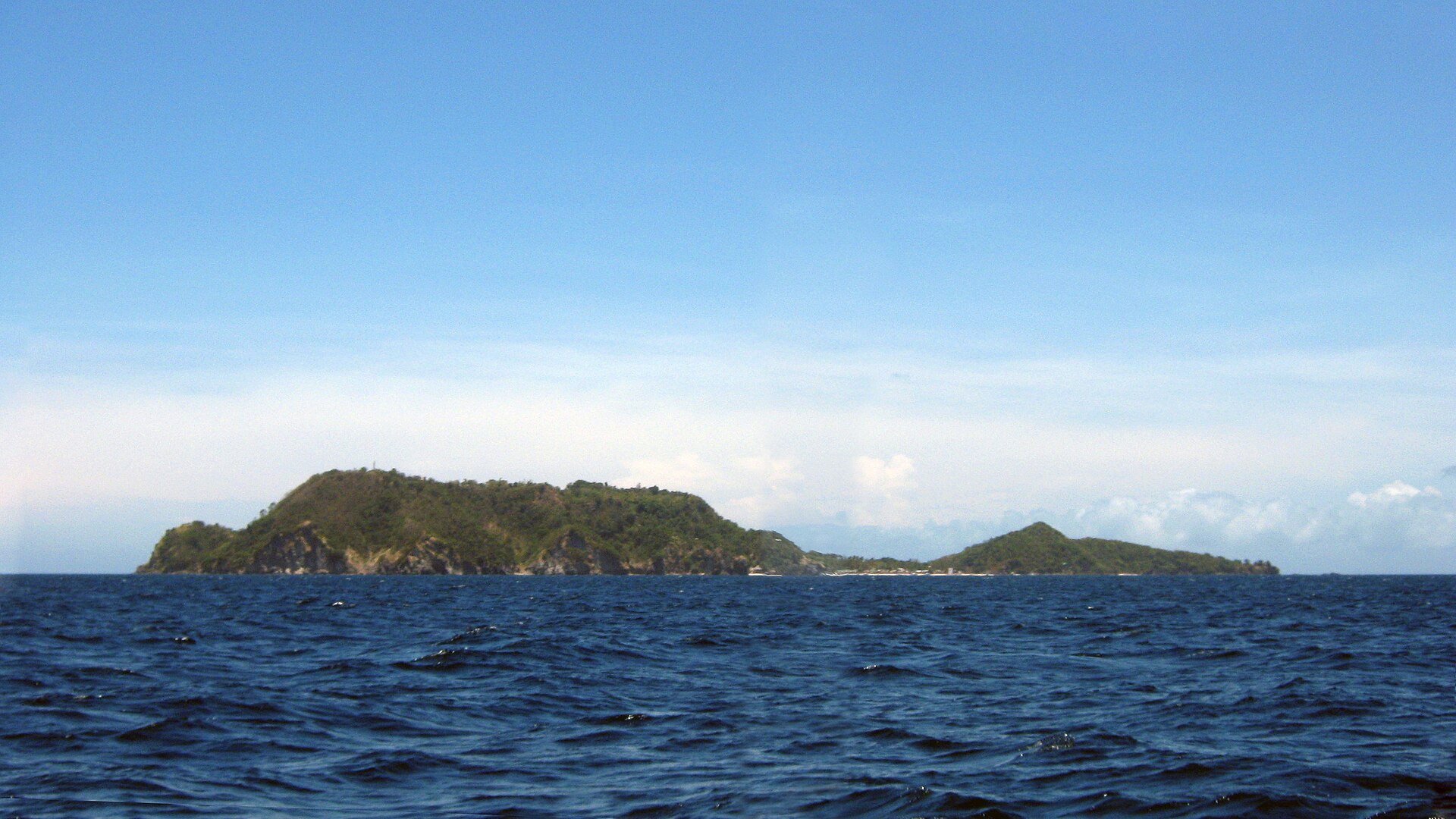
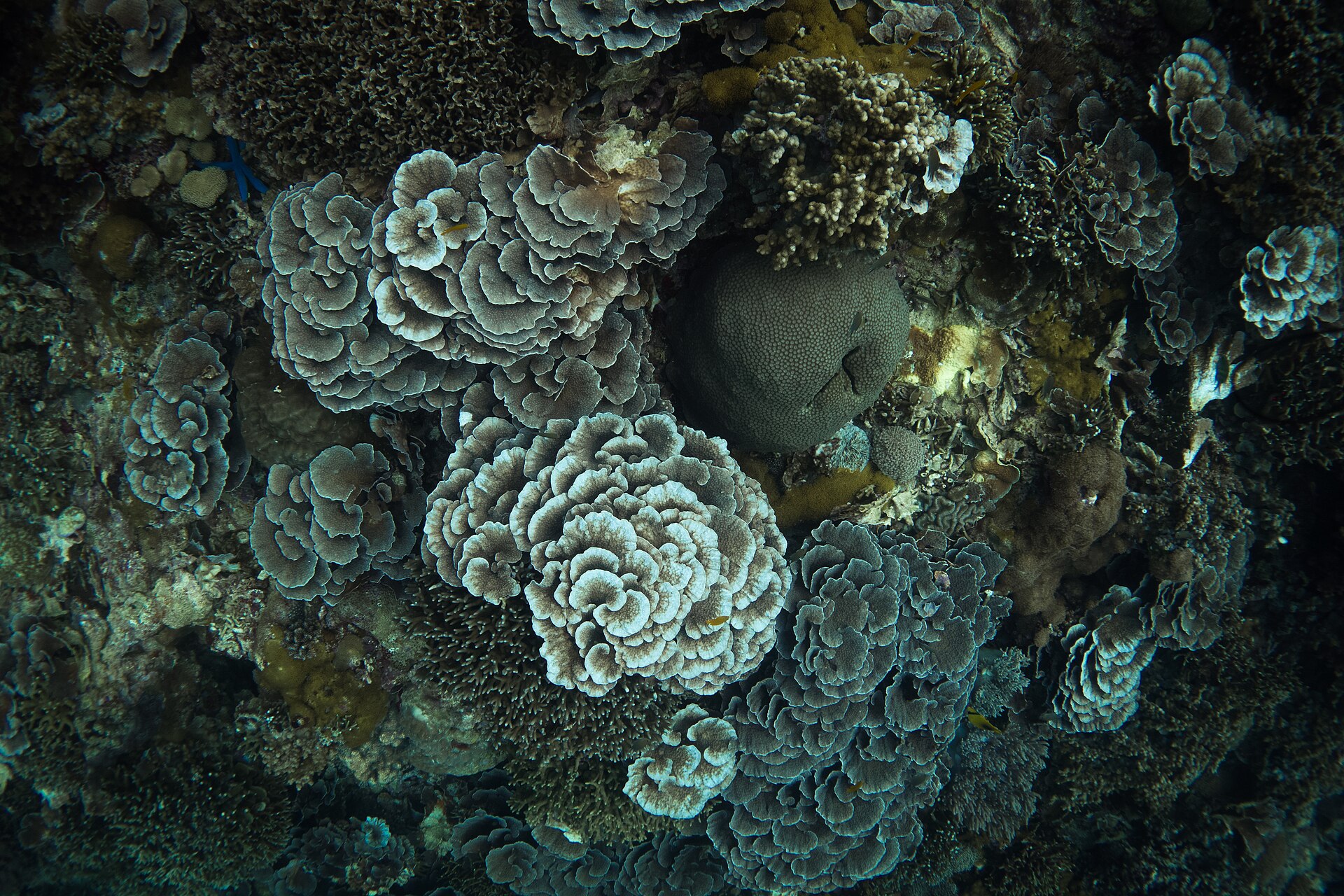
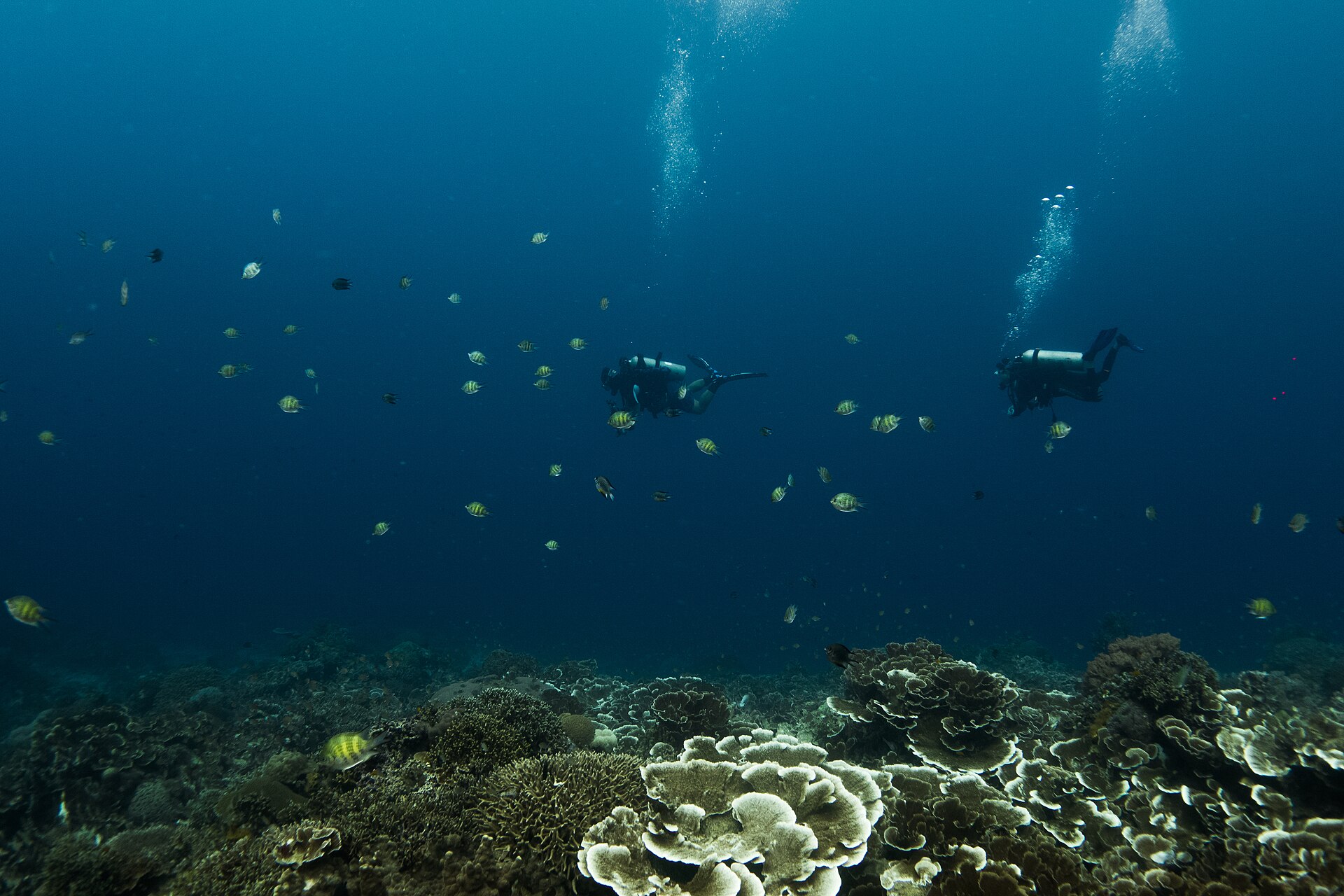
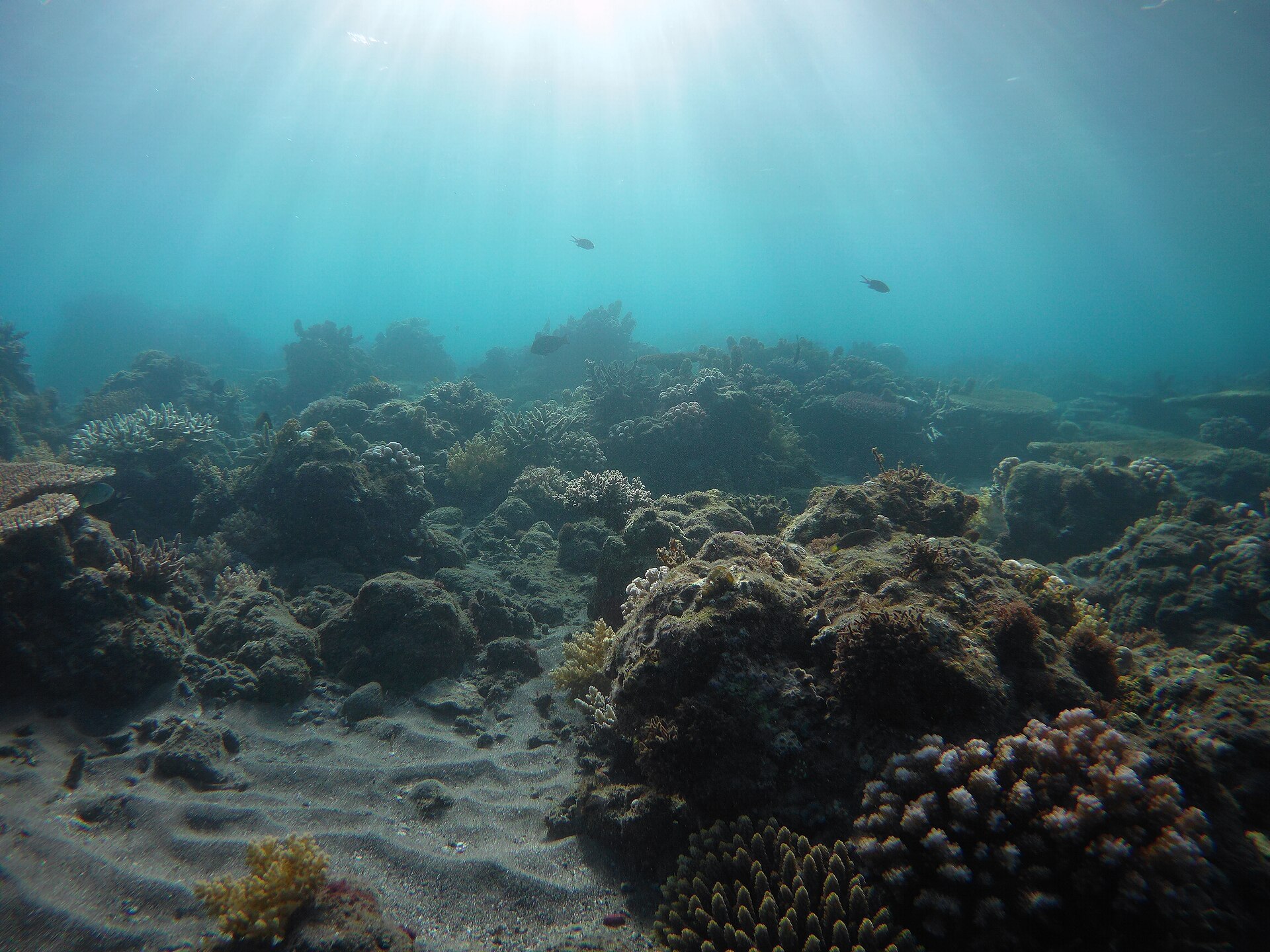
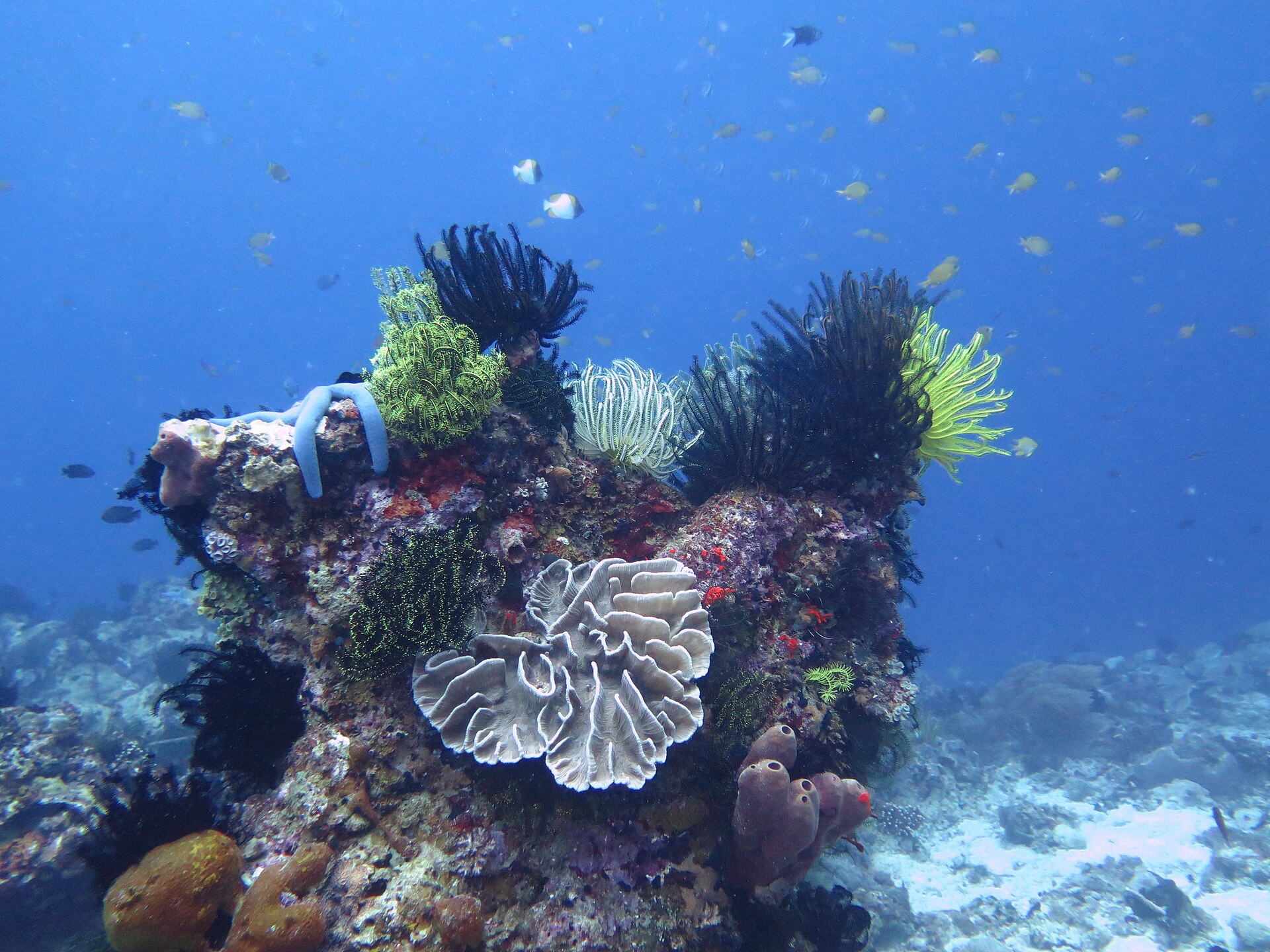
Tap a photo to see it full size. Gallery photos come from Wikimedia Commons; each photographer's credit shows when you open the photo.
Watch before you go
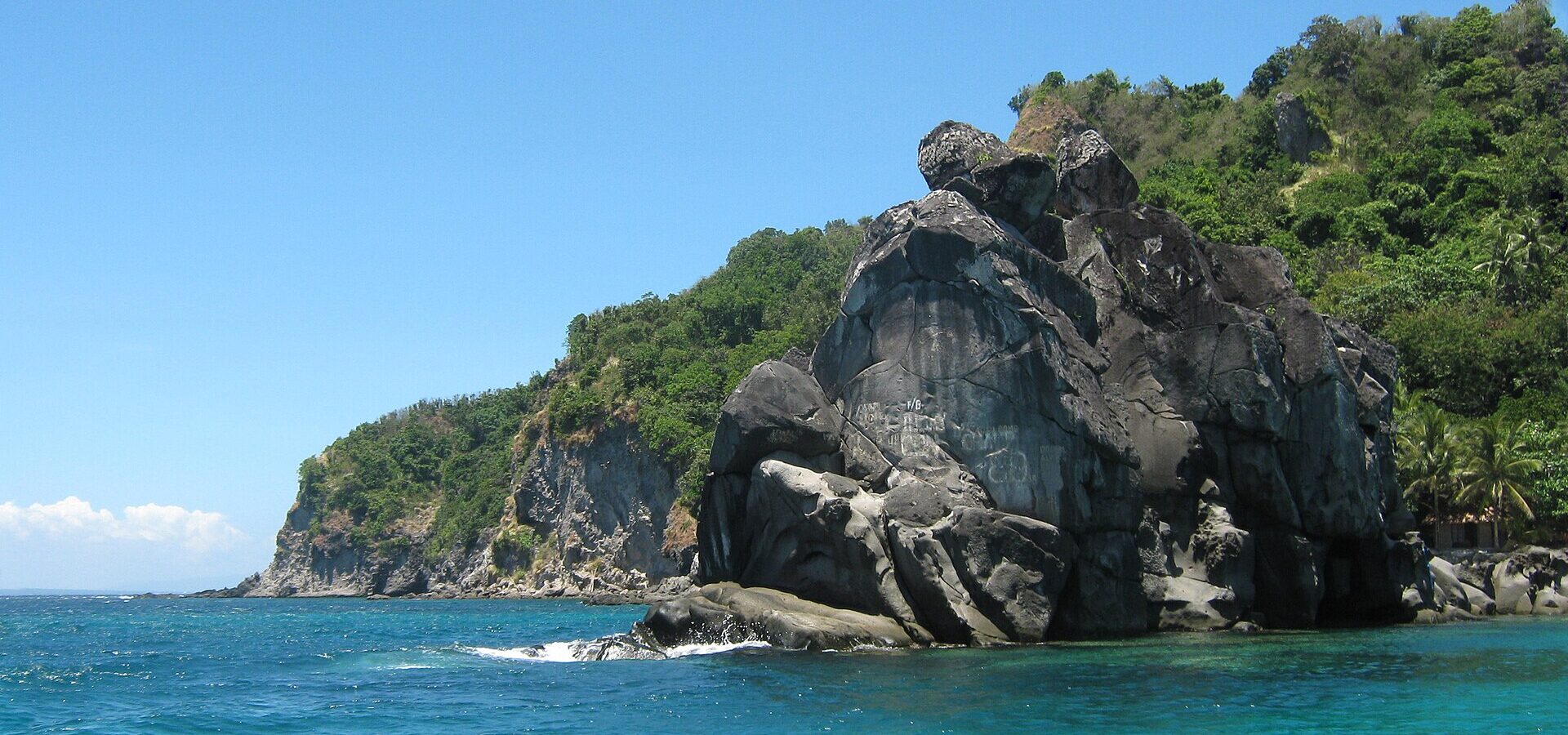
Photo: "Apo Island rocks" by Mike (TheCoffee), via Wikimedia Commons, licensed under CC BY-SA 3.0.
Last updated October 19, 2026
Use this page
Writing about this trip, or planning one? Copy a link or citation in one tap, or print this page to take with you.
See what gets copied
- Link code
<a href="https://touristbooklet.com/destinations/apo-island/">Apo Island - Tourist Booklet</a>- Citation
- Apo Island. Tourist Booklet. Last updated 19 October 2026. https://touristbooklet.com/destinations/apo-island/
From Tourist Booklet: https://touristbooklet.com/destinations/apo-island/. Last updated 19 October 2026. Prices and times change, so check before you go.