Sevilla Twin Hanging Bridge
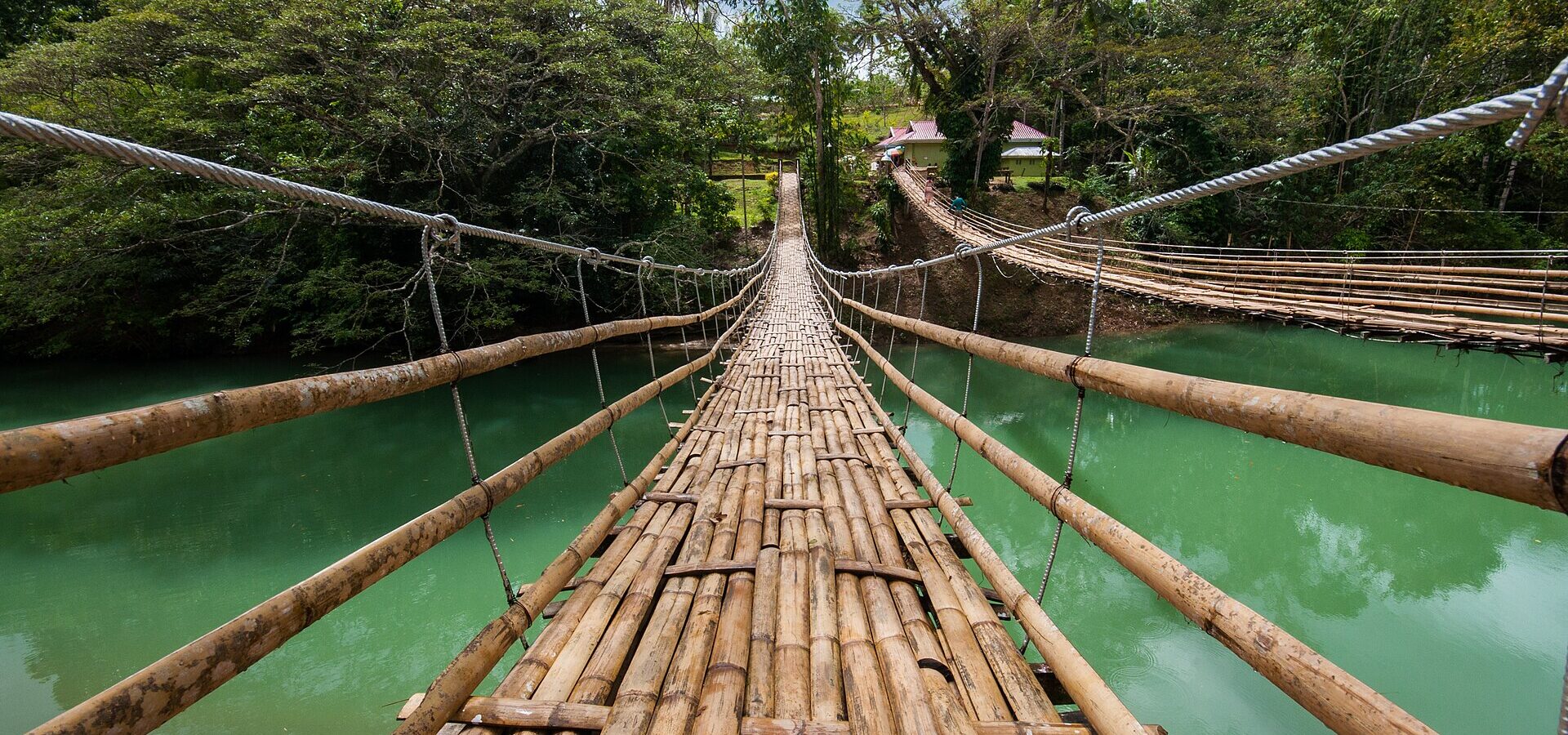
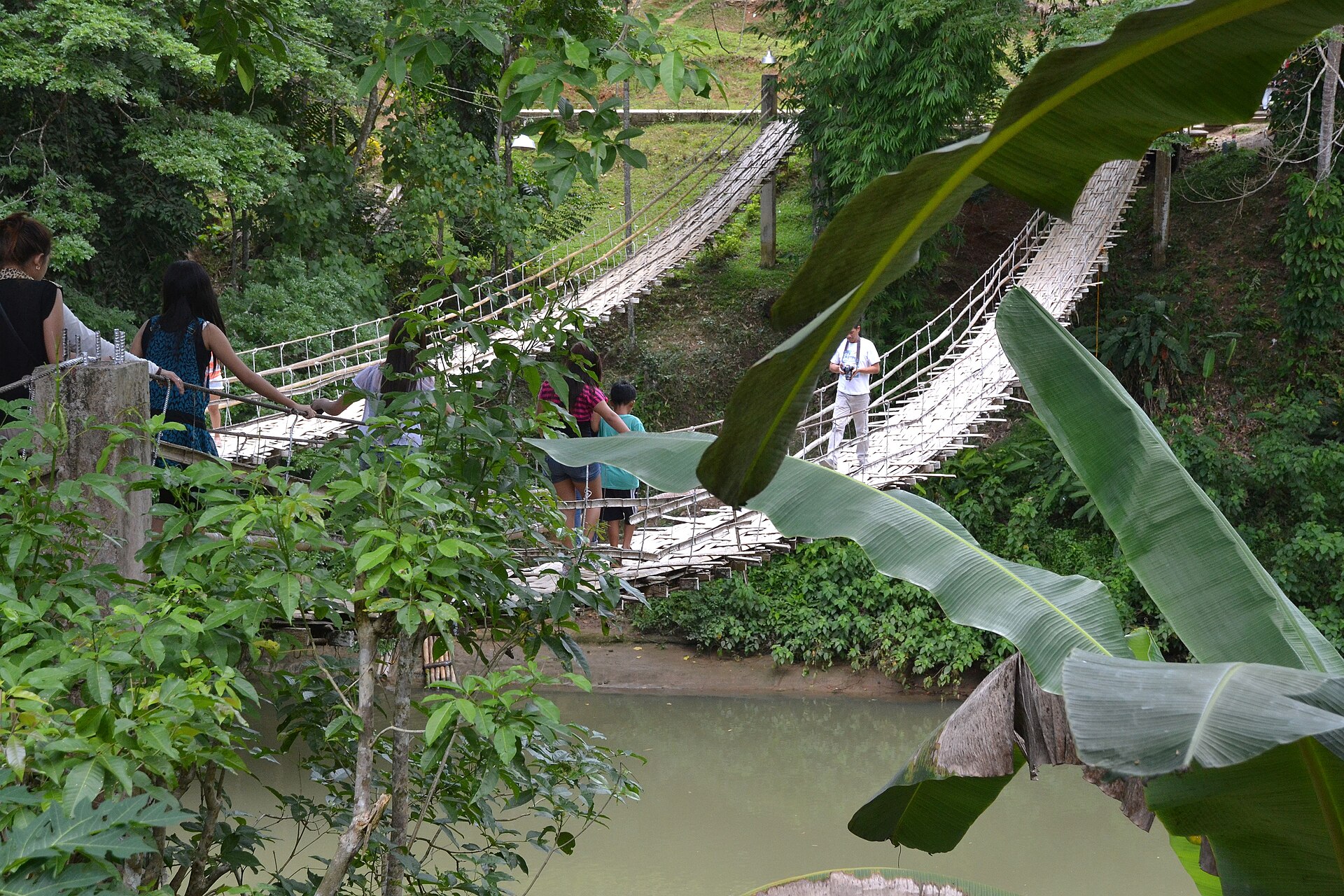
Two bamboo footbridges swinging side by side over a green river in inland Bohol. A short, cheap, wobbly adventure, easy to add to a countryside day trip.
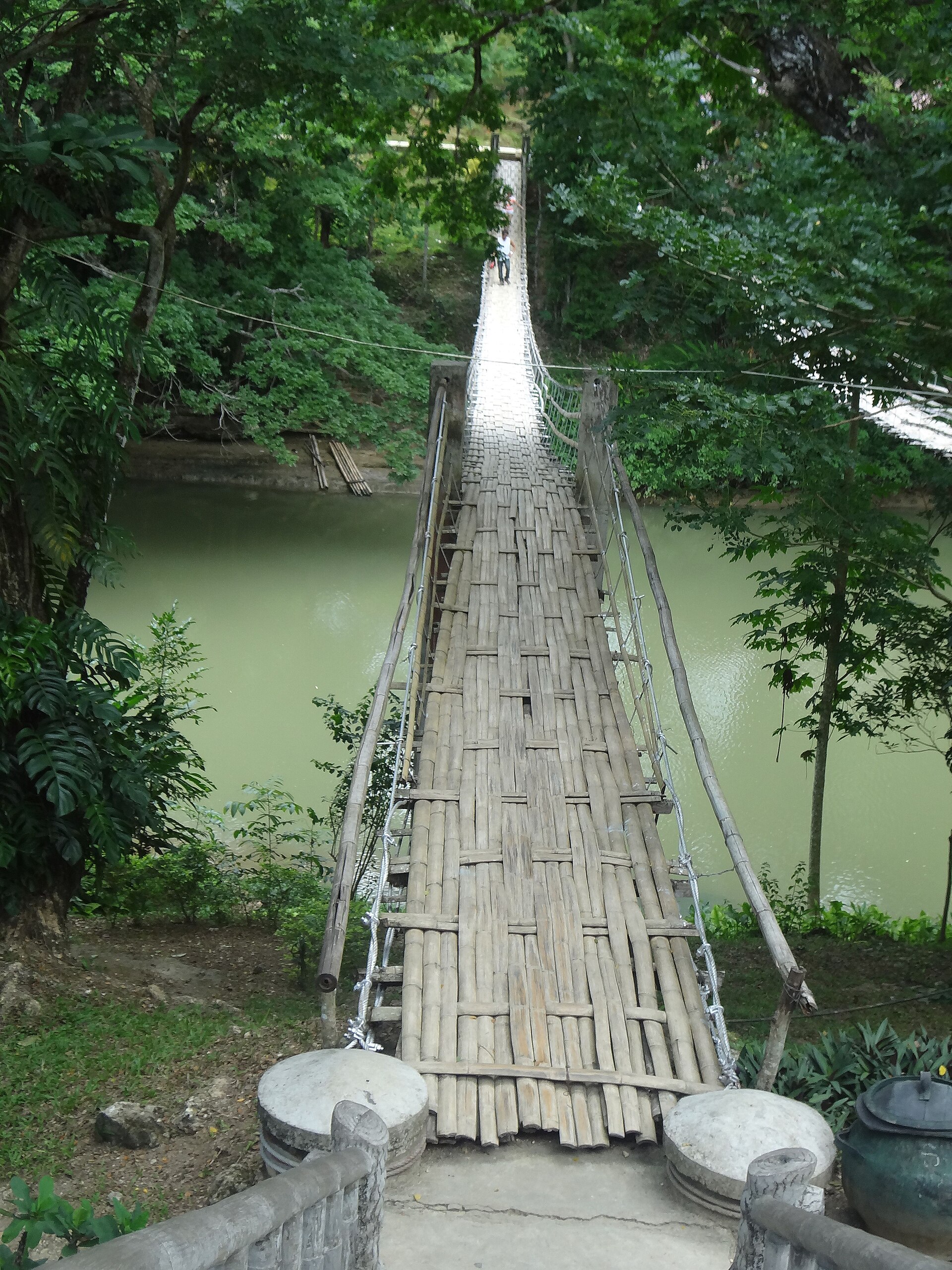
The Sevilla Twin Hanging Bridge, also called the Sipatan Twin Hanging Bridge, is a pair of bamboo footbridges over a river in the inland town of Sevilla, Bohol. Each bridge is about 40 metres long, and they hang side by side, one for each direction. The bridge is old village infrastructure that is now a favourite photo stop. The walk itself takes just a few minutes, so most visitors give it 30-45 minutes.
Why go to the Sevilla hanging bridge
- A woven bamboo deck held by steel cables, with handrails, that gently bounces as you cross.
- Green river views through the trees, best in the morning.
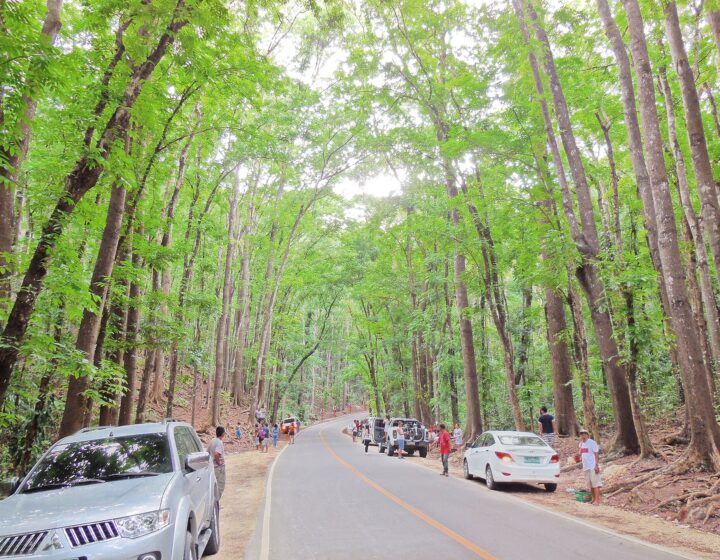
- A cheap, short stop on the way to the Loboc River, the Bilar forest and the Chocolate Hills.
- Small stalls selling local crafts, fruit and snacks on the riverbank.
About the bridge
According to the Bohol provincial tourism office, the bridge links Sitio Sipatan in Barangay Ewon with Sitio Ilawod in Barangay Lobgob. It was first built after the Second World War so villagers could carry farm goods across the river. The original rope suspension has since been replaced with safety cables.
Sevilla is a quiet farming town of about 11,000 people. The bridge is the main reason travellers come, so the crossing feels like a village path rather than a theme park. Please remember that locals use it too.
Things to do at the bridge
Cross one bridge, look around, then return on the other. The deck moves and bounces as people walk, so take your time and hold the rail if you feel unsteady. Look down through the bamboo slats to the water below. Visitors usually rate the walk as gentle rather than scary.
On the far bank there is a small clearing with handicraft stalls and refreshment stands. Buying a snack or a souvenir is a simple way to support the community that looks after the place. There is usually a small entrance fee, reported at about ₱20 per person in recent years; check on the day because it may have changed. Some sources say opening hours are about 8 am to 5 pm, which is worth confirming locally.
Make it a day out
The bridge works best as one stop in a longer loop through central Bohol. A common order is the bridge in the morning, then a lunch cruise on the Loboc River, then the Bilar man-made forest and the Chocolate Hills in the afternoon. Together they make a full day from Tagbilaran or Panglao. If you only want a quick look, the bridge alone takes less than an hour, including the drive from Loboc.
Decide before you leave how much time you want at each stop, and tell your driver. Tour groups tend to arrive around late morning, so an early start gives you the bridge almost to yourself.
Where is Sevilla Twin Hanging Bridge?
Sevilla, Bohol
Directions open in Google Maps, starting from where you are. Its travel times are estimates, and ferries and island boats may not be included.
Getting there from Cebu
- Take a fast ferry from Cebu City (Pier 1) to Tagbilaran. The trip takes about 2 hours, and in 2025-2026 a one-way ticket cost roughly ₱600-₱1,000 depending on the operator (estimate; check current fares). See Cebu to Bohol ferry.
- From Tagbilaran, the bridge is about 36 km by road, usually 45-60 minutes by car or van, passing through Loboc or the Loay Interior Road. A rented car with a driver, a van or a hired motorbike is the easiest way.
- Or join a countryside tour from Tagbilaran or Panglao. Most tours include the hanging bridge together with the Chocolate Hills, tarsiers and the Loboc River.
- If you are going by public transport, ask at the Tagbilaran terminals about jeepneys or vans to Sevilla or Loboc. Times vary and you may need to change, so allow extra time.
- Ask for the Sevilla Twin Hanging Bridge or Sipatan. Tricycles and habal-habal can cover the last stretch from the main road.
Getting around
The bridge is in the countryside, with few buses. Most travellers hire a driver for the day or join a tour. If you rent a motorbike, wear a helmet and take care on the winding roads, especially after rain. From the bridge, you can continue to Chocolate Hills, the Loboc River Cruise or the Bilar man-made forest.
Where to stay and eat
Sevilla has very few places to stay, so most visitors base themselves in Tagbilaran or on Panglao (see the Panglao guide) and make this a half-day trip. Eat at the riverbank stalls for snacks, or have lunch at a restaurant on the Loboc side as part of a tour. Bring some water.
When to go
Go early, around 8 to 10 am, for softer light and fewer tour groups. The dry months from about December to May are best. In the rainy season the bamboo can be wet and slippery, and the crossing may be closed if the river is high. Weekends and holidays are busier.
Tips for a good trip
- Wear closed shoes or sandals with grip; wet bamboo is slippery.
- Hold the handrail, keep children close and do not jump or run on the bridge.
- Follow any limit on people at one time, and do not climb on the cables.
- Do not litter, and be polite to locals when taking photos.
- Keep small bills for the entrance fee and stall snacks.
- Check the weather: avoid the crossing in a storm or after heavy rain.
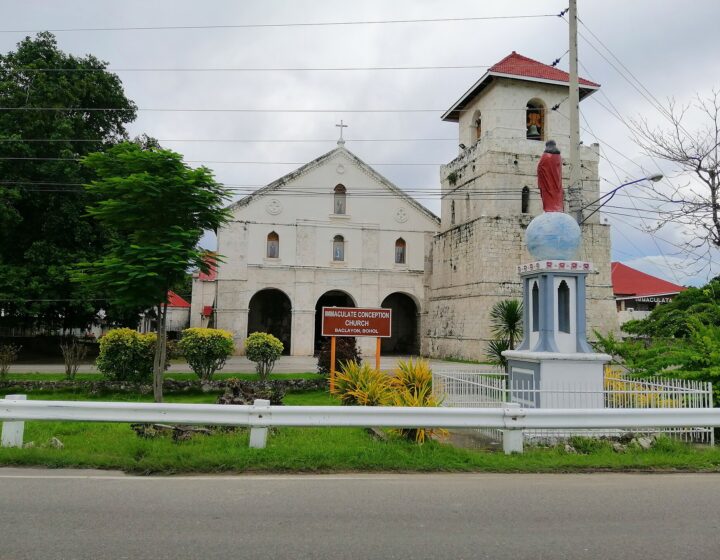
Building a Bohol day? Read our Chocolate Hills guide, the Loboc River Cruise and the Cebu to Bohol ferry guide. For heritage, add Baclayon Church.
Photo gallery
Tap a photo to see it full size. Gallery photos come from Wikimedia Commons; each photographer's credit shows when you open the photo.
Watch before you go
Last updated October 28, 2026
Use this page
Writing about this trip, or planning one? Copy a link or citation in one tap, or print this page to take with you.
See what gets copied
- Link code
<a href="https://touristbooklet.com/destinations/sevilla-hanging-bridge/">Sevilla Twin Hanging Bridge - Tourist Booklet</a>- Citation
- Sevilla Twin Hanging Bridge. Tourist Booklet. Last updated 28 October 2026. https://touristbooklet.com/destinations/sevilla-hanging-bridge/
From Tourist Booklet: https://touristbooklet.com/destinations/sevilla-hanging-bridge/. Last updated 28 October 2026. Prices and times change, so check before you go.