Panglao Island
Bohol's beach island: white sand at Alona, turtles and reef walls at Balicasag, an underground lagoon at Hinagdanan and an easy fast-ferry trip from Cebu.
Panglao is a small island just off the southwest corner of Bohol, joined to the mainland near Tagbilaran City by bridges. It is split between two towns, Dauis and Panglao, and it is where most visitors to Bohol come to swim, snorkel and dive. White sand at Alona Beach, turtles at Balicasag Island and some of the best reef diving in the Visayas are all within a short boat ride, and from Cebu it is an easy trip by fast ferry.
Why go to Panglao
- Alona Beach, a lively strip of white sand with dive shops, restaurants and calm water for most of the year.
- Balicasag Island, a protected marine sanctuary with reef walls, schools of fish and wild sea turtles.
- Hinagdanan Cave, a limestone cave with a clear underground lagoon you can swim in.
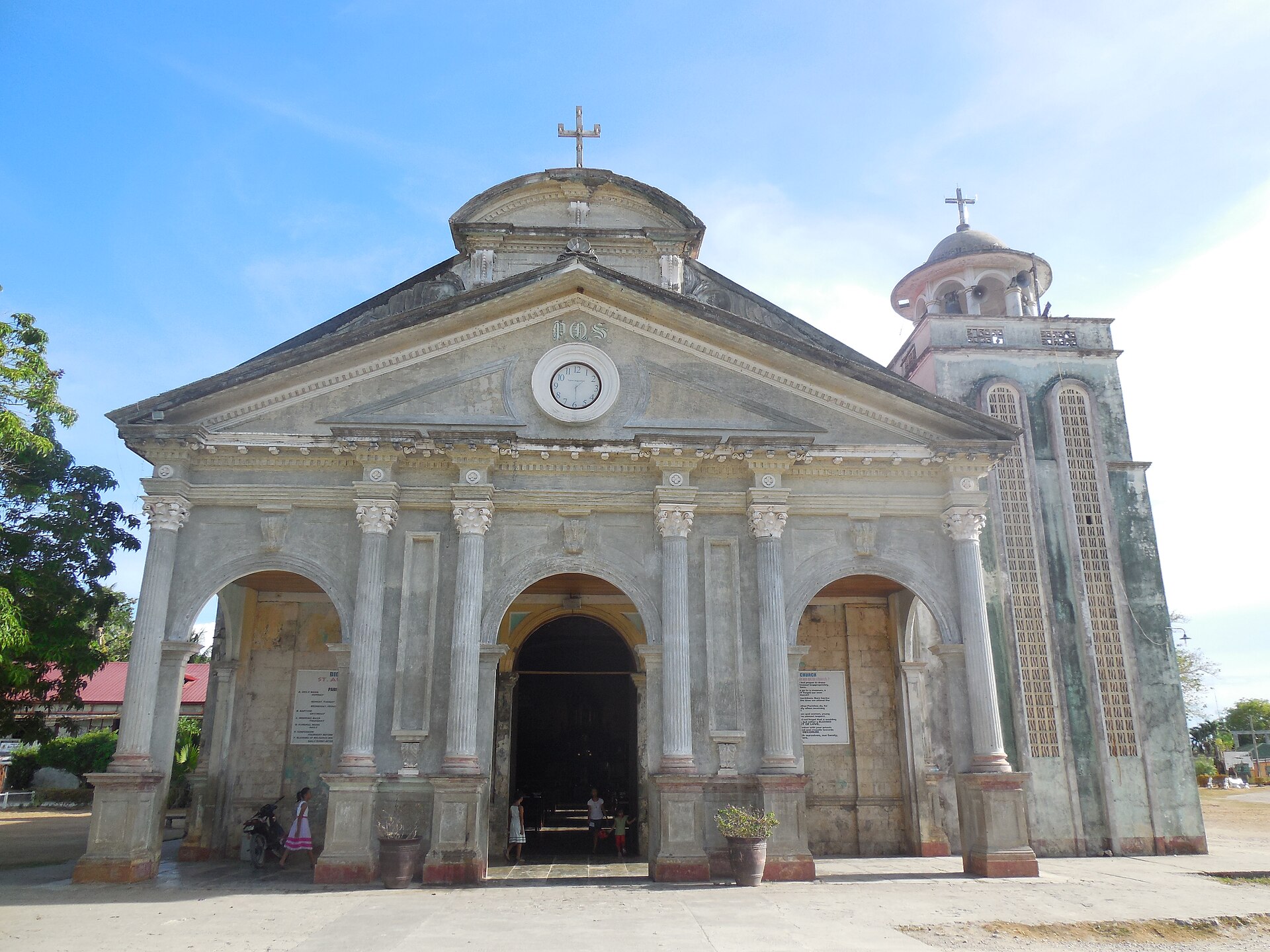
- Old stone churches, quieter beaches and an easy base for day trips to Bohol's Chocolate Hills and countryside.
Things to do on Panglao
Alona Beach and the island's other beaches
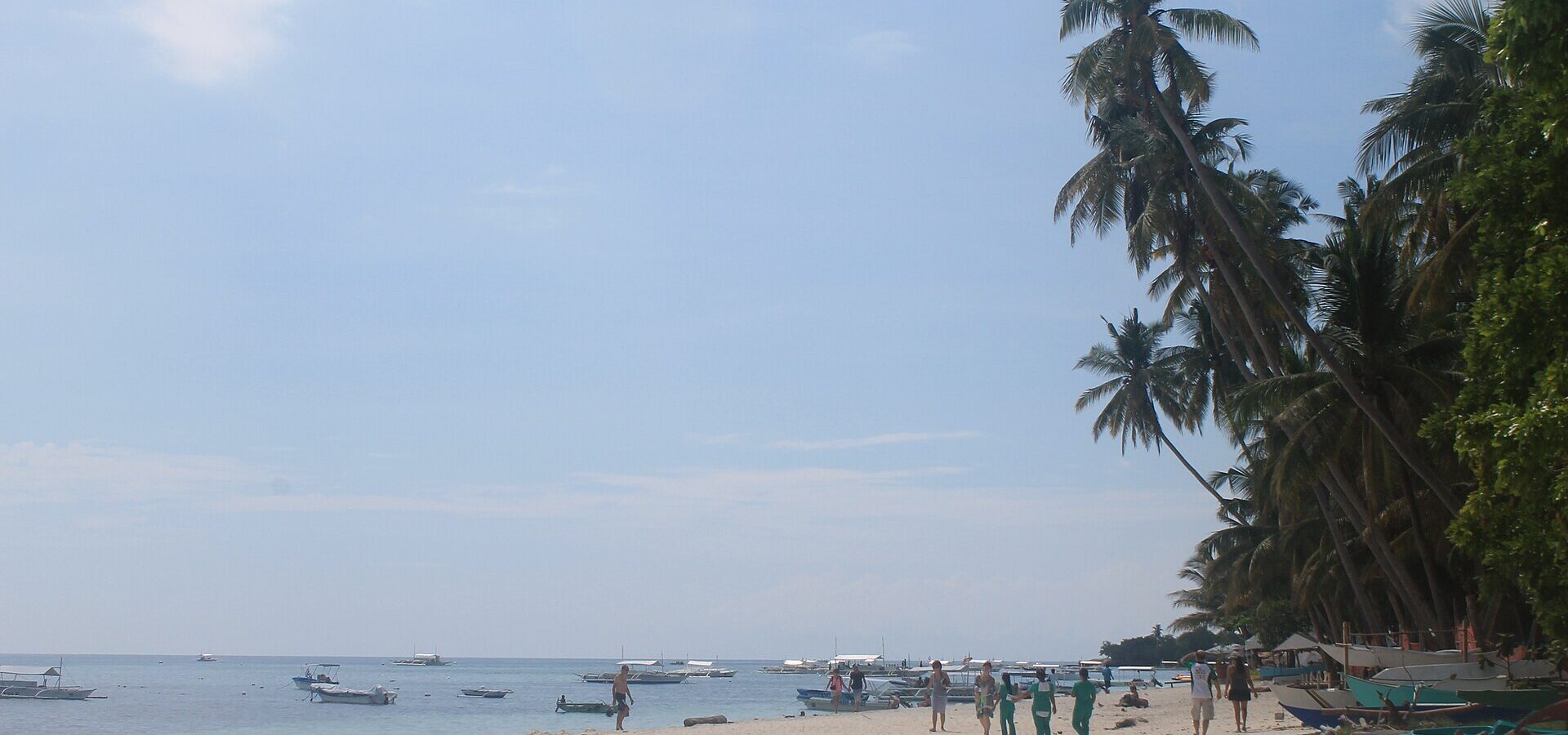
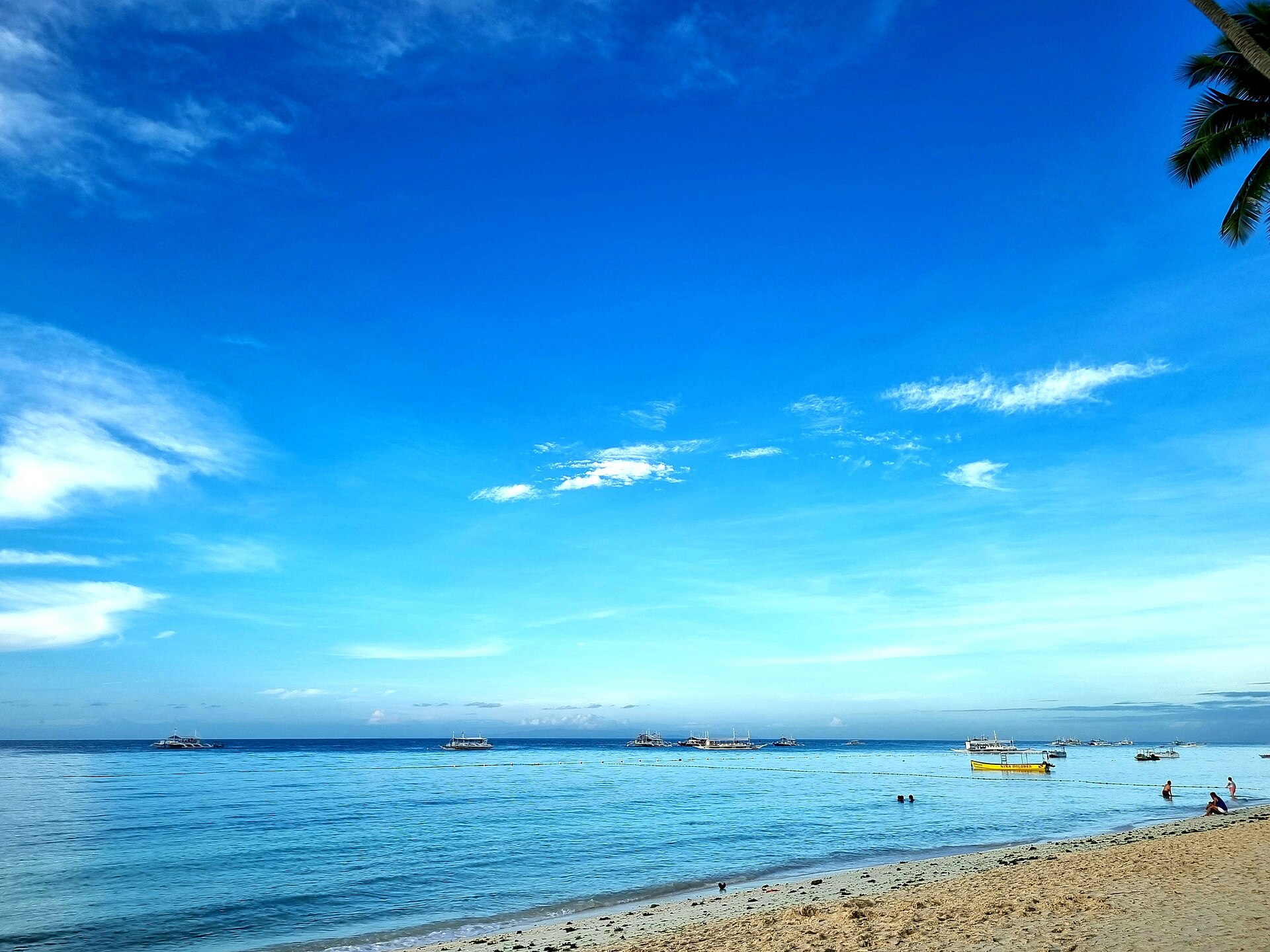
Alona Beach on the south coast is the island's busiest beach and its main tourist area. The sand is white and fine, the water is clear, and the shallow reef just offshore is good for a first snorkel. In the evening the beachfront fills with restaurants and fresh seafood. For more space, try Dumaluan Beach, a longer and quieter stretch of white sand east of Alona, or Doljo Beach on the west side, where the water is very shallow at low tide and the sunsets are lovely.
Balicasag Island and its sanctuary
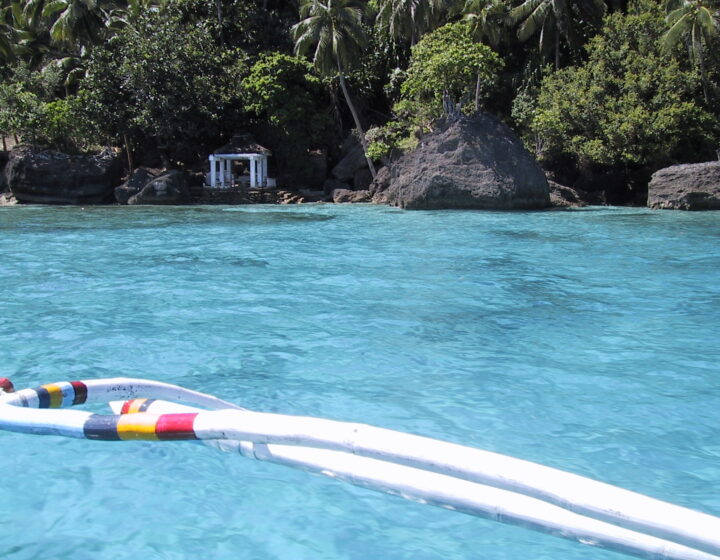
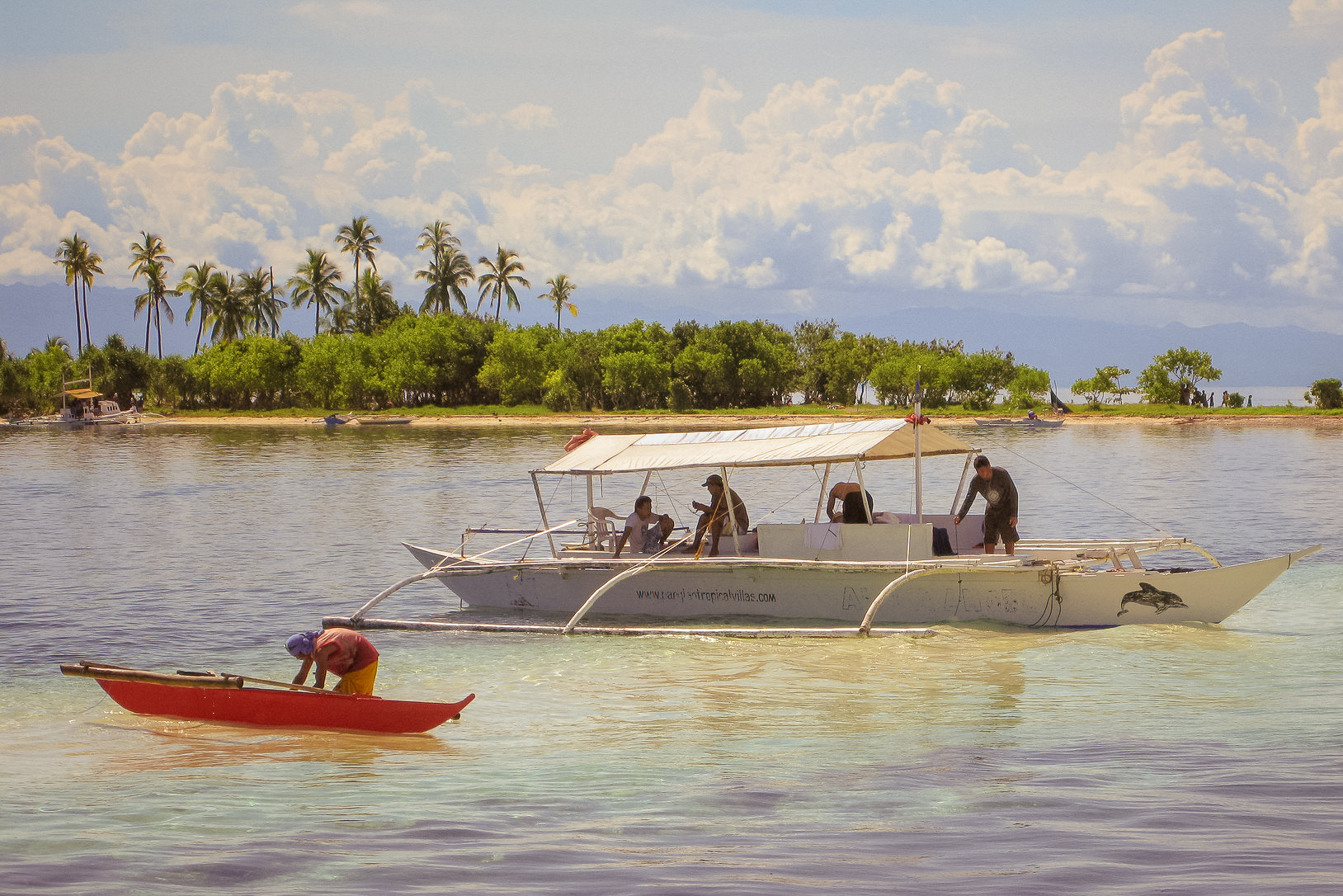
Balicasag is a tiny, flat island southwest of Panglao, usually reached by a 30-45 minute boat ride from Alona. Its reef has been a marine sanctuary since the 1980s, and it is famous for steep coral walls, big schools of jacks and wild green and hawksbill turtles grazing in the shallows. Snorkellers go out with a local guide in a small boat, and divers go with a dive shop. Diver numbers are limited, so book ahead in busy months. Expect an environmental or sanctuary fee on top of the boat.
Dolphin watching and Virgin Island
Many island-hopping trips leave Alona at dawn to look for spinner dolphins in the open sea between Panglao and Pamilacan Island, then continue to Balicasag. Sightings are common but never guaranteed. The people of Pamilacan once hunted whales and dolphins; since the ban on catching them in the 1990s, many now earn a living showing visitors these animals instead. Choose an operator that keeps its distance, does not chase or circle the pods, and never lets guests feed or swim after them. If many boats crowd one group, ask your boatman to hang back.
Virgin Island (Puntod Island) is a sandbar that often ends an island-hopping morning. It was closed in 2024 after corals at a nearby snorkel site were vandalised, and reopened in February 2026 under stricter rules: accredited boats, one entry and exit point, a ticket booth, a time limit for each visit and no food stalls on the sand. Follow the staff and leave nothing behind.
Diving
Panglao is one of the country's best-known dive bases. Dive shops along Alona Beach run trips to Balicasag, to Pamilacan and to house reefs off Panglao itself, and many offer beginner courses. Ask what the price includes (gear, boat, guide and fees), and only dive with a guide inside the sanctuaries.
Hinagdanan Cave and Dauis Church
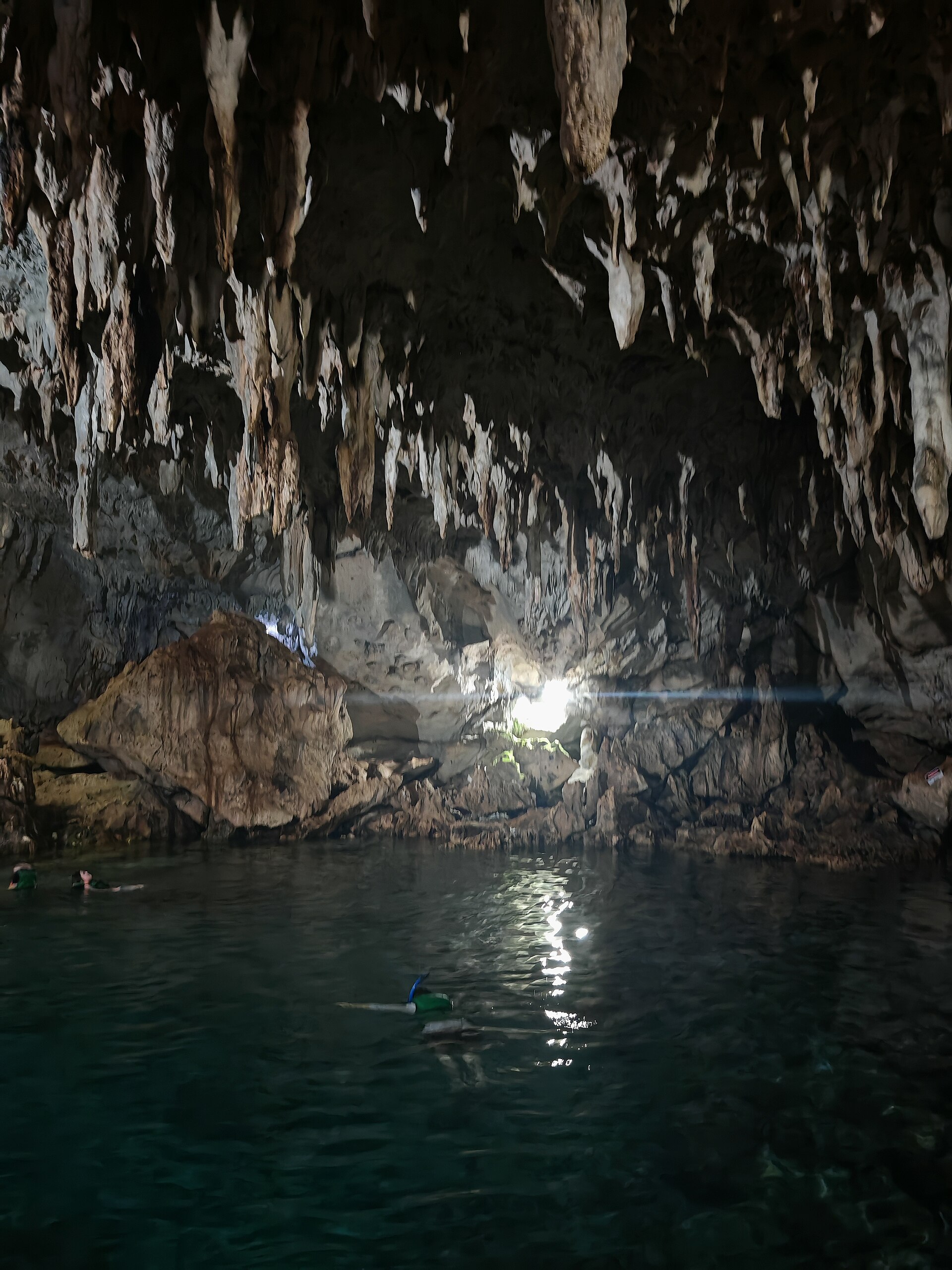
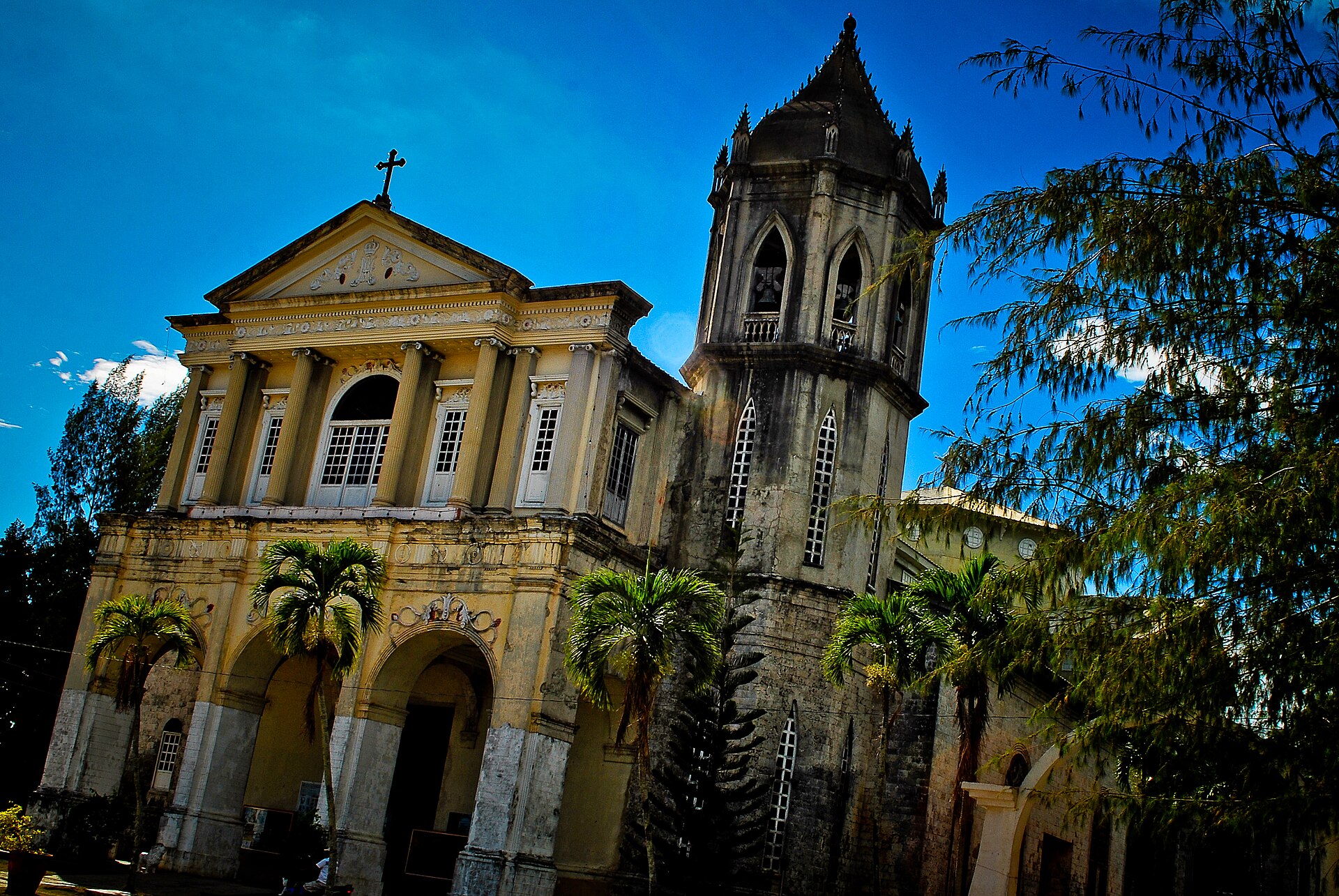
In Dauis, Hinagdanan Cave is a limestone cave lit by holes in the roof, with stalactites hanging over a cool, clear lagoon. Panglao has no rivers, and the cave's water is one of its natural sources. There is a small entrance fee, plus an extra fee if you want to swim. Nearby, the Dauis Church (Our Lady of the Assumption) is a stone church by the water, founded by the Jesuits and declared a National Cultural Treasure. It was damaged in the 2013 earthquake and reopened after restoration in 2017. It is known for a well inside the church whose water many visitors believe is miraculous. Dress modestly and keep quiet during Mass.
Where is Panglao Island?
Panglao, Bohol
Directions open in Google Maps, starting from where you are. Its travel times are estimates, and ferries and island boats may not be included.
Getting there from Cebu
- Go to the Cebu City port and take a fast ferry to Tagbilaran. The crossing usually takes about 2 hours, with several departures a day. Our Cebu to Bohol ferry guide has the operators, fares and tips.
- From Tagbilaran port, take a taxi, a hotel transfer or a tricycle to Panglao. Alona Beach is roughly 30-45 minutes by road, depending on traffic (estimate, 2025-2026).
- Taxis are the easiest with bags. Agree on the fare or ask for the meter before you leave, and expect very roughly ₱500-₱1,000 to Alona (estimate, 2025-2026; check locally).
Panglao also has the Bohol-Panglao International Airport, opened in 2018, with flights mainly from Manila and some other cities and a few international routes. From Cebu, the fast ferry is the usual and simplest way to go; flights between the two islands are rare, so check the airlines if you would rather fly. If you are flying in from elsewhere, the airport is only a short drive from Alona.
Getting around
Tricycles are the usual way to get around the island; agree on the fare before you get in. Many visitors rent a scooter, but only if you have a licence and are used to traffic. For a day in Bohol's interior, hire a car and driver or join a countryside tour, which usually picks you up from your hotel.
Where to stay and eat
Alona Beach is the most convenient base, with everything from budget rooms down the side roads to beachfront resorts, plus dive shops and plenty of food. Dumaluan and the beaches further east are quieter, with bigger resorts. Budget travellers and backpackers often stay a little inland from Alona, where rooms are cheaper. Eat fresh grilled seafood along Alona, try local Boholano food in small eateries, and visit the market in Tagbilaran if you pass through.
When to go
The dry months, from about December to May, usually bring the calmest seas and the clearest water for snorkelling and diving. From about June to November there is more rain, and typhoons can cancel ferries and boat trips, so keep a spare day. Christmas, Holy Week and summer holidays are the busiest times, so book rooms and dives early.
Tips for a good trip
- Never touch, chase or ride turtles, and keep your fins away from the coral. Don't stand on the reef.
- Watch dolphins from a distance; don't ask the boat to chase them, and never feed them.
- Use reef-safe sunscreen and wear a rash guard instead of lots of lotion.
- Bring cash for environmental and sanctuary fees, cave entry, tricycles and boatmen.
- Agree on the island-hopping price, the stops and what is included before you leave the beach.
- Take all your rubbish back with you, especially from Virgin Island and Balicasag.
- Check the weather and the ferry schedule the day before you travel back to Cebu.
Planning the crossing? Start with our Cebu to Bohol ferry guide, then add a day for the Chocolate Hills, tarsiers and the Loboc River. Love turtles and reefs? Back in Cebu, try Moalboal.
Photo gallery
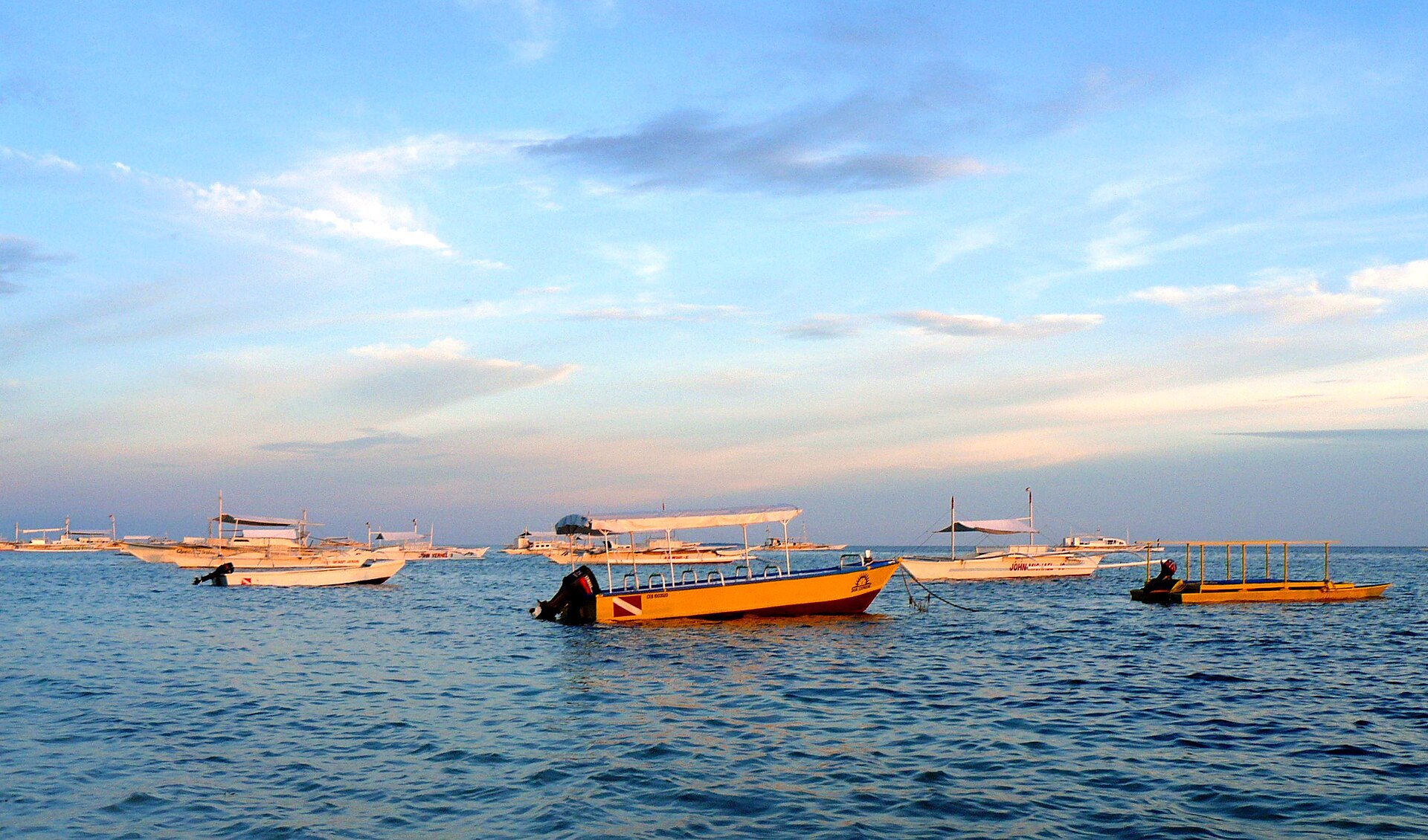
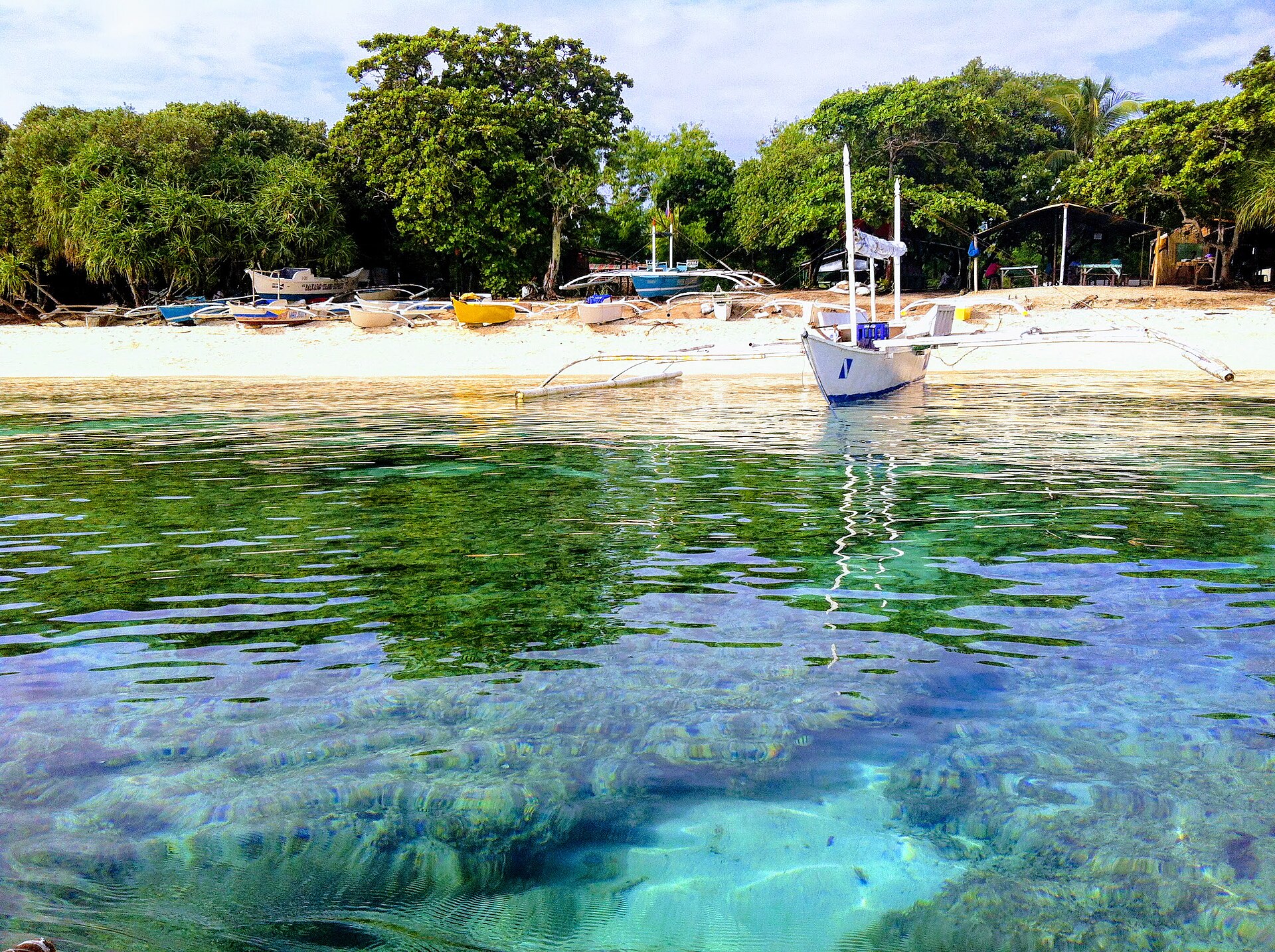
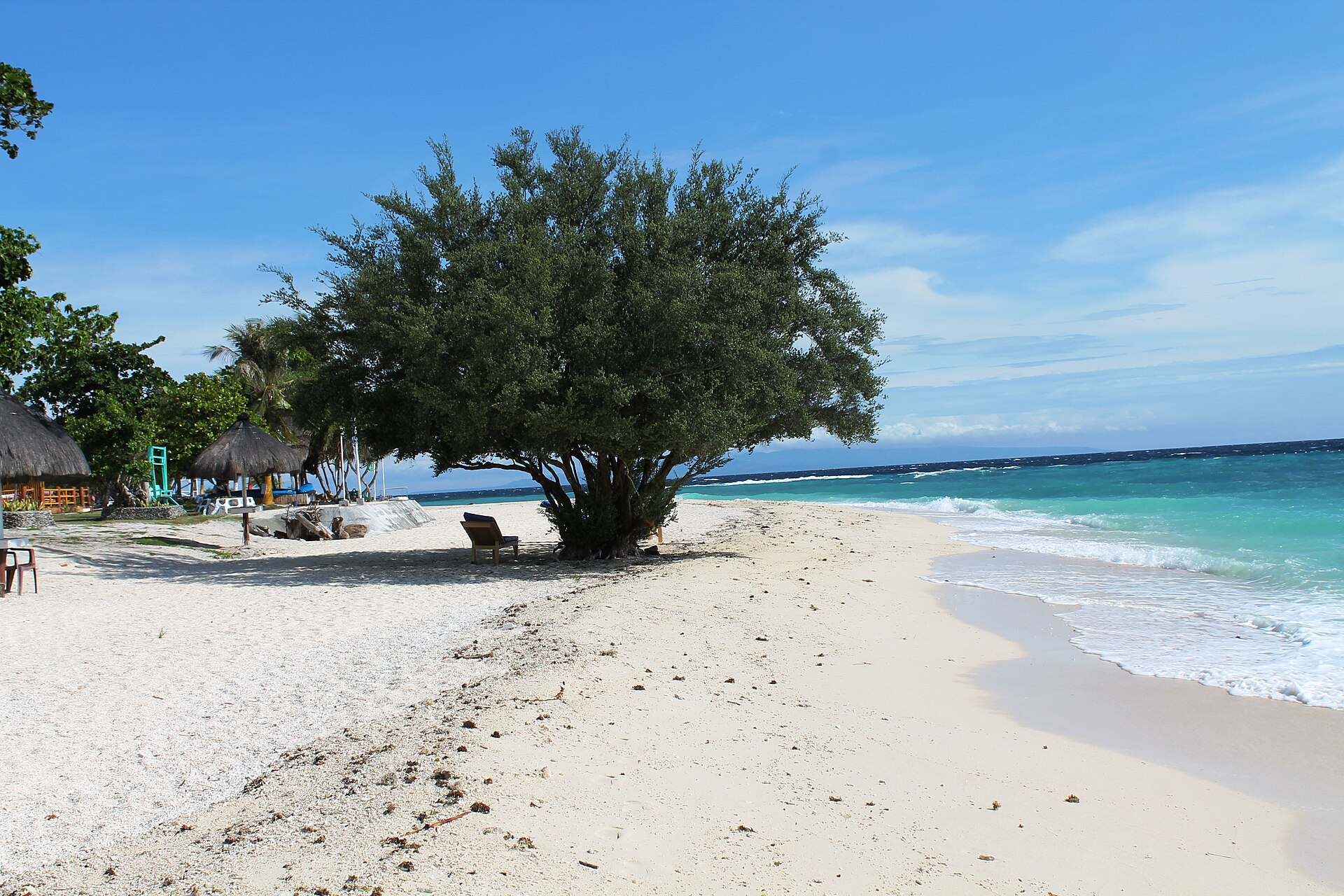
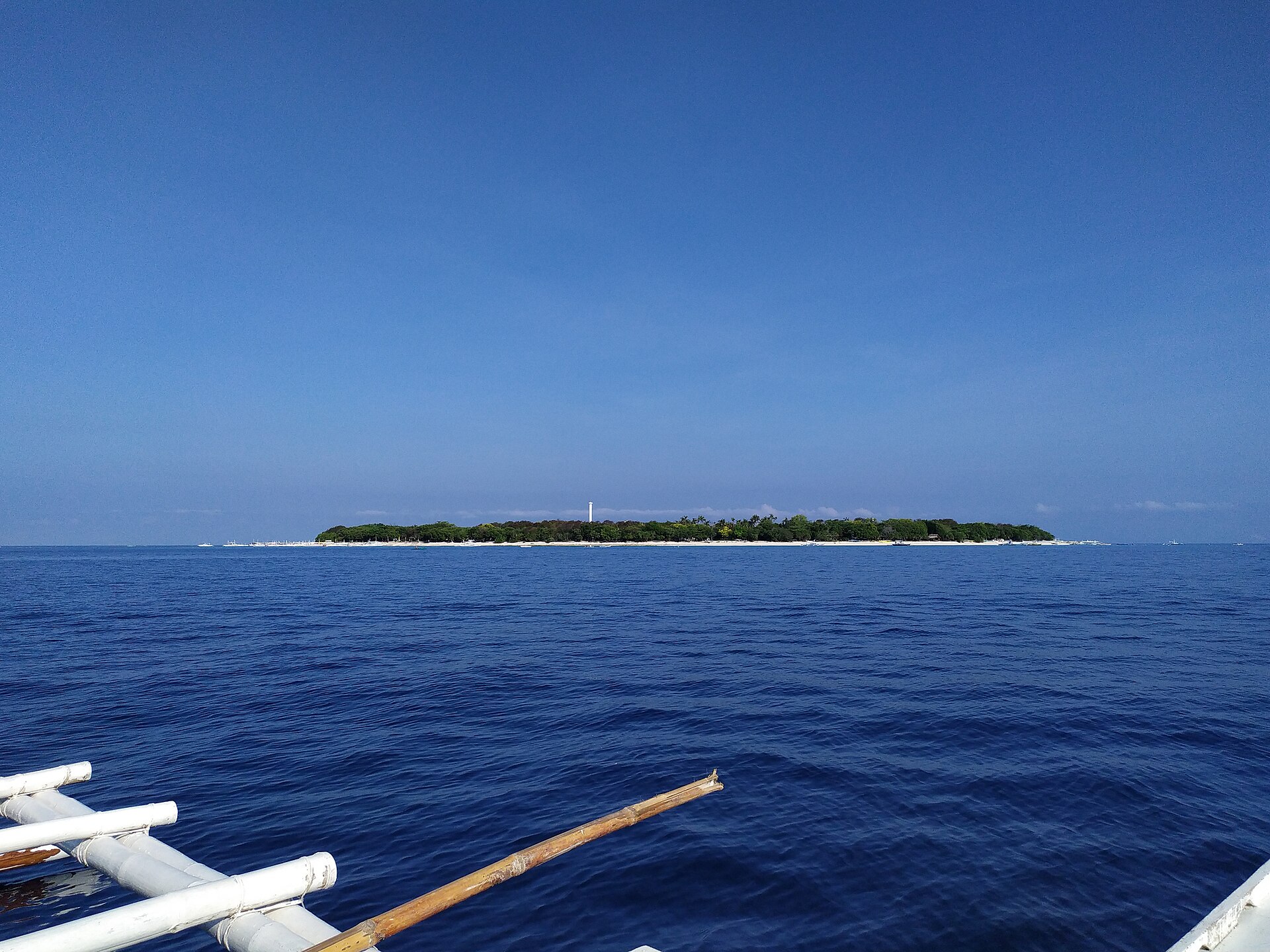
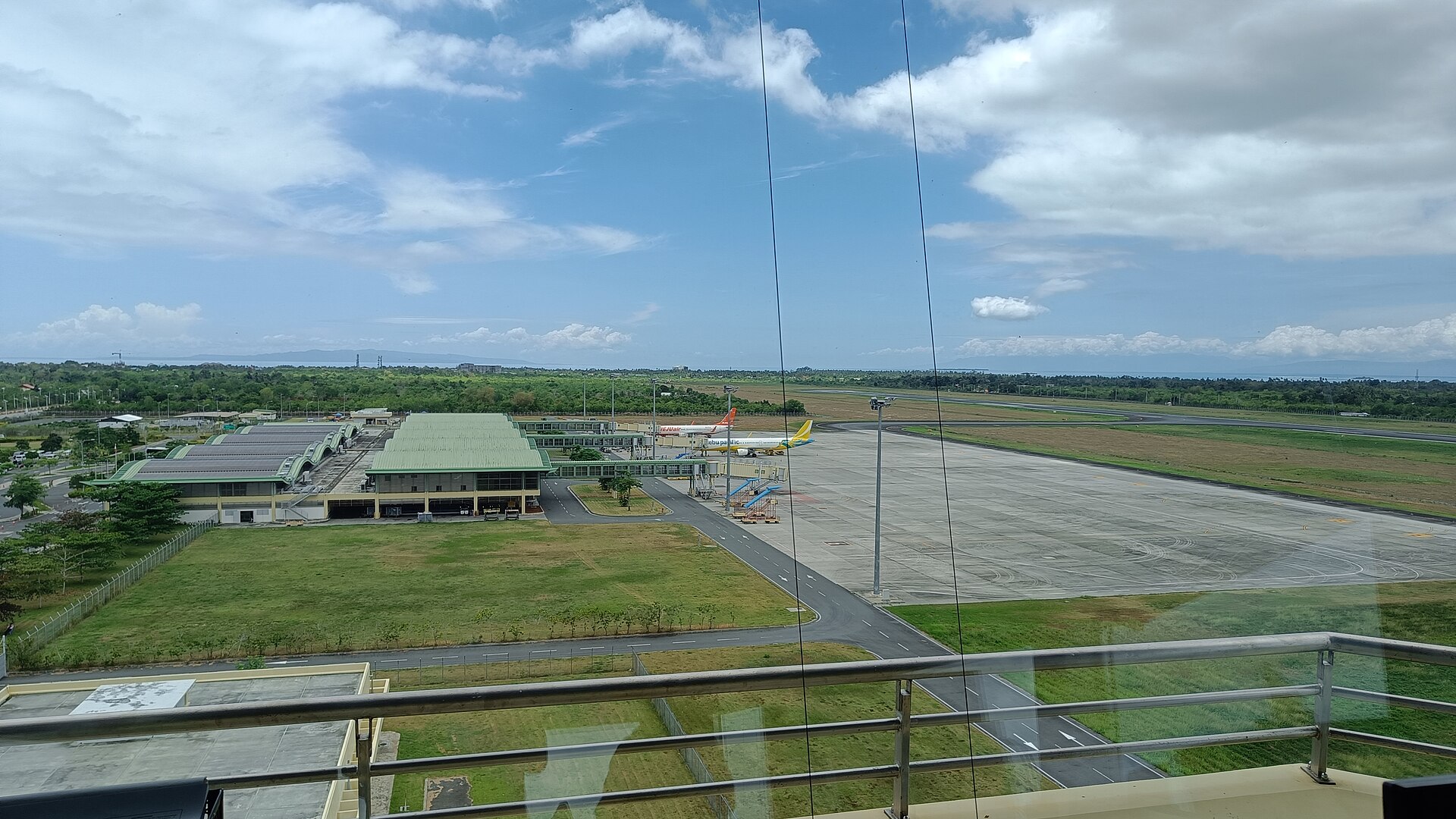
Tap a photo to see it full size. Gallery photos come from Wikimedia Commons; each photographer's credit shows when you open the photo.
Watch before you go
Photo: "Alona Beach 02" by Roel Balingit, via Wikimedia Commons, licensed under CC BY-SA 4.0.
Last updated October 19, 2026
Use this page
Writing about this trip, or planning one? Copy a link or citation in one tap, or print this page to take with you.
See what gets copied
- Link code
<a href="https://touristbooklet.com/destinations/panglao/">Panglao Island - Tourist Booklet</a>- Citation
- Panglao Island. Tourist Booklet. Last updated 19 October 2026. https://touristbooklet.com/destinations/panglao/
From Tourist Booklet: https://touristbooklet.com/destinations/panglao/. Last updated 19 October 2026. Prices and times change, so check before you go.