Diving in Cebu: the best areas for every level
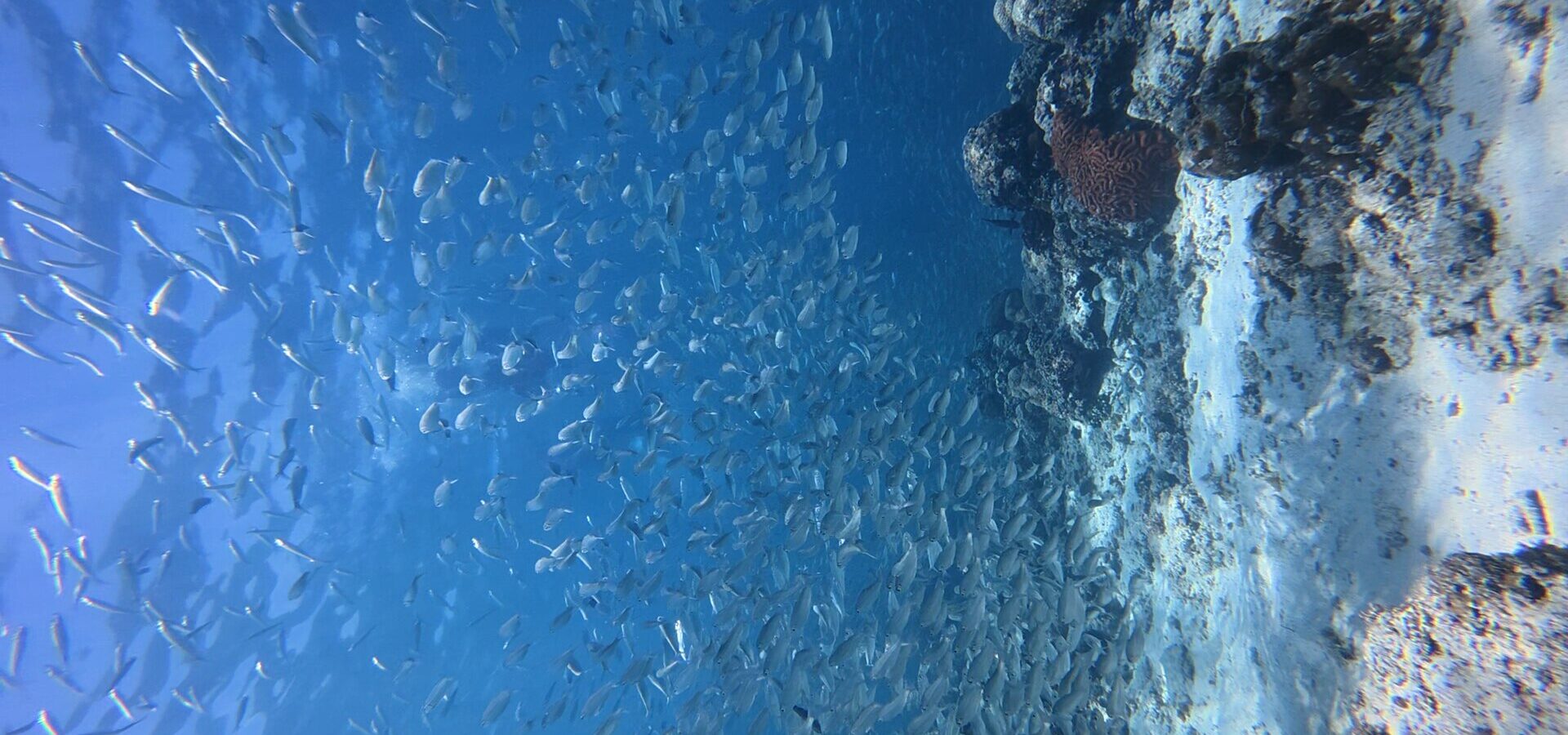
Cebu is one of the best places in the Philippines to learn to dive or to log some unforgettable dives. The water is warm all year, dive shops are everywhere, and the island has sites for every level, from gentle reefs a short boat ride from the airport to deep walls and early-morning thresher shark dives.
Learning to dive in Cebu
If you have never dived before, you can try a discover scuba session with an instructor, or take a full Open Water course. A beginner course usually takes a few days, with theory, practice in shallow water and open-water dives. Courses are offered by dive centres in Moalboal, Malapascua and on Mactan.
- Choose a dive centre linked to a recognised training agency, such as PADI or SSI, with small groups and well-kept gear.
- Ask how many students each instructor takes.
- Already certified but rusty? Book a refresher before your first dive.
- Bring your certification card or have the digital version on your phone, plus your logbook.
Best areas by level
Mactan: easy and close
Mactan Island is minutes from the international airport, so it suits short trips and a first dive on arrival. Boats visit reefs and walls off Mactan and nearby islands such as Olango and the Hilutungan and Nalusuan sanctuaries. Many sites suit beginners, and there are deeper walls for more experienced divers.
Moalboal: something for everyone
Moalboal on the south-west coast is Cebu's most popular dive town. Its stars are the sardine run, a huge school of sardines found just off Panagsama Beach all year, and Pescador Island, a protected marine area with a wall dropping into deep water. Turtles are common. There are shallow sites for beginners and deeper walls for advanced divers, and most sites are a short boat ride away.
Malapascua: thresher sharks
Malapascua, off the northern tip of Cebu, is famous for thresher sharks at Monad Shoal, where they rise early in the morning to cleaning stations. The dive is fairly deep, so dive shops usually recommend an advanced certification. Gato Island, with its underwater tunnel, and macro sites full of small creatures make Malapascua great for photographers too.
Other areas
- Oslob and Sumilon Island in the far south have reef dives around a marine sanctuary. See Oslob.
- Bantayan and the Camotes Islands have quieter dive scenes.
- Capitancillo off Bogo has a marine sanctuary visited by some dive trips.
When to dive
Diving in Cebu is possible all year. Water temperatures are usually around 26-30°C, and visibility often ranges from about 10 to 30 metres depending on the site and the day. The dry season, from about December to May, tends to bring calmer seas. From around June to November, storms can cancel boat trips for a day or more, so leave room in your plans. Read typhoon season travel and the best time to visit Cebu.
A thin wetsuit (3 mm) is comfortable for most people. Early-morning thresher dives can feel cooler.
Getting to the dive areas
Mactan is the easiest: most dive centres are a short ride from the airport, and many pick you up from your hotel. For Moalboal, take a bus from the Cebu South Bus Terminal, about 3 to 4 hours depending on traffic. For Malapascua, take a bus to Maya at the northern tip of Cebu, then a short boat ride. Plan to arrive the day before an early dive. See getting around Cebu.
Dive safely
- Get dive insurance or check that your travel insurance covers scuba diving to the depth you plan.
- Dive within your training and experience, and tell the dive centre honestly how long it has been since your last dive.
- Check your gear before every dive, and listen to the briefing.
- Do not fly too soon after diving. Common guidelines recommend waiting at least 12 to 18 hours, or longer after several days of diving. Ask your dive centre.
- Drink plenty of water and skip the late night before an early dive.
Protect the reef
- Keep good buoyancy and stay off the bottom. Never touch, kick or hold coral.
- Do not touch, chase or feed marine life, and keep your distance from turtles and sharks.
- Secure dangling gauges and hoses so they do not drag on the reef.
- Pay marine sanctuary fees. They help protect these places.
Not ready to dive yet? Start with snorkelling in Cebu, or plan a boat day with our island hopping guide.
Photo: "Moalboal sardine run & sea turtle 05" by Jhe098, via Wikimedia Commons, licensed under CC BY-SA 4.0.
