Cebu weather month by month

Cebu is warm all year. The real question is not hot or cold, but how much rain, how rough the sea is and how busy it will be. This month-by-month guide uses the PAGASA climate averages for 1991-2020 recorded at Mactan-Cebu airport, plus typical travel conditions reported by operators and travellers.
Averages are not forecasts. A "dry" month can have a wet week, and a "wet" month can have glorious days. For a short overview, read the best time to visit Cebu.
The big picture
- Temperature: daytime highs of about 30-33°C and night lows of about 24-26°C all year. May is the hottest month and January and February feel the freshest.
- Rain: the Mactan average is about 1,685 mm a year over roughly 138 rainy days. The driest months are March and April. June to October and December are the wettest.
- Humidity: about 78-85% all year, so it feels warmer than the thermometer says.
- Winds: the cooler northeast monsoon (amihan) blows from about November to March. The southwest monsoon (habagat) is more typical from June to September. Both change the sea, and your boat trips, in different coasts of the island.
- Crowds: highest around Christmas and New Year, Sinulog in January, Holy Week and the April-May school holidays.
January to March: cool and mostly dry
- January: highs about 30°C, lows about 24°C. Rain is about 135 mm over roughly 12 days, so showers are still common early in the month. The sea can be choppy on the east coast. Very busy around Sinulog, which is on the third Sunday, so book early.
- February: about 30°C, rain about 89 mm over roughly 9 days. A lovely month for island hopping, hikes and city walks. Moderate crowds.
- March: about 31°C, rain about 61 mm over roughly 7 days. Clear skies and calm seas are common, especially on the west coast near Moalboal. Crowds build towards Holy Week, which falls in March or April.


April to May: hot and dry, peak beach season
- April: highs about 32°C, rain about 56 mm over roughly 5 days. This is the driest month on average and often the calmest sea. Dive visibility is often at its best around now, though conditions vary. Beaches are crowded, and Holy Week and Kadaugan sa Mactan (27 April) bring events and full hotels.
- May: the hottest month, about 33°C by day. Rain rises to about 94 mm over roughly 9 days, often as short afternoon storms. Great for snorkelling and the beach, but plan hikes like Osmeña Peak for sunrise, before the heat.

June to October: green, wetter and quieter
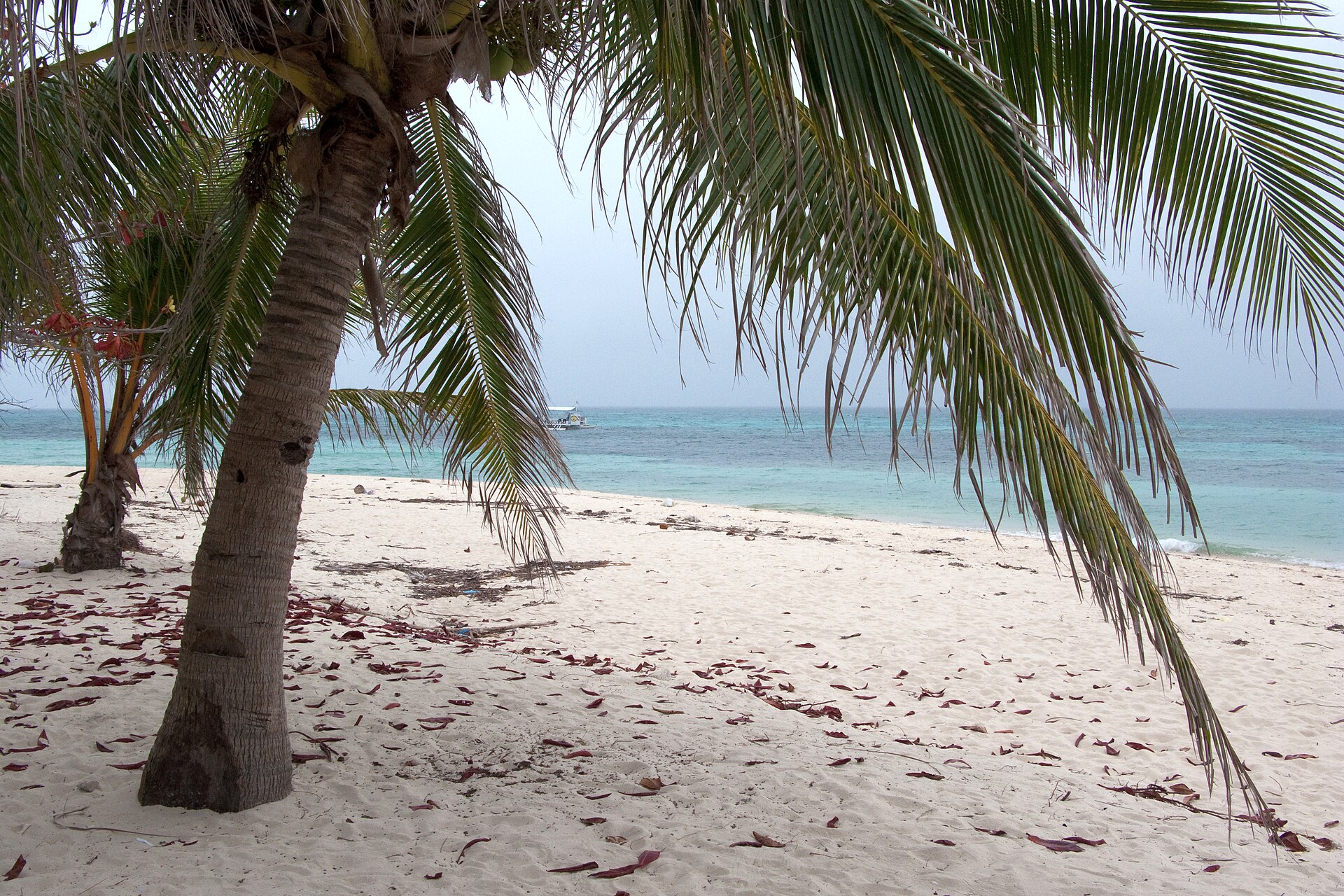
- June: about 32°C, rain about 181 mm over roughly 13 days. The rains arrive, but mornings are often fine. Fewer tourists and lower prices.
- July: about 32°C, rain about 211 mm over roughly 15 days, one of the wettest months. Waterfalls such as Kawasan are full and strong. Check conditions before canyoneering, because heavy rain can make rivers unsafe and tours may be cancelled.
- August: about 32°C, rain about 158 mm over roughly 13 days. A mixed month: some good spells and some grey days. Boat trips may be cancelled when the sea is rough.
- September: about 32°C, rain about 190 mm over roughly 14 days. A quiet month and good for budget travellers. Keep your plans flexible.
- October: about 31°C, rain about 208 mm over roughly 15 days, among the wettest months on the Mactan record. Showers can be heavy, but the island is lush. Typhoons are possible, so read typhoon season travel and buy insurance that covers delays.

November to December: transition and festive season
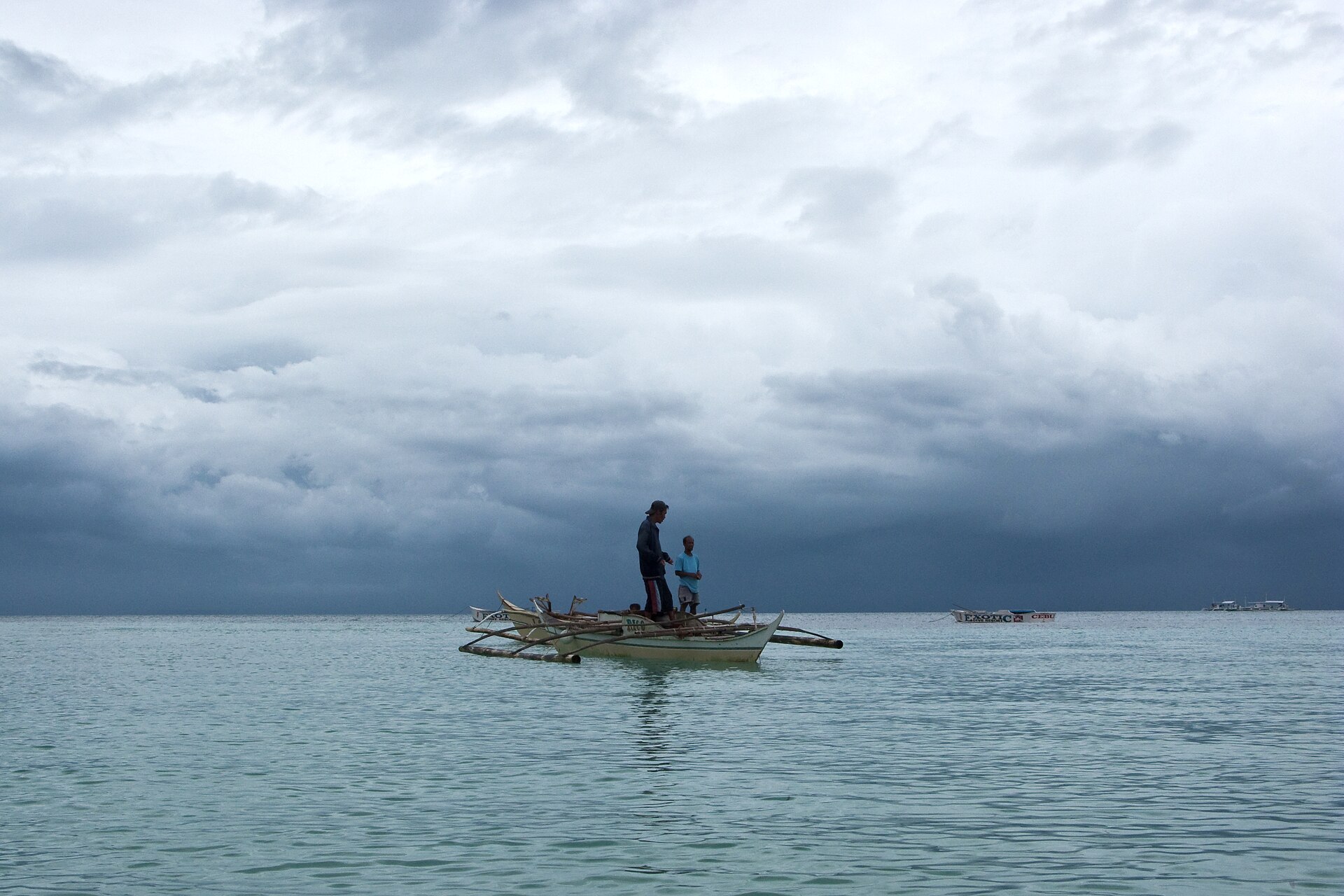
- November: about 31°C, rain about 131 mm over roughly 12 days. Rain eases and the northeast winds begin. It is still a typhoon-risk month in the Visayas, so watch the news. Crowds are light until December.
- December: about 30°C, rain about 172 mm over roughly 14 days. Cooler nights and a festive mood, with Simbang Gabi dawn masses and Christmas lights. Prices and crowds peak from about 20 December to 5 January. Sea conditions on the east coast can be rough.


Sea conditions by coast
- West coast (Moalboal, Badian): sheltered from the northeast winds, so it is often calm in the cooler months. The sardine run is reported all year. See Moalboal.
- East coast (Oslob, Mactan side): can be rougher from November to March, but mornings are usually calm. Whale shark trips at Oslob go out in the early morning and are reported year-round.
- North (Malapascua, Bantayan): the northeast monsoon makes crossings choppier, so check boat schedules. See Malapascua and Bantayan.
- Diving: possible all year, with the best visibility often in the drier months. See diving in Cebu.

Typhoons: what to know, without panic
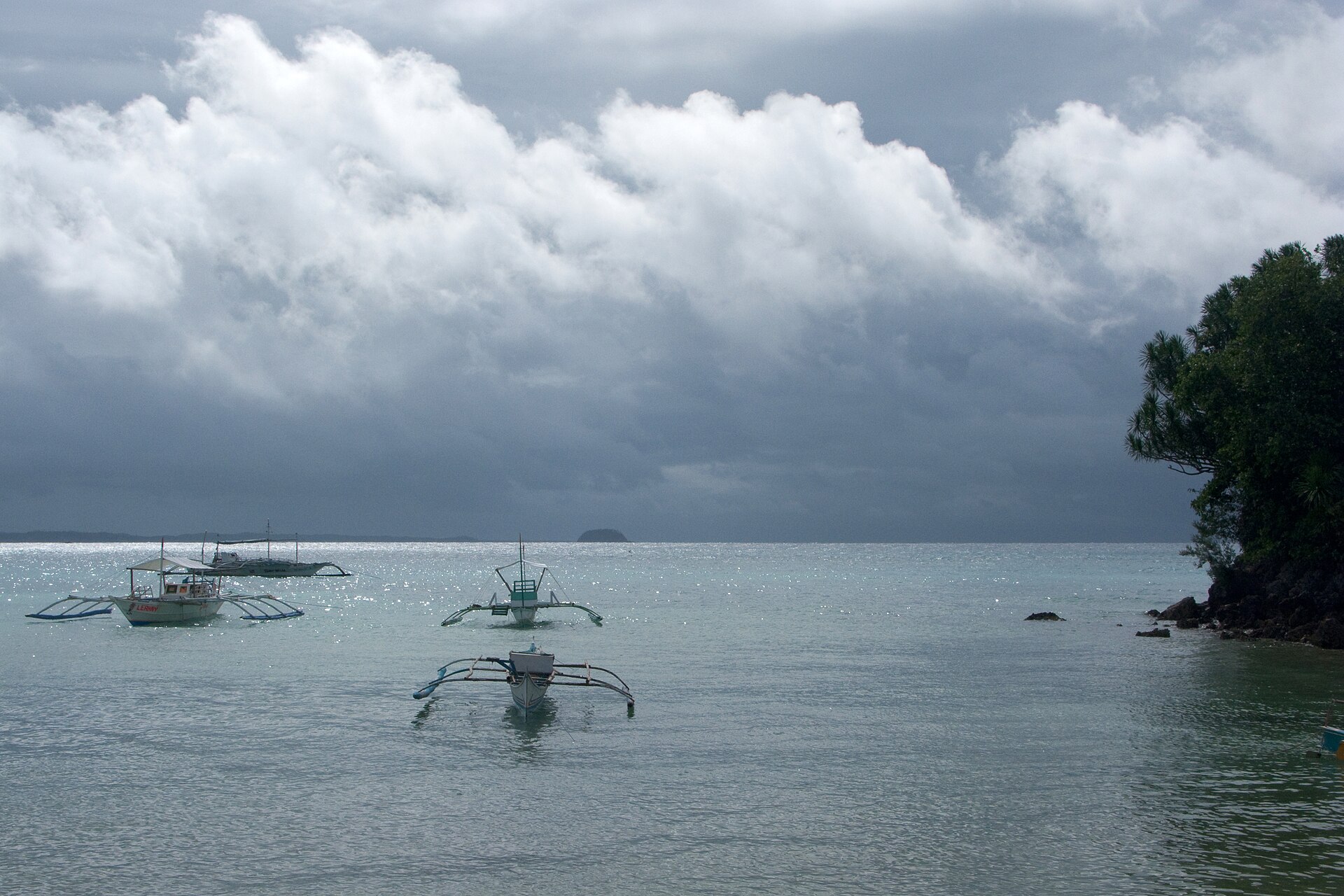
The Philippines gets about 20 tropical cyclones a year, but Cebu sits south of the busiest paths and most pass elsewhere. Strong storms do happen, though. Typhoon Yolanda (Haiyan) in November 2013, Odette (Rai) in December 2021 and Tino (Kalmaegi) in November 2025 all affected the Visayas, and Tino brought deadly flooding to parts of Cebu. Late in the year is not safe from storms.
- Check PAGASA bulletins and local news in the days before travel, not months ahead.
- Book refundable rooms and flexible flights in the wetter months.
- Follow instructions from your hotel and local authorities. Boats stop when the coast guard says so.
- Avoid rivers, canyons and the coast when heavy rain is forecast.
So when should you go?
- Best weather: February to May, with March and April the driest.
- Best value and fewer people: June to September, if you accept some rain.
- Best for culture: January for Sinulog, or see all the dates in Cebu festivals.
- Pack for rain in any month. See the packing list.
Ready to plan? Try our 5-day itinerary or read the first-time tips.
Photo: "Children playing on Panagsama beach" by Paul Grach, via Wikimedia Commons, licensed under CC BY 2.0.

Use this page
Writing about this trip, or planning one? Copy a link or citation in one tap, or print this page to take with you.
See what gets copied
- Link code
<a href="https://touristbooklet.com/cebu-weather-by-month/">Cebu weather month by month - Tourist Booklet</a>- Citation
- Cebu weather month by month. Tourist Booklet. Last updated 21 October 2026. https://touristbooklet.com/cebu-weather-by-month/
From Tourist Booklet: https://touristbooklet.com/cebu-weather-by-month/. Last updated 21 October 2026. Prices and times change, so check before you go.