Philippine Tarsier Sanctuary, Corella
Meet a tiny big-eyed tarsier in a quiet Bohol forest: a short guided walk at a conservation sanctuary in Corella, with strict no-flash and no-touching rules.
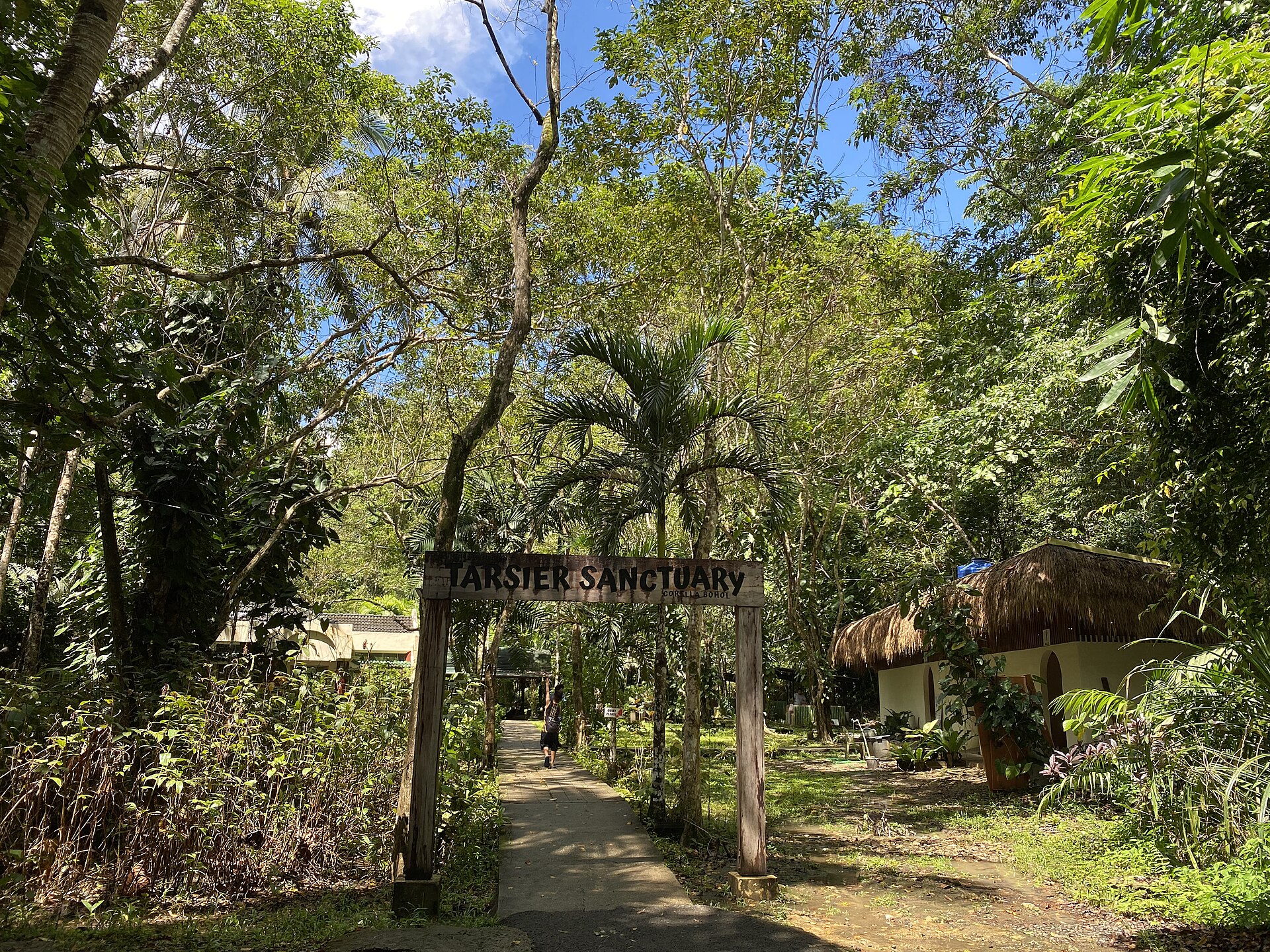
The Philippine Tarsier Sanctuary is a small forest reserve in Corella, Bohol, about 14 km from Tagbilaran City. It protects the Philippine tarsier (Carlito syrichta), a tiny, big-eyed, night-active primate that is found only in the southern Philippines. A visit is short, quiet and low-key, and that is the point: this is a conservation site first and a tourist stop second.
Why go to the Tarsier Sanctuary
- See tarsiers resting in the trees by day, from a respectful distance.
- Visit a sanctuary run by the Philippine Tarsier Foundation, a non-profit set up in 1996 to protect the animal and study it.
- Learn why tarsiers need quiet, shade and space.
- It is only 20-30 minutes from Tagbilaran, so it fits neatly into a day with the Chocolate Hills and the countryside.
About the tarsier
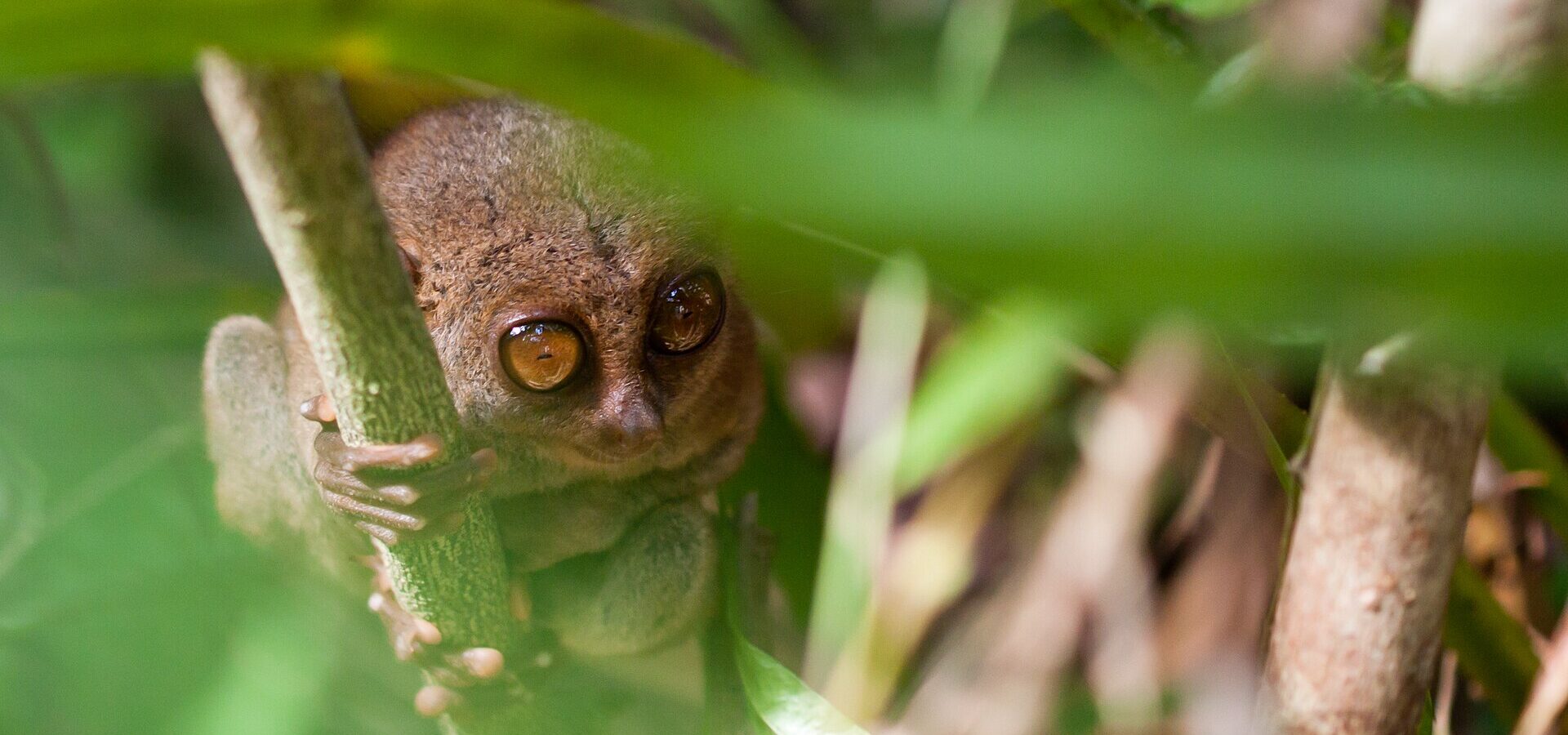
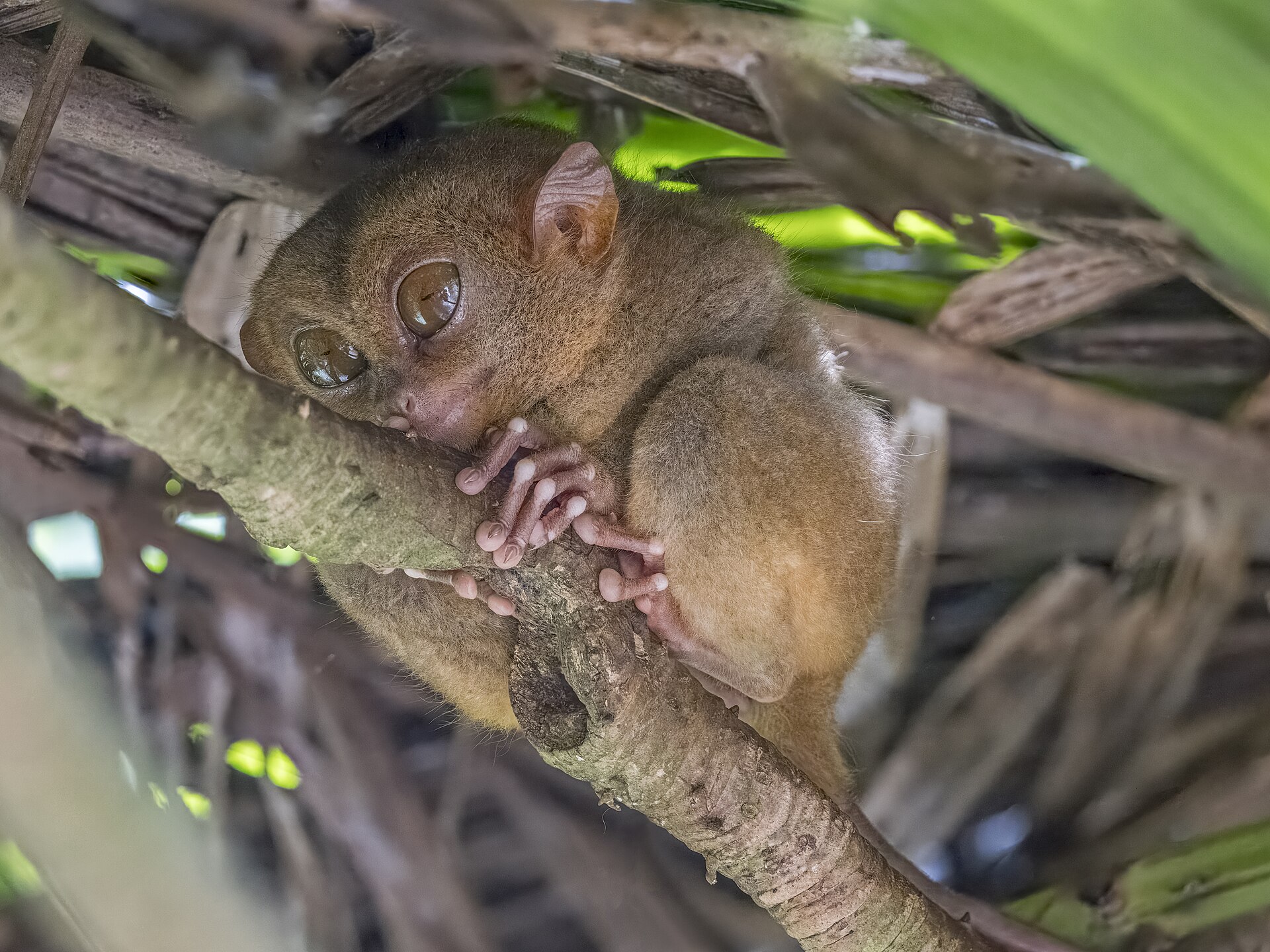
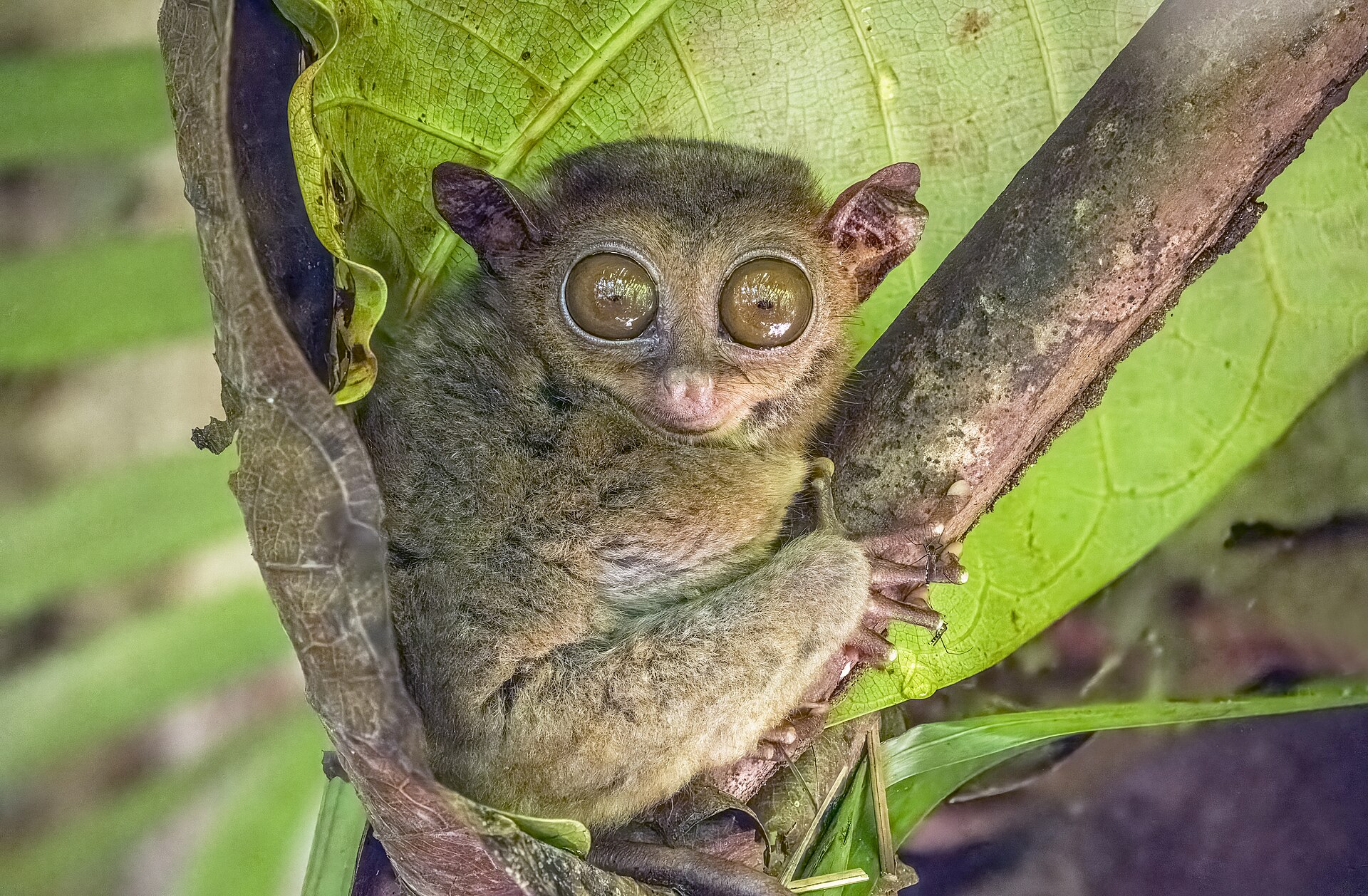
The Philippine tarsier is about the size of a fist, with huge round eyes, long fingers and a long tail. It hunts insects at night, and in the day it sleeps clinging upright to a branch or hiding in leaves. Its eyes are so large that they cannot move in their sockets, so it turns its head almost all the way round instead. It is listed as Near Threatened and is a specially protected species under Philippine law.
Tarsiers are shy and easily stressed. Loud noise, bright light and handling can upset them badly, and many do not survive long in captivity. That is why the rules below matter so much.
What to expect at the sanctuary
The visitor centre and guided walk
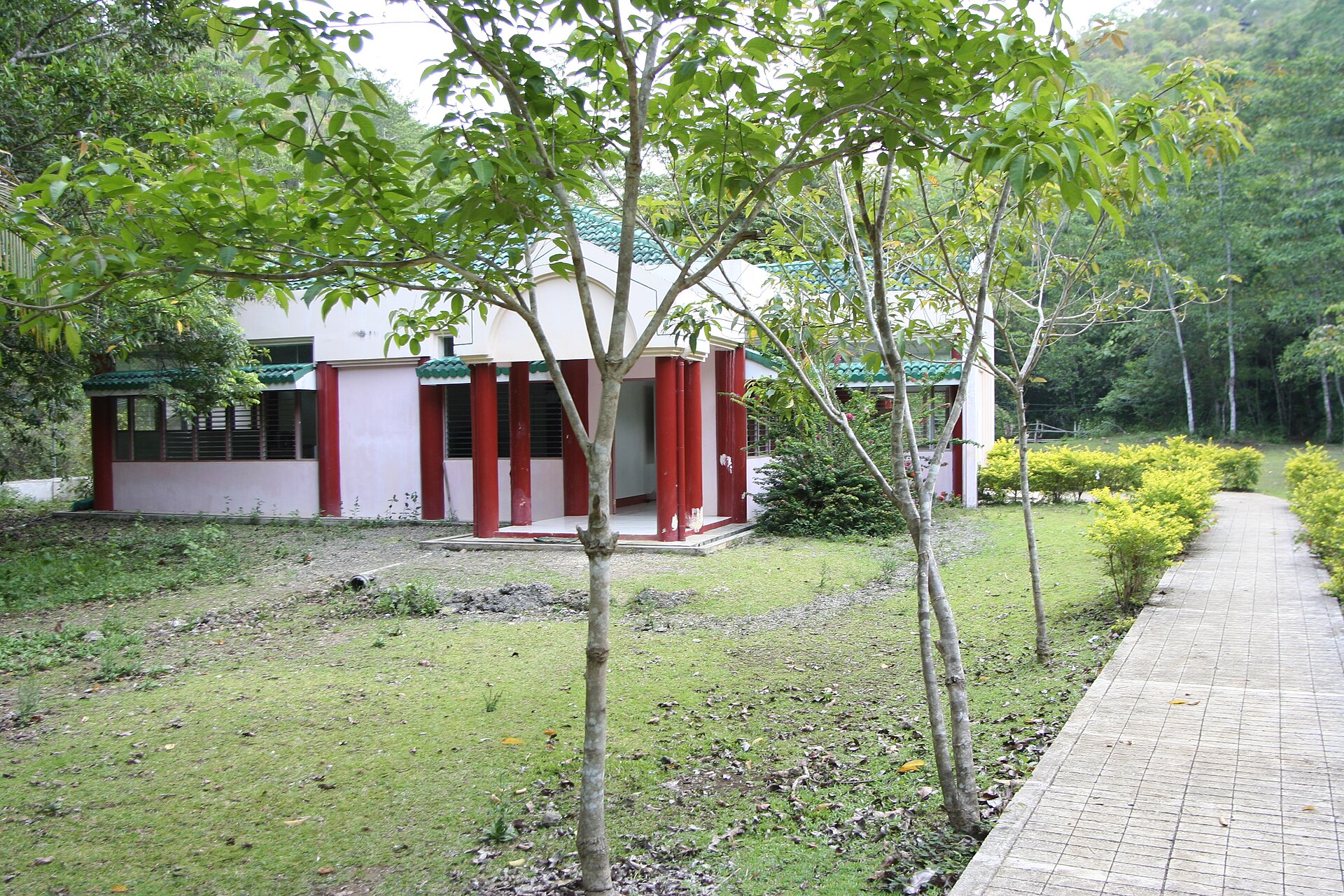
You pay a small entrance fee and then walk in with a guide from the sanctuary. The path is short and shaded, and the guide points out where the tarsiers are sleeping. The animals are free to move, so you may see only a few; they are often well hidden. Most visits last roughly 30-60 minutes (reports vary, so allow about an hour). Take your time and listen to your guide.
The rules
- No flash and no bright lights. Turn your flash off before you go in.
- Keep your voice low and stay quiet.
- Do not touch, hold or poke a tarsier, or try to make it move.
- Stay on the path with your guide and keep your distance. Don't crowd round one tree.
- Follow the signs and your guide's instructions on the day.
Entrance fee and hours
Reports differ. Older sources mention about ₱60-₱80, and some recent travel blogs mention about ₱170, usually cash only (estimates, 2025-2026). Opening hours are also reported differently, mostly from about 8 or 9 am to 4 or 5 pm, daily. Check with your driver or the Bohol tourism office before you go, and bring small bills.
A note on other tarsier attractions
Bohol has more than one place to see tarsiers, and they are not all the same. The sanctuary in Corella keeps its tarsiers in a forest and asks visitors to stay quiet and not touch. We suggest choosing places like this one, where the animals are left alone, and avoiding any place that lets visitors hold tarsiers or take flash photos. If someone offers you a tarsier to hold, say no thanks.
Where is Philippine Tarsier Sanctuary, Corella?
Corella, Bohol
Directions open in Google Maps, starting from where you are. Its travel times are estimates, and ferries and island boats may not be included.
Getting there from Cebu
- Go to the Cebu City port and take a fast ferry to Tagbilaran. The crossing usually takes about 2 hours, with several departures a day. Our Cebu to Bohol ferry guide has operators, fares and tips.
- From Tagbilaran port, take the road towards Corella and Loboc. The sanctuary is about 14 km away, roughly 20-30 minutes by car (estimate, 2025-2026).
- The easiest way is a hired car and driver, or a tour that also stops at Loboc and the Chocolate Hills. A tricycle or habal-habal is possible; agree on the price and waiting time first, and expect very roughly ₱300-₱500 for a return trip (estimate, check locally).
- Ask your driver to wait, as rides back are not always easy to find.
If you are staying on Panglao, count on about 45-60 minutes each way.
Getting around
Most visitors combine the sanctuary with other stops along the same road. Hire a driver for the day, or join a Bohol countryside tour that picks up at your hotel. Our Chocolate Hills guide covers the loop through the inland towns.
Nearby stops
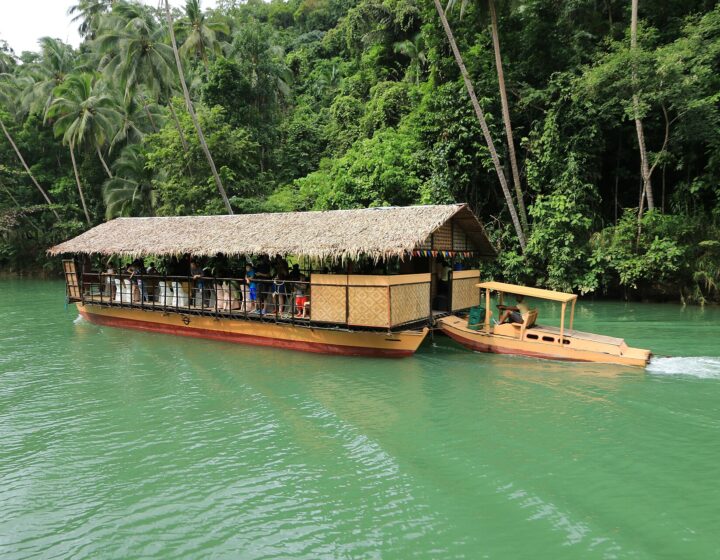
- Loboc, a quiet river town with an old stone church, and the Loboc River cruise.
- The Chocolate Hills, further inland.
- Corella town itself, small and friendly, with a church and a market.
- Panglao for beaches, snorkelling and diving afterwards.
Where to stay and eat
Most people stay in Tagbilaran or on Panglao and come out for the morning. There are a few quiet stays near Loboc if you want to be inland. For food, stop in Corella or Loboc for simple Boholano meals, or have lunch on the river cruise.
When to go
The sanctuary is open all year. Mornings are usually best, because the tarsiers are settled in their resting places and the forest is cooler. The dry months, from about December to May, are the easiest for travel. In the rainy season the paths can be muddy, so wear shoes with a good grip.
Tips for a good trip
- Turn off your flash and any phone torch. Leave drones and selfie sticks behind.
- Whisper, move slowly and never touch tarsiers or the branches they sit on.
- Bring cash for the entrance fee, and use insect repellent.
- Wear closed shoes and light clothes, and carry water.
- Smaller groups see more and disturb less. Wait your turn at each viewing spot.
- Don't buy tarsier souvenirs, and never ask for a tarsier to be moved for a photo.
- Check the weather and the ferry schedule the day before you go back to Cebu.
Planning the crossing? Read our Cebu to Bohol ferry guide, then add the Loboc River cruise and the Chocolate Hills. Want beaches too? See Panglao.
Photo gallery
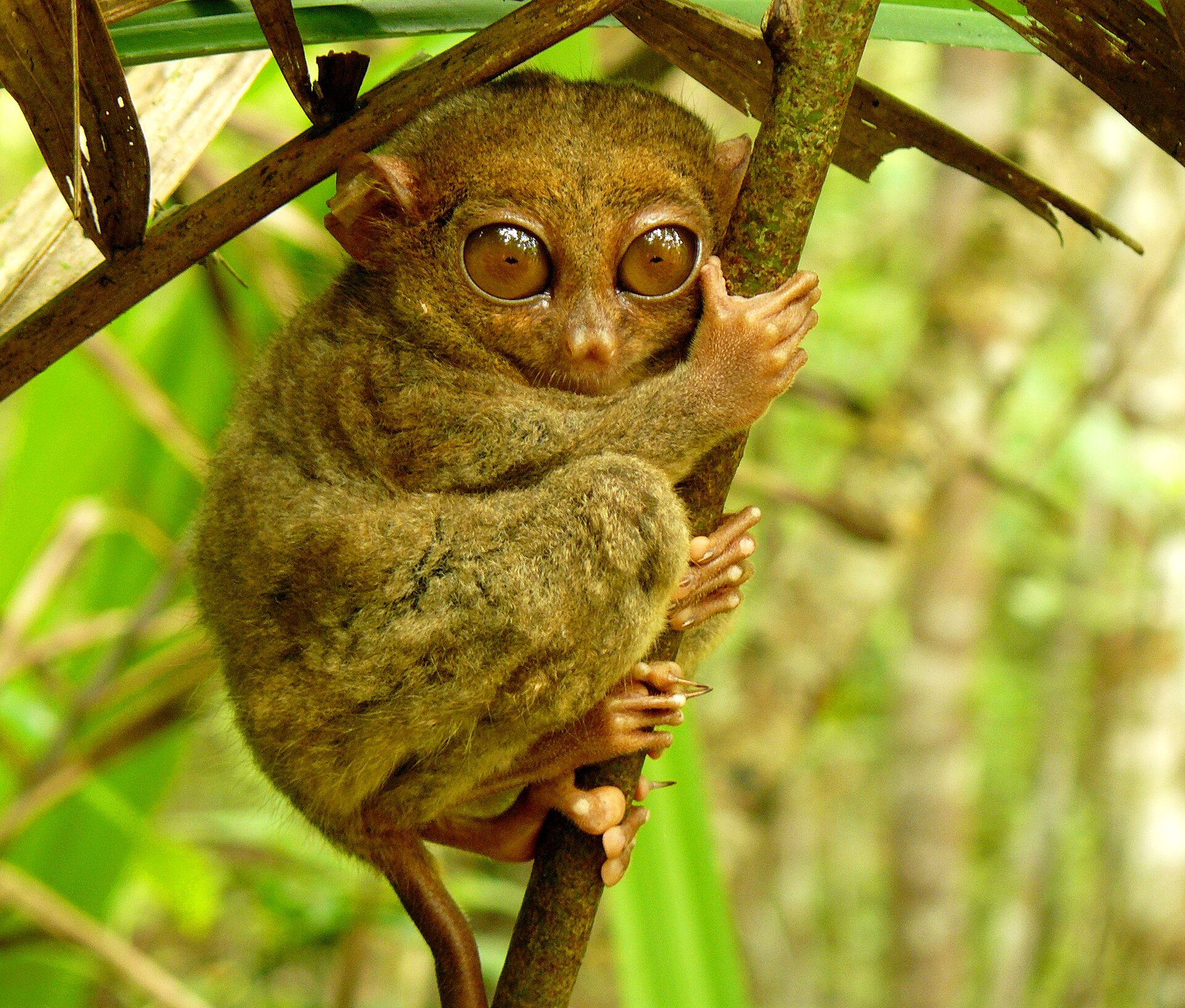
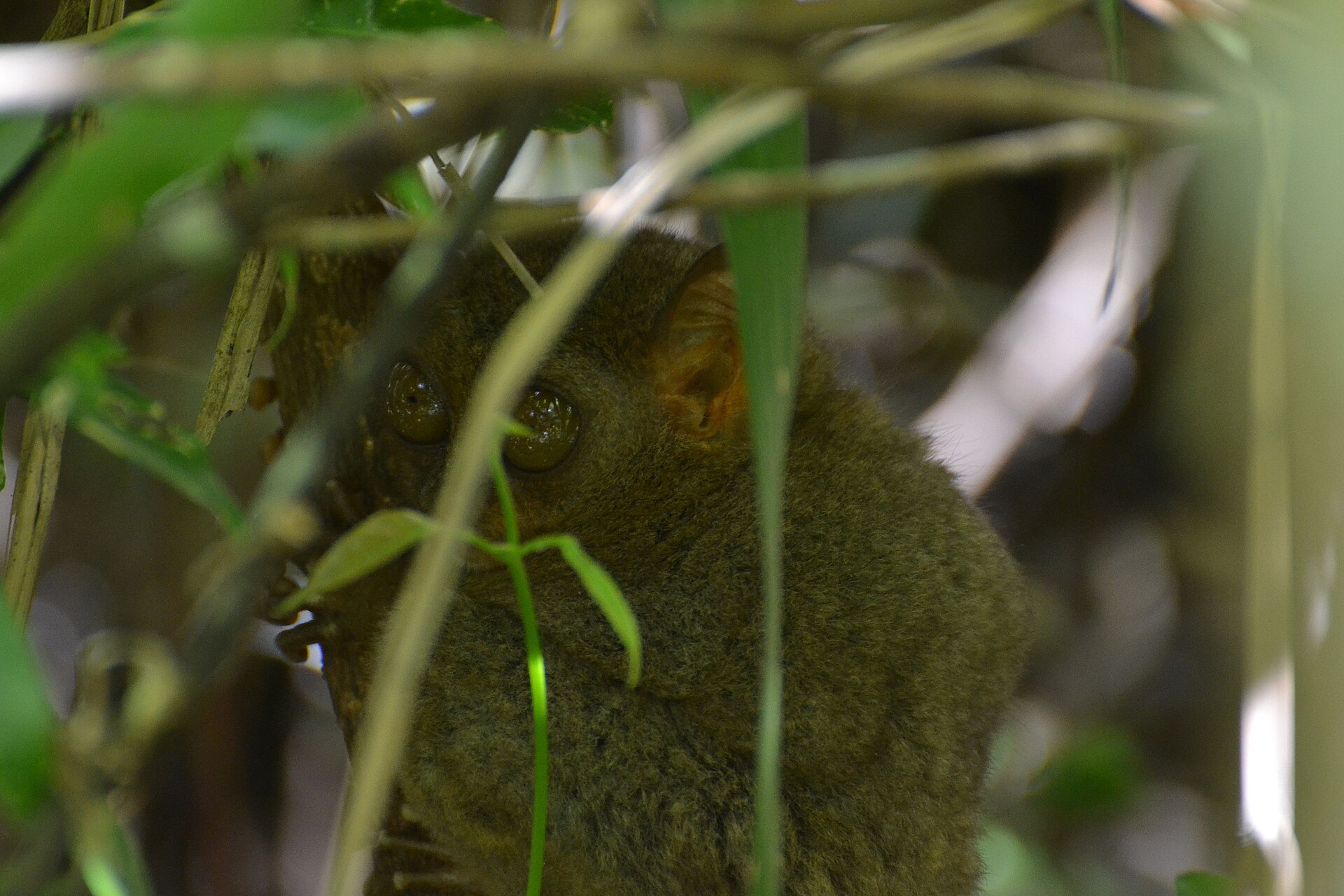
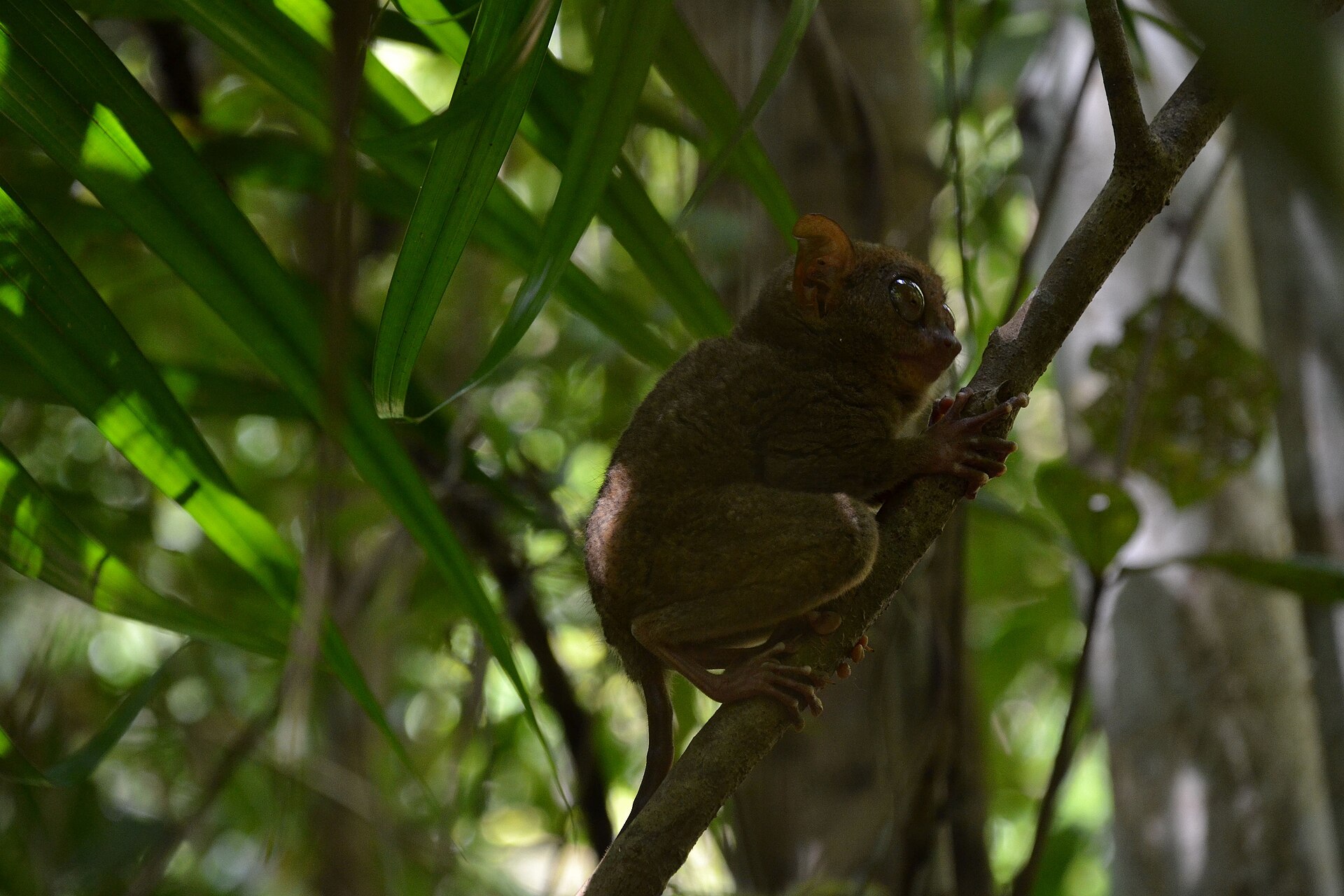
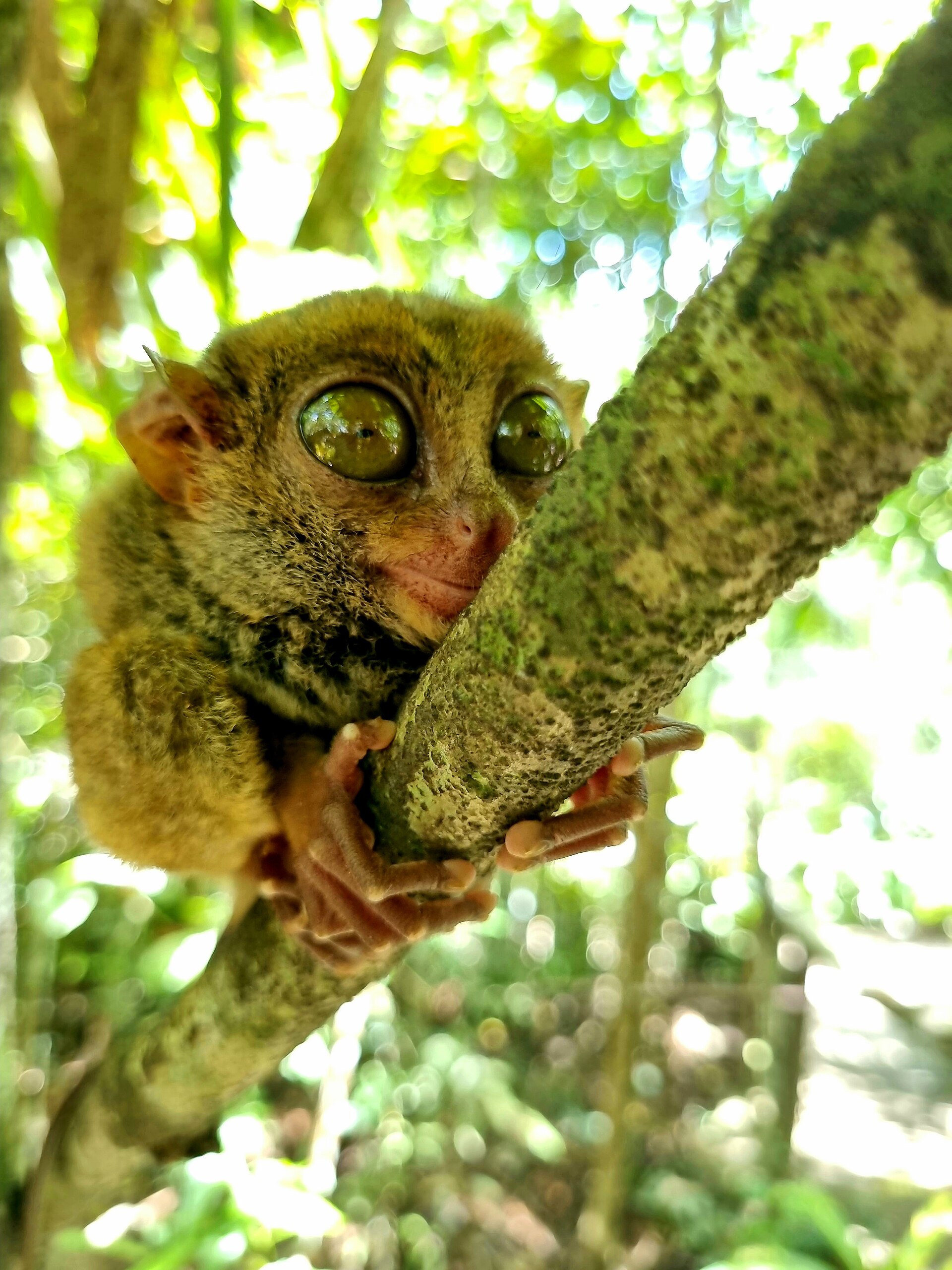
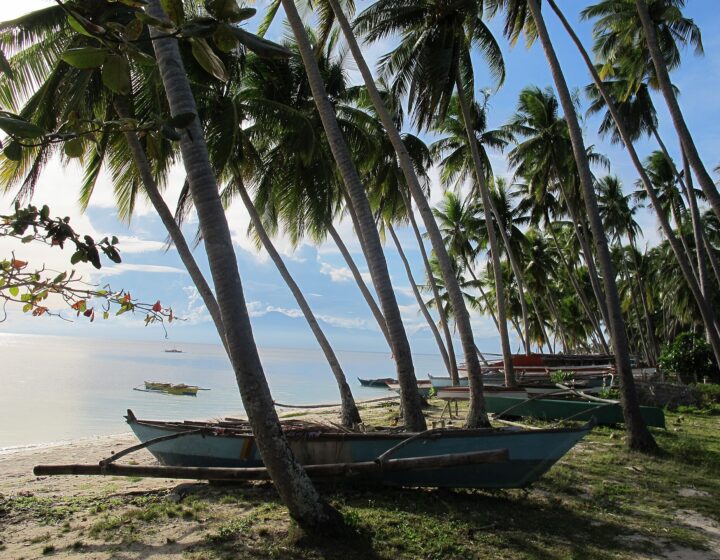
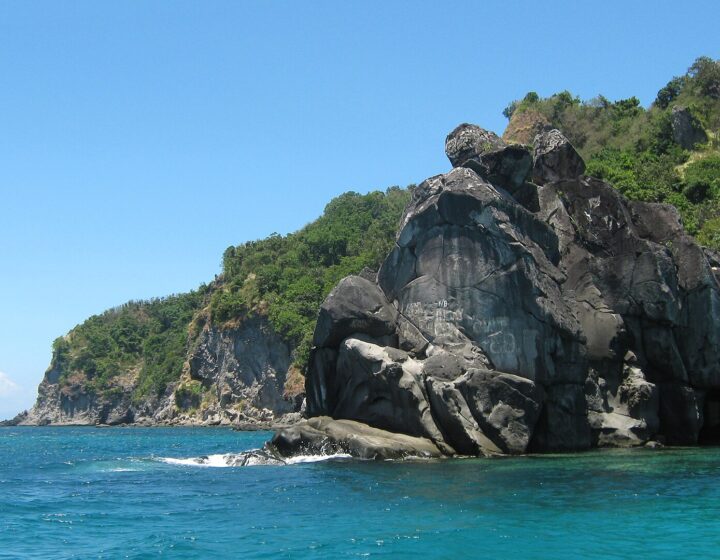
Tap a photo to see it full size. Gallery photos come from Wikimedia Commons; each photographer's credit shows when you open the photo.
Photo: "Philippine tarsier" by Killyridols, via Wikimedia Commons, licensed under CC BY-SA 3.0.
Last updated October 28, 2026
Use this page
Writing about this trip, or planning one? Copy a link or citation in one tap, or print this page to take with you.
See what gets copied
- Link code
<a href="https://touristbooklet.com/destinations/tarsier-sanctuary/">Philippine Tarsier Sanctuary, Corella - Tourist Booklet</a>- Citation
- Philippine Tarsier Sanctuary, Corella. Tourist Booklet. Last updated 28 October 2026. https://touristbooklet.com/destinations/tarsier-sanctuary/
From Tourist Booklet: https://touristbooklet.com/destinations/tarsier-sanctuary/. Last updated 28 October 2026. Prices and times change, so check before you go.