Twin Lakes, Negros Oriental
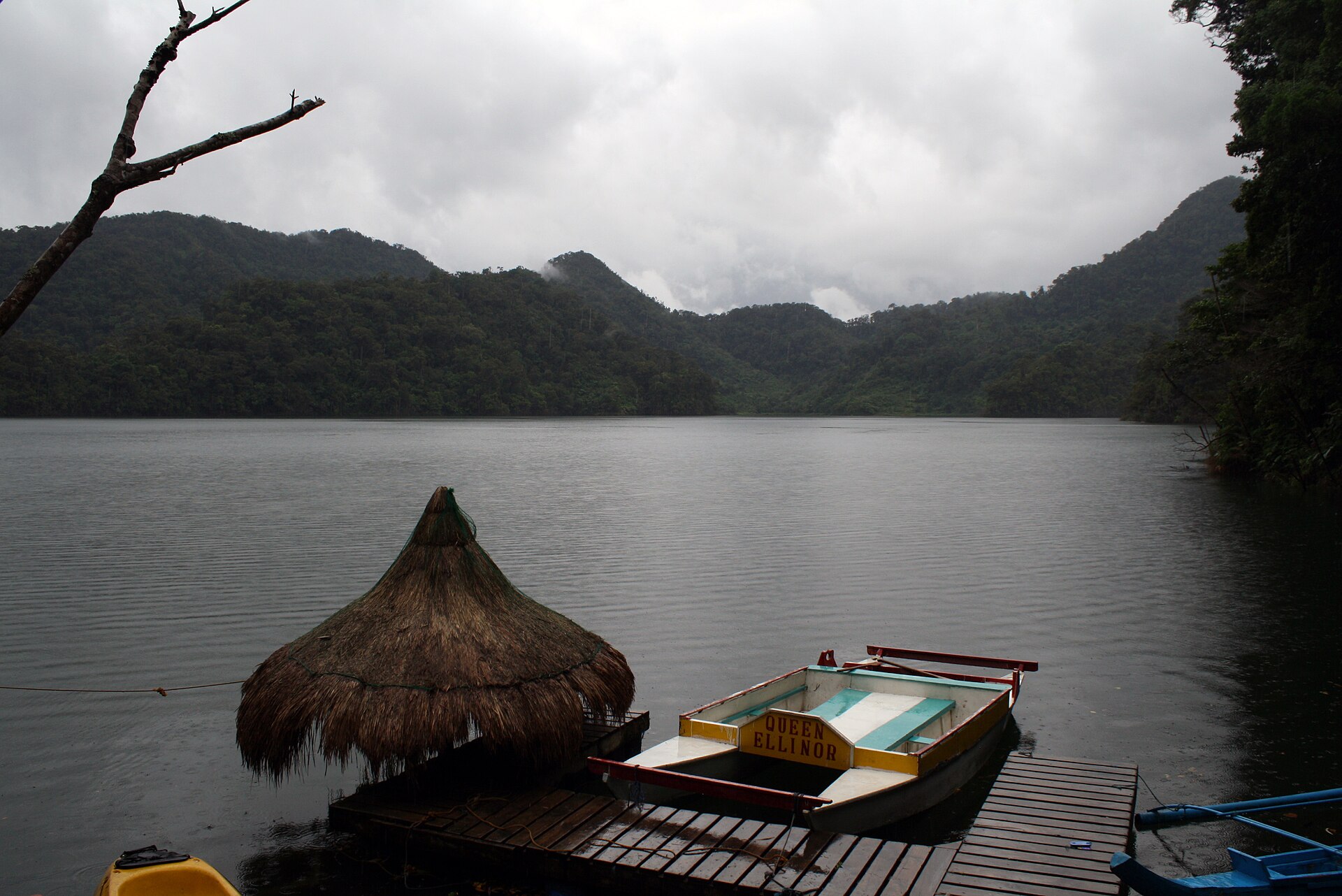
Two misty crater lakes high above Dumaguete, wrapped in rainforest. Paddle a kayak, ride a small boat, walk quiet trails and breathe cool mountain air.
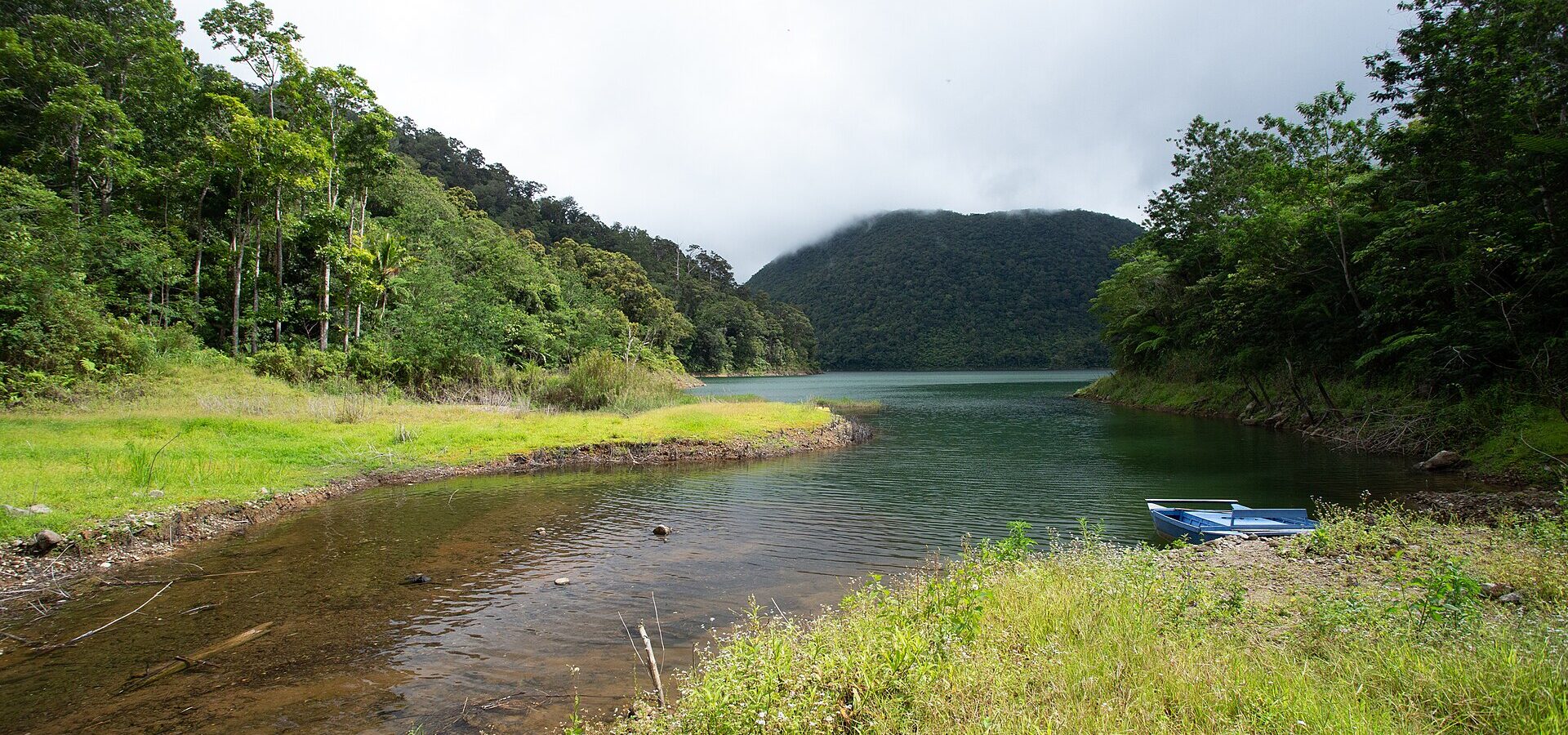
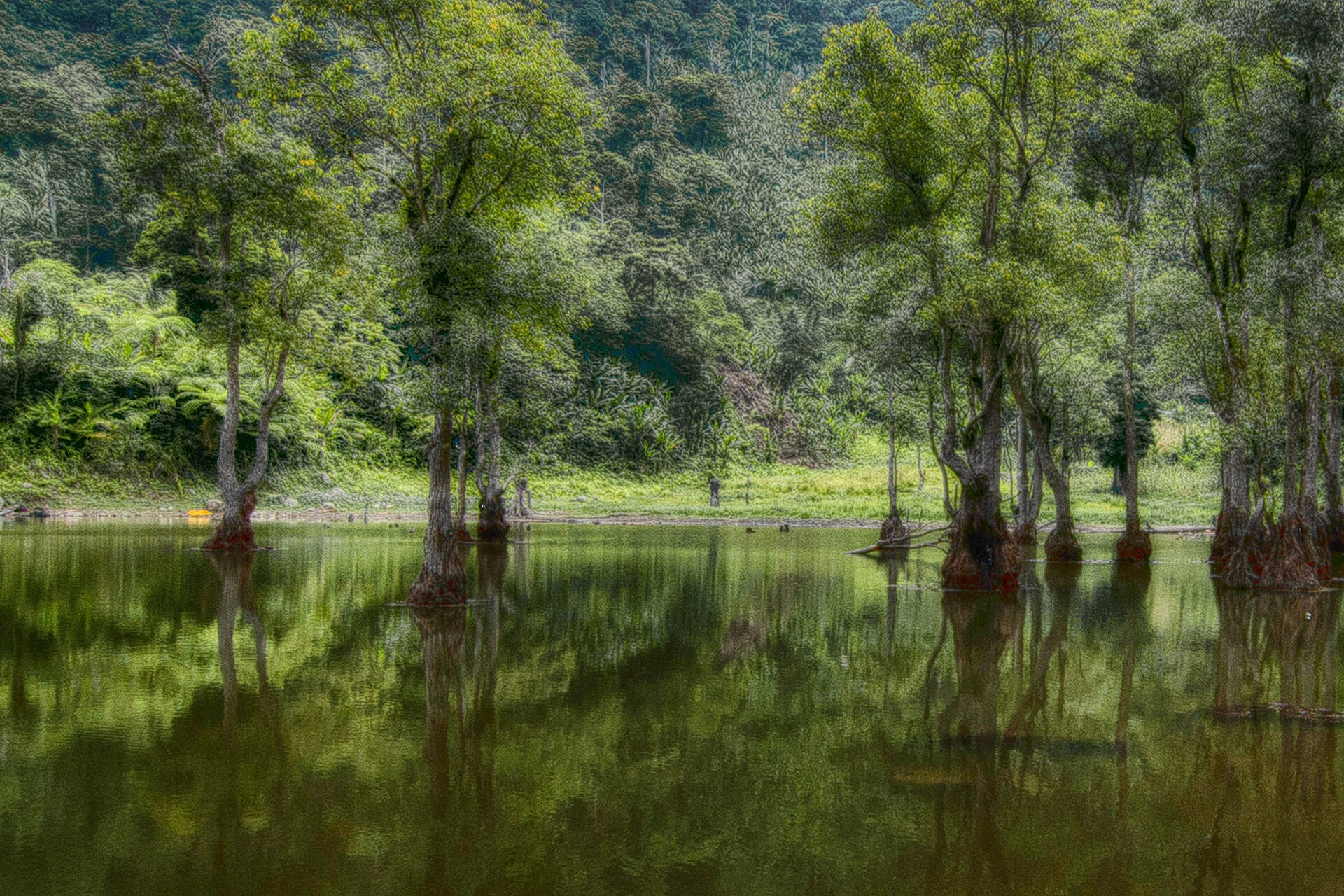
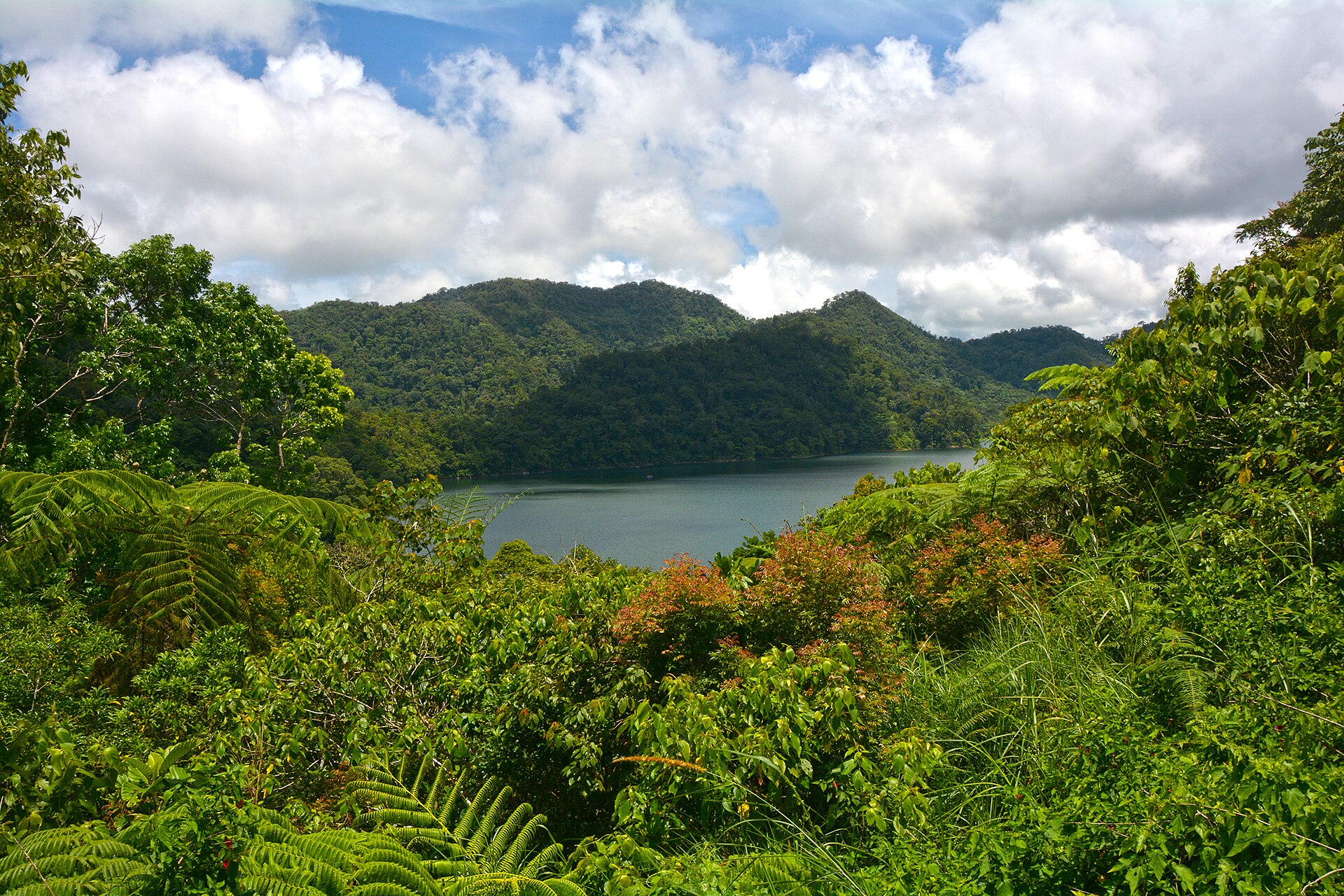
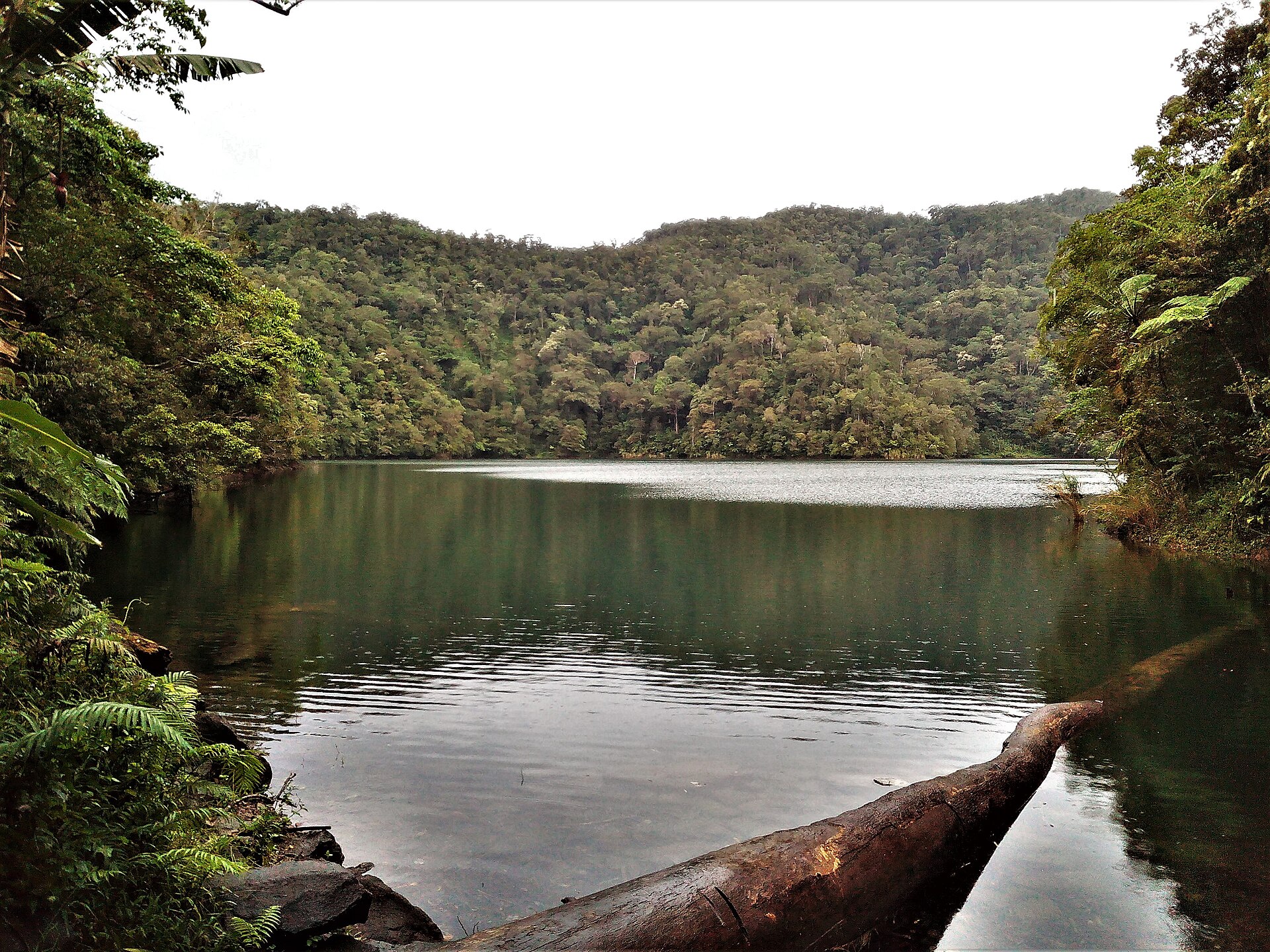
High in the mountains behind Dumaguete lie two calm lakes inside the Balinsasayao Twin Lakes Natural Park: Lake Balinsasayao and the smaller Lake Danao. They sit in old volcanic craters at roughly 830-850 metres above sea level, so the air is cool, the hills are often wrapped in cloud, and the forest comes right down to the water. It is one of the easiest and most peaceful nature escapes on Negros, and a lovely side trip from Dumaguete.
Why go to the Twin Lakes
- Two lakes, one park. Balinsasayao is the larger one (about 76 hectares), Danao the smaller (about 30 hectares). They are separated by a forested ridge.
- Cool, quiet and green. It feels very different from the beaches of the coast, and a light jacket is welcome.
- Easy activities: a small boat ride, kayaking and short forest trails, all at a relaxed pace.
- Wildlife. The park is a protected watershed with more than 100 recorded bird species, including some very rare Negros birds, plus bats, deer and wild pigs you are unlikely to see.
About the park
The park covers about 8,000 hectares across the municipalities of Valencia, Sibulan and San Jose. It was declared a protected area in 2000 and is managed by the Department of Environment and Natural Resources (DENR) with a local protected area management board. It matters far beyond its looks: it feeds several rivers that supply water to southern Negros Oriental.
Do not mix it up with other lakes of the same name. This Lake Danao is in Negros Oriental, not Lake Danao in Ormoc, Leyte, and not Danao in Cebu.
Things to do at the Twin Lakes
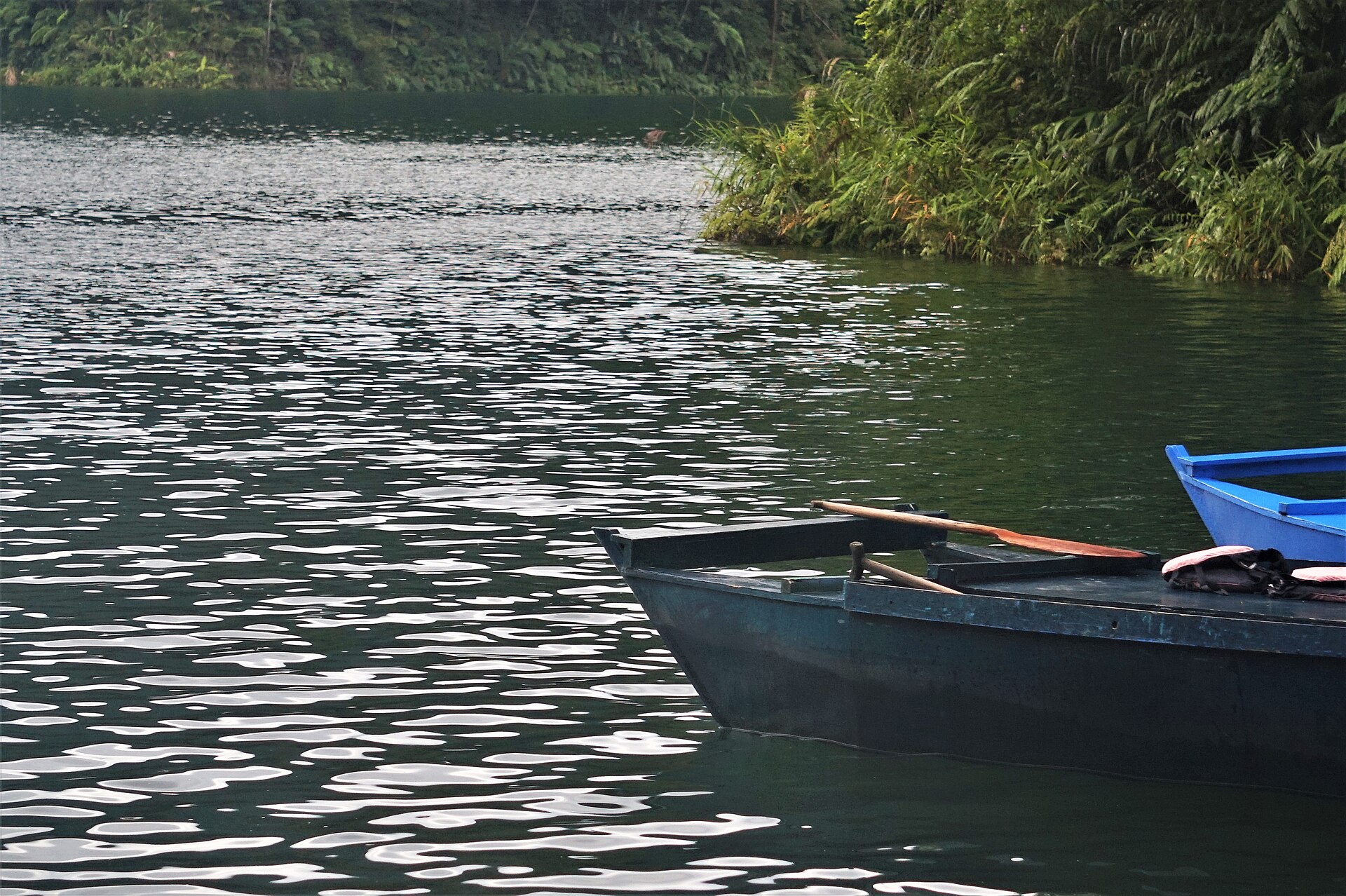
Start at Lake Balinsasayao, where the main visitor area, the jetty and the small boats are. A paddle boat or kayak ride on the still water, with mist drifting over the trees, is the highlight for most people. Rates reported in recent years were roughly ₱150 an hour for a kayak and about ₱250-₱350 an hour for a small boat shared by a few people. Always check the posted rates and wear the life vest provided.
The park has forest trails of different lengths, with a local guide at a small fee for a group. Walk quietly in the early morning for the best chance of hearing hornbills and other forest birds. Bring binoculars if you have them. There is a small picnic area and simple food stalls, but do not count on a wide menu, so bring snacks and water.
Lake Danao is a short trip from Balinsasayao and is quieter. Ask the park staff about the current route and what is open that day, since conditions change after heavy rain. Some visitors also camp near the lakes with their own gear, but you need to check the rules and permission first.
Where is Twin Lakes, Negros Oriental?
Sibulan, Negros Oriental
Directions open in Google Maps, starting from where you are. Its travel times are estimates, and ferries and island boats may not be included.
Getting there from Cebu
There is no direct way from Cebu to the lakes. You travel to Dumaguete first, then go up the mountain. All times and prices are rough estimates from 2025-2026 sources, so check on the day.
- Take a bus from the Cebu South Bus Terminal to Liloan in Santander, or a direct bus to Dumaguete if one is running. See Cebu to Dumaguete overland and our bus terminals guide.
- Cross by RoRo ferry from Liloan to Sibulan. It takes about 30-60 minutes. Dumaguete is roughly 30 minutes further by bus, jeepney or van. All told, expect about 6-7 hours from Cebu City.
- Or fly from Cebu to Dumaguete, about 1 hour by air when flights are running. Check the airlines, and see Cebu to Dumaguete and Siquijor for all routes.
- From Dumaguete, allow about 1 hour to the park gate. Options are a shared van or multicab towards San Jose, or a bus or jeepney to the junction in San Jose and then a motorcycle taxi (habal-habal) for the last 30-45 minutes. Hiring a car or van with a driver is the easiest way. Use habal-habal drivers who are accredited by the local tourism group.
- Pay the entrance fee at the gate, then walk or ride to the lakeshore.
Because the trip from Cebu is long, it is best to sleep one night in Dumaguete and go up early the next morning. Leave the mountain by mid-afternoon, as the road is steep and mist can roll in.
Getting around
Once inside, everything is on foot or by boat. The road up from the coast is paved but steep and curvy. Take it slowly, especially on a motorbike, and avoid it after dark or in heavy rain.
Where to stay and eat
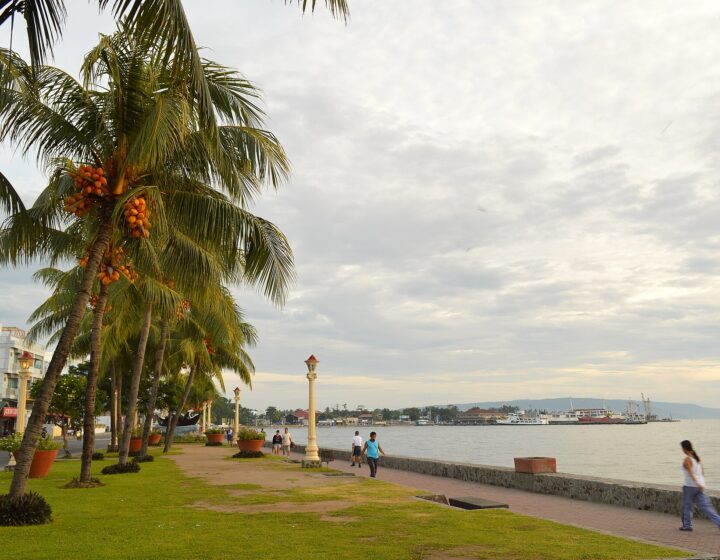
Most travellers stay in Dumaguete, a friendly university city with cafes, seafood and a seaside promenade. Choose a place near the boulevard for easy evenings. See also our Dauin guide for a beach base. Near the lakes there are only a few very simple options, so ask at the park or at the local tourism office before planning to stay overnight. Eat well in Dumaguete before you go, and take a packed lunch if you plan a long day.
When to go
The drier months, from about November to May, are the best time for clear views and safe trails. The lakes are in a rainy mountain zone, so showers can happen at any time of year. After heavy rain the road and trails can be slippery, and in typhoon weather the park may close. The park was reported to be open daily from about 8 am to 5 pm; check before you go. See typhoon season travel for the wider weather picture.
Tips for a good trip
- Entrance fee: about ₱50 for Filipinos and ₱100 for foreign visitors was reported in recent years, with discounts for children, students, seniors and local residents. Check at the gate.
- Bring cash, a light rain jacket, insect repellent, good walking shoes and a refillable bottle.
- Keep to the marked trails, take every bit of rubbish out with you, and never feed or chase wildlife.
- Do not swim in the lakes unless the park staff say it is allowed. Use a life vest on every boat and kayak.
- Phone signal can be patchy in the hills. The park was reported to have free Wi-Fi at the visitor area in 2024, but do not rely on it.
- Go early: the light is softer, the water is calmer and the park is quieter on weekdays.
Pair the lakes with the island trips nearby: Apo Island for snorkelling with turtles and Siquijor for waterfalls and beaches. For the wider plan, read responsible travel in Cebu.
Photo gallery
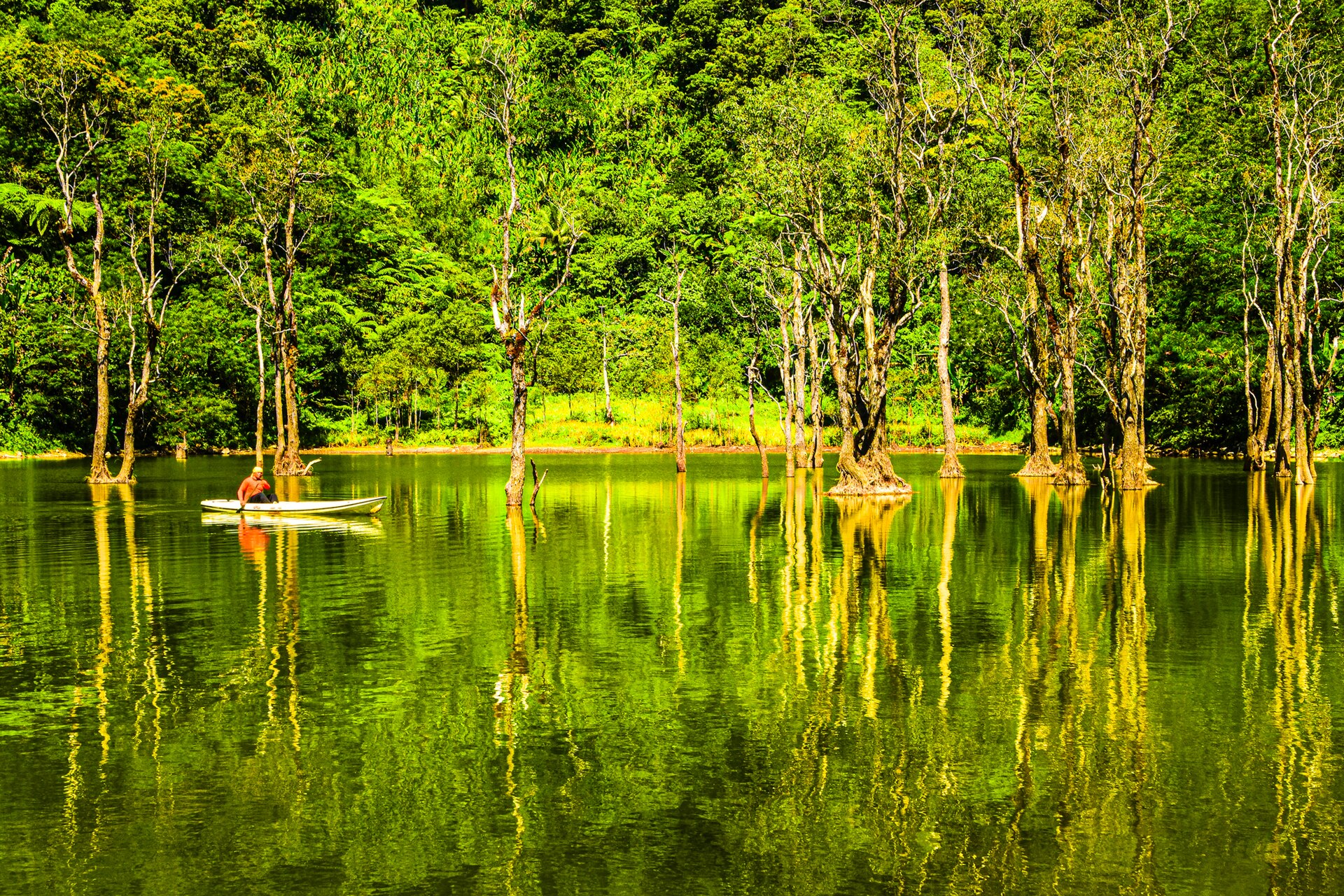
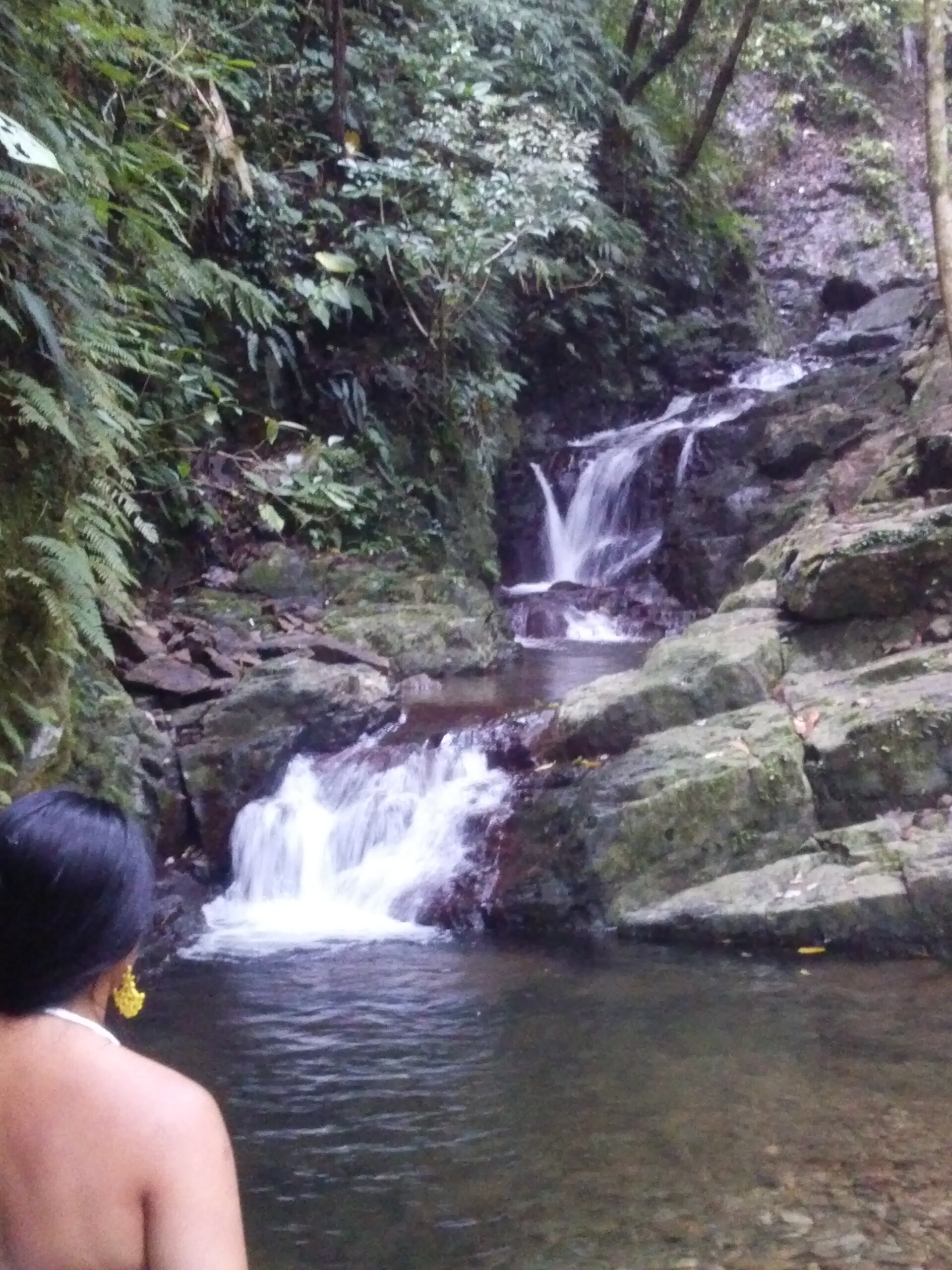
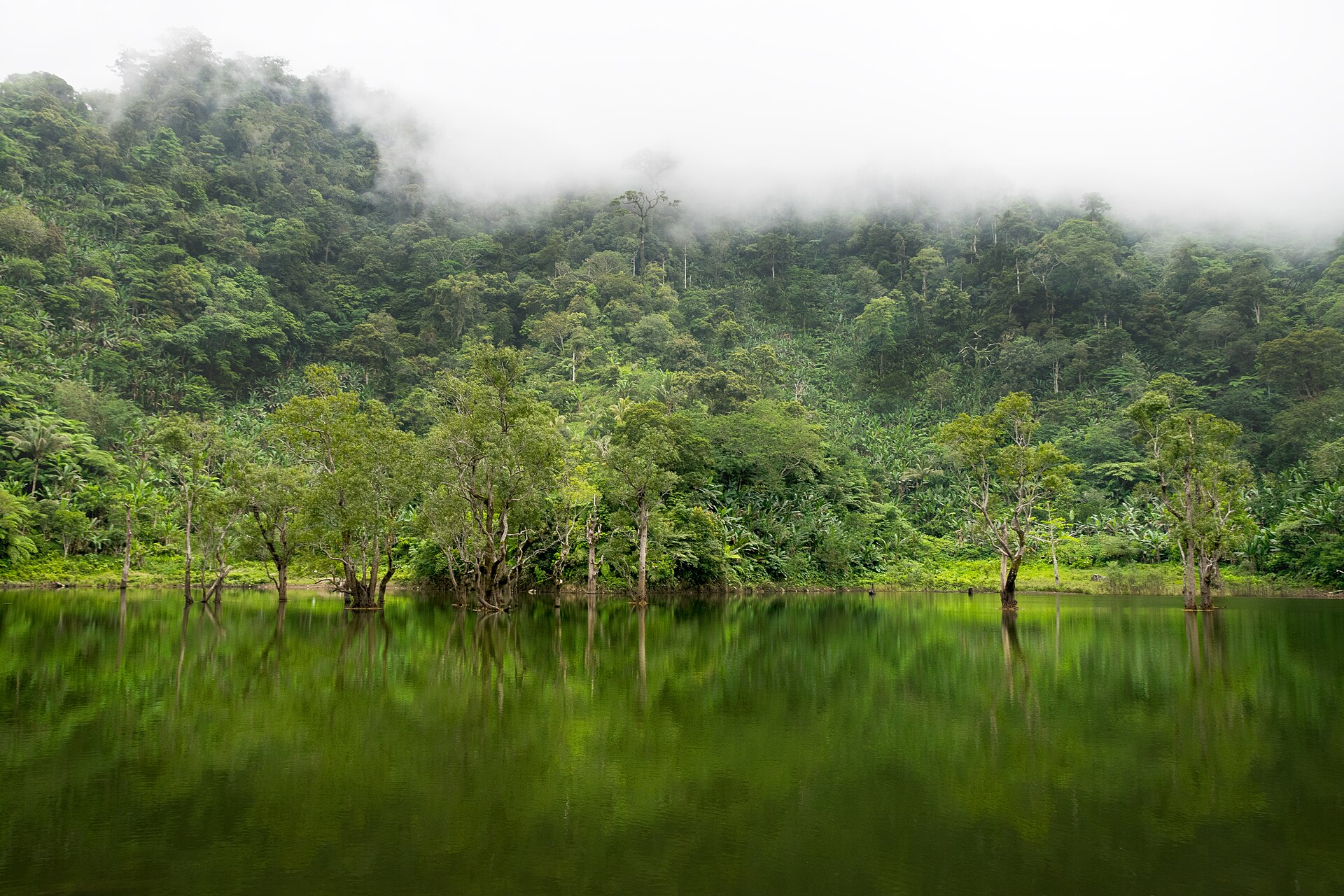
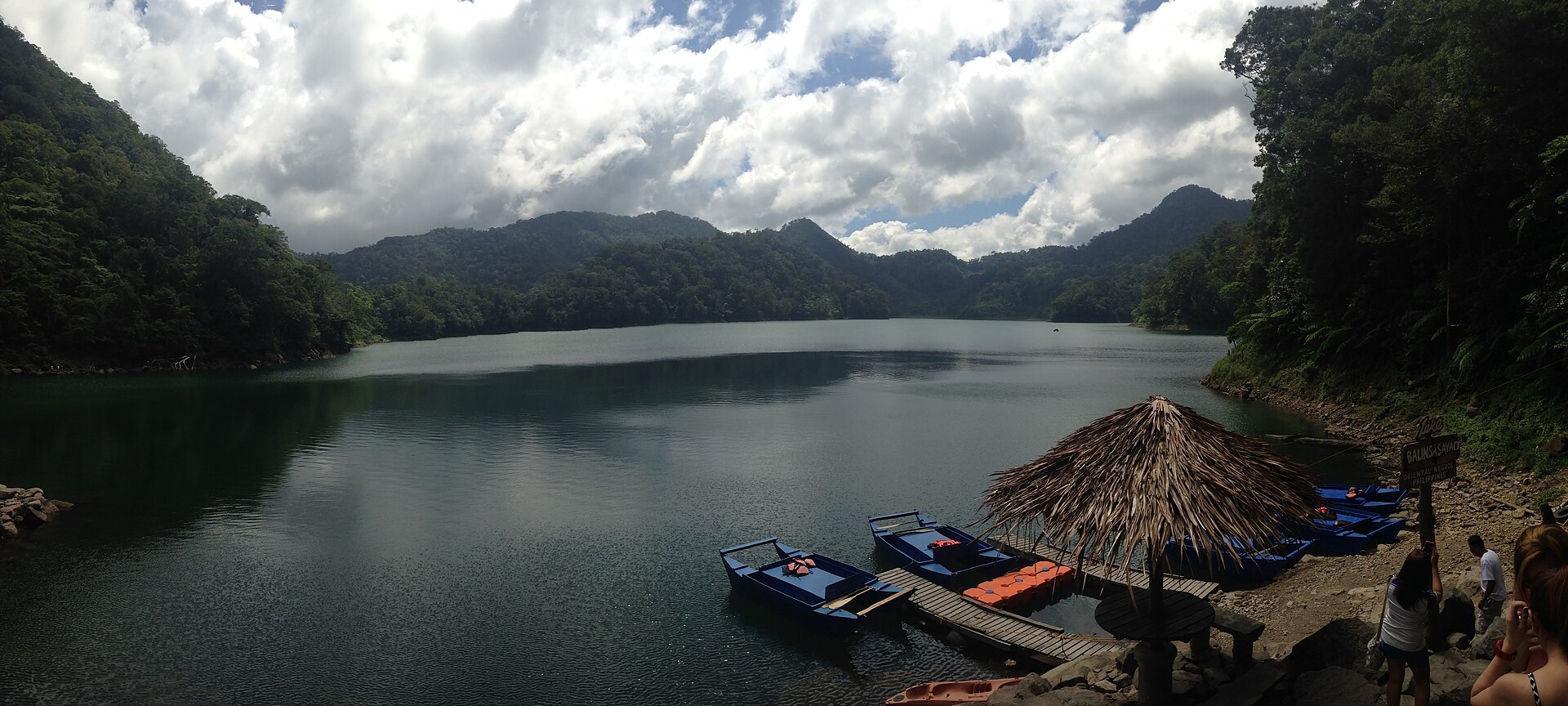
Tap a photo to see it full size. Gallery photos come from Wikimedia Commons; each photographer's credit shows when you open the photo.
Watch before you go
Last updated October 28, 2026
Use this page
Writing about this trip, or planning one? Copy a link or citation in one tap, or print this page to take with you.
See what gets copied
- Link code
<a href="https://touristbooklet.com/destinations/twin-lakes-negros-oriental/">Twin Lakes, Negros Oriental - Tourist Booklet</a>- Citation
- Twin Lakes, Negros Oriental. Tourist Booklet. Last updated 28 October 2026. https://touristbooklet.com/destinations/twin-lakes-negros-oriental/
From Tourist Booklet: https://touristbooklet.com/destinations/twin-lakes-negros-oriental/. Last updated 28 October 2026. Prices and times change, so check before you go.