Tipping, plugs and voltage in the Philippines
Two small questions catch many first-time visitors: how much should I tip, and will my charger work? This guide answers both. Tipping in the Philippines is appreciated but rarely demanded. Electricity is 220 V, and your plug may need an adapter. We also cover brownouts, which still happen in the Visayas.
Amounts below are estimates from 2025-2026 sources and guidelines, not rules. Use them as a guide.
Tipping basics
There is no strict tipping culture in the Philippines. Many people earn modest wages, so a small tip is a kind gesture, and it is more common in tourist areas. Hand it over directly, say thank you and smile. Small notes of ₱20, ₱50 and ₱100 are the most useful, so keep some with you. See money in Cebu for tips on getting change.
Restaurants and service charge
Check your bill first. Many restaurants, especially in hotels and malls, add a service charge, commonly 10%. If it is there, you do not need to leave more. Under a 2019 law (Republic Act 11360), service charges collected by hotels and restaurants are meant to be shared among employees.
- Service charge on the bill: no extra tip needed. Add a little only for exceptional service.
- No service charge: leaving about 10%, or rounding up, is a common and welcome gesture.
- Small local eateries and street food: no tip is expected. Rounding up or leaving the coins is fine.
- Cafes and bars: a few pesos in the tip jar if there is one.
Hotels and resorts
- Porters: about ₱50-₱100 per trip with bags.
- Housekeeping: about ₱50-₱100 per day, or a larger tip at the end of a longer stay.
- Resort tip boxes: many resorts have a shared box at reception, which the staff divide. This is a good way to thank everyone.
Drivers and taxis
- Metered taxis: rounding up to the next ₱10-₱20 is normal.
- Grab: tipping is optional. You can add a tip in the app or give small change. See Grab and taxis in Cebu.
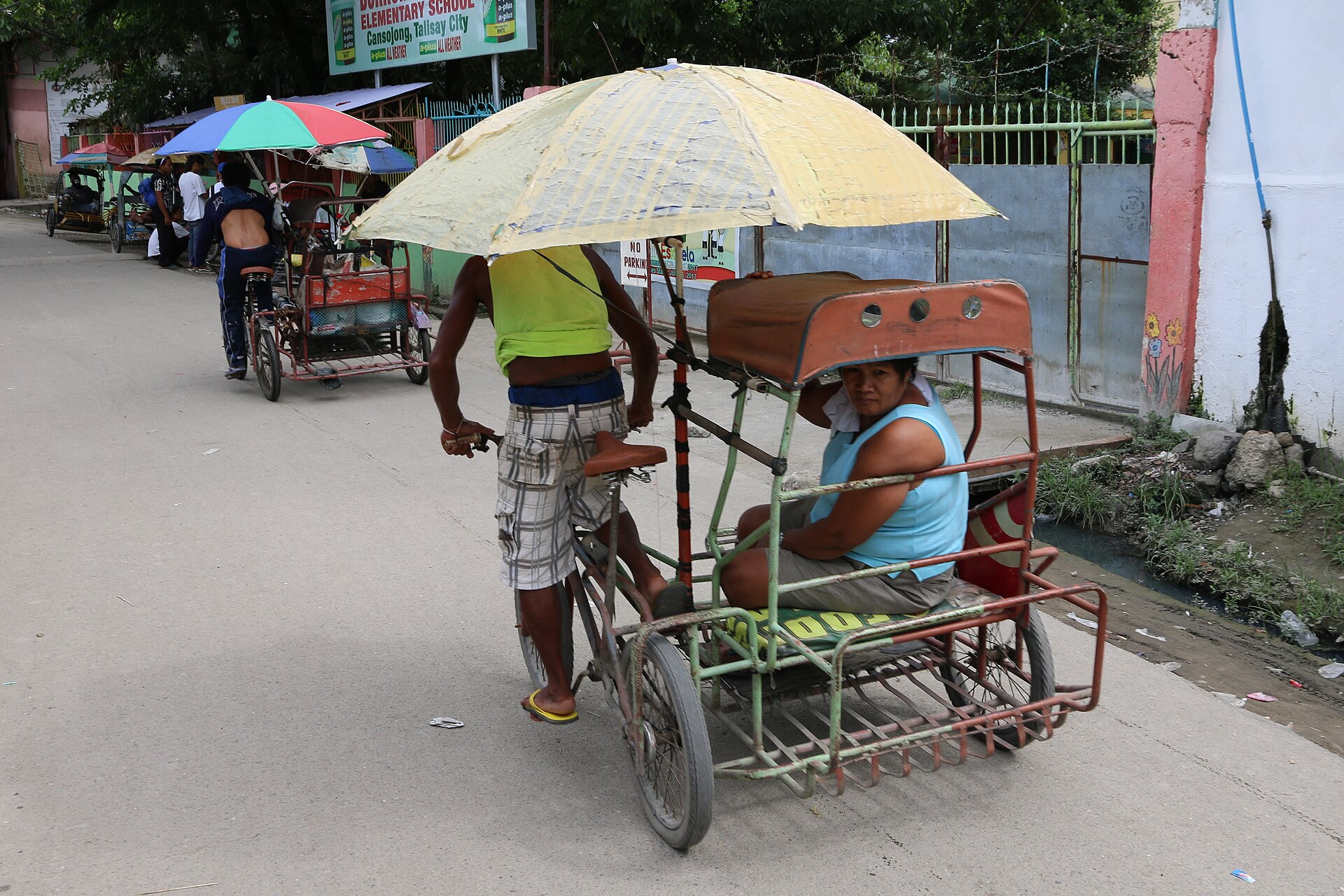
- Habal-habal and tricycles: agree the fare first. A little extra for a long wait or heavy luggage is kind.
- Driver for the day: roughly ₱300-₱500 for a full day if they were helpful and safe, more for a very long day. Check whether meals are covered.

Dive crews, boatmen and tour guides
These are the jobs where tips matter most, because the work is physical and often depends on tourist seasons.

- Tour guides: a common suggestion is ₱100-₱200 per person for a good half-day, and more for a full day or a private guide.
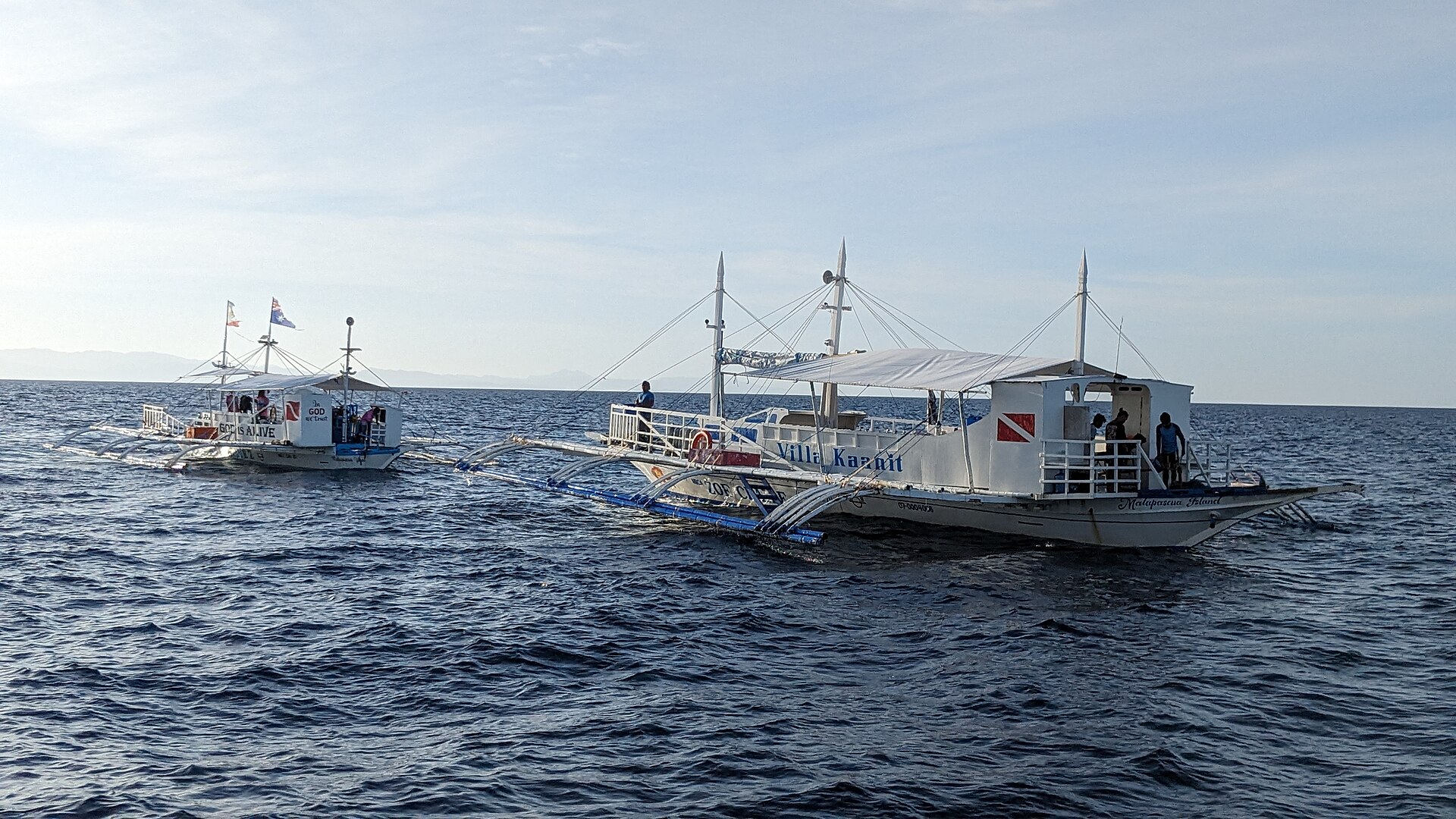
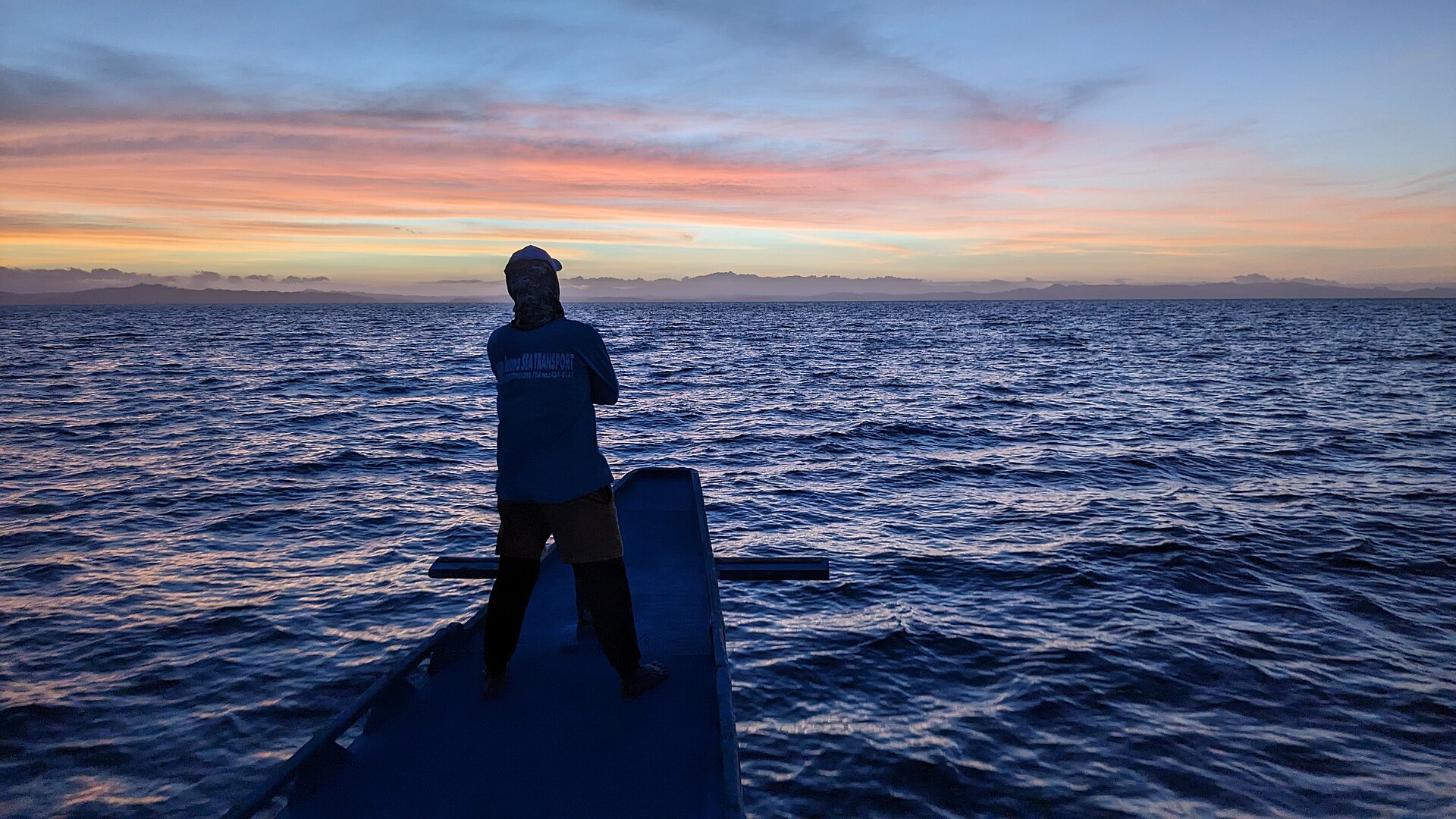
- Island-hopping boat crews: about ₱100-₱300 for the group is a common gesture, or more if the crew snorkelled with you and helped with gear.
- Dive crews: a tip box at the dive centre is usual, and shared equally. Some divers give about 10% of the trip cost. See diving in Cebu.
- Canyoneering guides: with the trip's risk and effort, a tip per guide is welcome. See canyoneering in Badian.
Ask what is already included. If a tour price includes gratuity, you do not need to double up.

Voltage and frequency
The Philippines uses 220 V at 60 Hz. That is close to Europe, the UK and Australia in voltage, but different from the 110-120 V used in the US, Canada and Japan.
- Phone, laptop and camera chargers: most are marked 100-240 V, so they work. Check the small print on the charger.
- Hair dryers, curling irons and kettles from 110-120 V countries: do not plug these in without a proper voltage converter. They can burn out. Many hotels have a dryer, so it is easier to leave yours at home.
- 220-240 V devices from the UK or Europe: usually fine with only a plug adapter.
- 60 Hz: fine for most travel electronics. It rarely matters for chargers.
Plug types
Sockets are typically type A (two flat pins), type B (two flat pins plus a round earth pin) and type C (two round pins). Many sockets accept both flat and round pins, but not all. Some old sockets are loose.
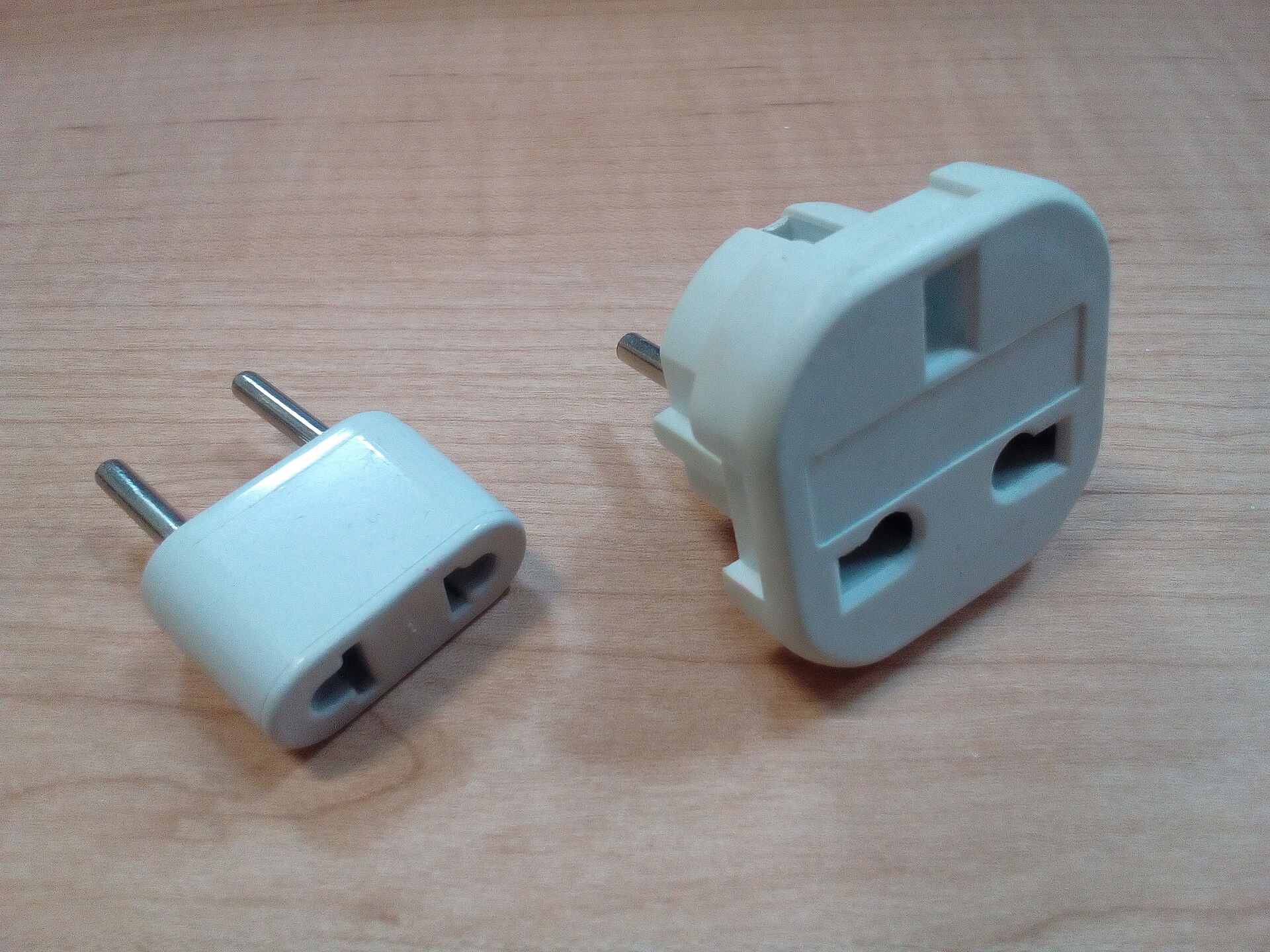

- Visitors from the US, Canada and Japan can often plug in directly. Check voltage on each device.
- Visitors from the UK, Europe and Australia need a plug adapter.
- A small universal adapter with USB ports is the simplest answer.
- Bring a short extension lead or a multi-socket travel strip, since rooms may have few outlets near the bed.
Adapters change the shape of the plug only. They do not change the voltage.
Power banks, brownouts and what to do
Brownouts are brief power cuts. They are most common in rural towns, islands and during storms, and the Visayas grid has had tight supply in recent years. In May 2026, parts of Cebu had rotational one-hour brownouts, according to local news. Hotels and resorts often have generators, but not always for every room.
- Carry a power bank. Airlines require power banks to go in carry-on bags, not checked luggage. Check your airline's limits.
- Charge your phone, camera and headlamp whenever you can.
- Keep a small torch or headlamp in your bag. Your phone light drains the battery.
- Download maps and tickets before you travel. Read SIM cards and internet for connectivity.
- Ask your accommodation about the generator, air conditioning and Wi-Fi during outages.
- Keep cash on hand, since ATMs and card machines may not work. See money in Cebu.
- In heat, drink water and use a fan or open windows while the power is off.
After storms, outages can last longer. Read typhoon season travel for planning.
Quick checklist
- Small notes for tips.
- Universal adapter and a power bank.
- Chargers marked 100-240 V.
- A torch and a spare charged phone battery.
- Print or save your documents. See arriving in the Philippines.
- More packing ideas in the Cebu packing list.
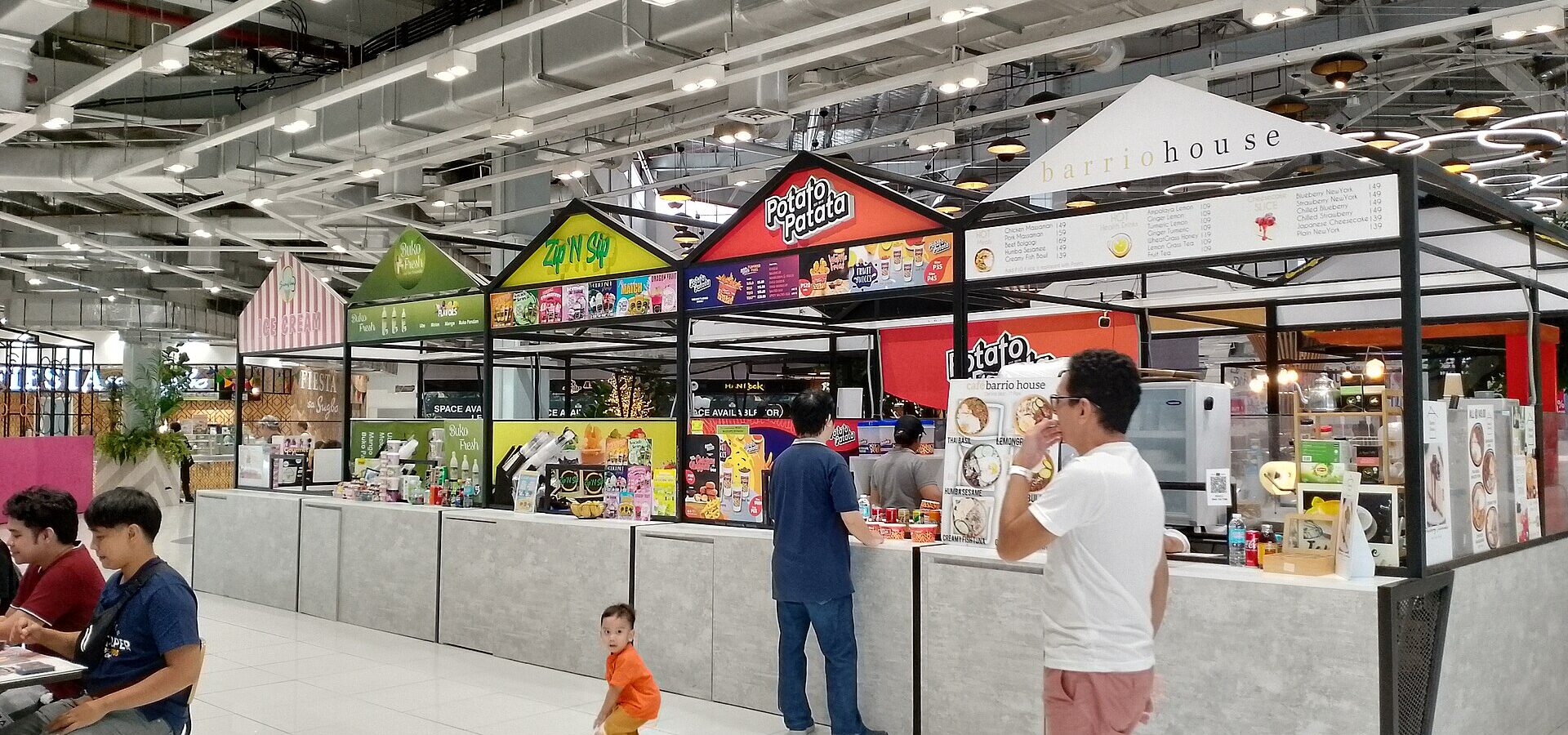
Photo: "Food stands on Metro Ayala at Ayala Center Cebu (2024-12-28)" by Wide Awake!, via Wikimedia Commons, licensed under CC BY 4.0.

Use this page
Writing about this trip, or planning one? Copy a link or citation in one tap, or print this page to take with you.
See what gets copied
- Link code
<a href="https://touristbooklet.com/tipping-plugs-voltage-philippines/">Tipping, plugs and voltage in the Philippines - Tourist Booklet</a>- Citation
- Tipping, plugs and voltage in the Philippines. Tourist Booklet. Last updated 21 October 2026. https://touristbooklet.com/tipping-plugs-voltage-philippines/
From Tourist Booklet: https://touristbooklet.com/tipping-plugs-voltage-philippines/. Last updated 21 October 2026. Prices and times change, so check before you go.