Money in Cebu: cash, ATMs, cards and GCash
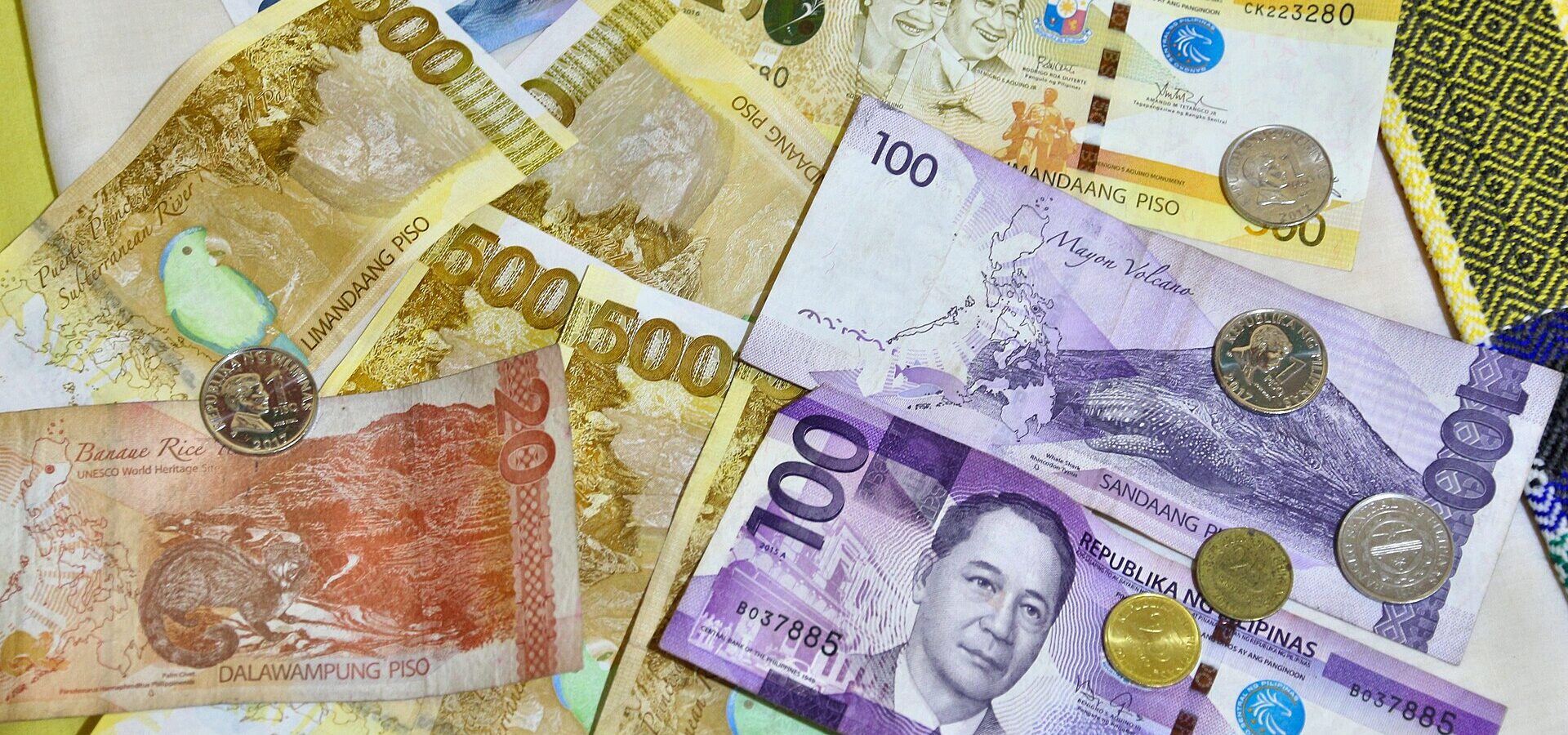
Money in Cebu is simple once you know one rule: the city runs on cards and apps, the countryside runs on cash. In Cebu City and Mactan you can pay by card in malls, hotels and many restaurants. Once you head to the beaches, waterfalls and islands, small notes in your pocket matter far more than the card in your wallet.
Fees, limits and app rules change often, so treat the numbers below as a rough guide and check with your bank before you travel.
The Philippine peso
The currency is the Philippine peso (₱, PHP). Notes come in ₱20, ₱50, ₱100, ₱200, ₱500 and ₱1,000, and you will also get coins, including ₱1, ₱5, ₱10 and ₱20. Jeepney drivers, tricycle drivers and small stores often cannot break a ₱1,000 note, so collect small bills whenever you can: pay with big notes in malls, supermarkets and hotels, and save the ₱20s, ₱50s and ₱100s for the road.
Where you need cash
Plan to pay cash for almost everything outside the city:
- Transport: jeepneys, provincial buses, tricycles, habal-habal and most boats. See getting around Cebu and Cebu bus terminals.
- Entrance and environmental fees at waterfalls, beaches and viewpoints, such as Kawasan Falls or Osmeña Peak.
- Boats and island hopping. Read island hopping in Cebu.
- Local eateries, markets, sari-sari stores and street food.
- Small islands. Malapascua, Camotes, Olango and Bantayan have few ATMs or none, and the ones that exist can run empty or go offline. Bring enough cash for your whole stay, plus a bit extra.
ATMs: fees and limits
ATMs are easy to find in Cebu City, Mactan and the bigger towns, especially in malls and bank branches. Most accept foreign Visa and Mastercard cards.
- Local banks usually charge foreign cards a fee for each withdrawal, often around ₱200-₱250, on top of whatever your own bank charges.
- Each withdrawal is usually capped, commonly at about ₱10,000-₱20,000 depending on the bank and machine. Taking out the maximum each time keeps the fees down.
- If the machine offers to charge you in your home currency, choose pesos. The "conversion" rate is almost always worse.
- Use ATMs inside malls, banks or busy, well-lit places. Cover the keypad and check the card slot looks normal.
- Tell your bank you are travelling, and carry a second card in case one is blocked or swallowed.
- ATMs often run low on weekends and holidays, so withdraw before you go.
Money changers
Exchanging cash is often cheaper than ATM withdrawals. Licensed money changers in the big malls usually give fair rates, while the airport counters are handy for a first small amount but rarely the best deal. US dollars, euros and other major currencies are easy to change.
- Bring clean, undamaged notes. Torn, marked or very old bills may be refused or get a lower rate.
- Compare the rate and ask if there is any fee before you hand over your money.
- Count your pesos at the counter before you walk away.
- Avoid people offering to change money on the street.
Cards
Visa and Mastercard are widely accepted in malls, supermarkets, hotels, bigger restaurants and for airline and ferry tickets. Some businesses add a small fee for cards, and in the provinces many places are cash only, so always ask first. Tap-to-pay is spreading in the city, but do not count on it outside it. Keep an eye on your card when you pay, and check your banking app for anything odd.
GCash, Maya and QR payments
Filipinos pay for almost everything with GCash or Maya, scanning a QR Ph code at the counter. Even small stalls and some tricycle drivers display one. These wallets were built for people with a Philippine number and ID, but options for visitors are growing:
- GCash has started a tourist account for some foreign phone numbers, registered with your passport and usable for a limited time while you are in the Philippines. It has rolled out country by country, so check the GCash app or help centre to see if your country is covered.
- GCash has also announced plans to let visiting Mastercard holders pay local QR codes through the app.
- Some overseas wallets connected to Alipay+ can now pay at QR Ph codes, so check whether your home wallet works in the Philippines.
- A local SIM card helps with apps, codes and Grab, which also takes cards.
Even if a wallet works for you, carry cash as a backup. Signal can drop in the mountains and on islands, and many small sellers still prefer notes.
Tipping
Tipping is appreciated but not expected. Many restaurants already add a service charge (often about 10%), so check the bill. Where there is none, leaving small change or rounding up is kind. For guides, boat crews, porters and drivers who look after you well, a small tip goes a long way.
Scams and how to avoid them
- Short-changing: count your change, and say the note you hand over ("one thousand").
- "No change": have small bills ready so drivers cannot keep the rest.
- Card skimming: use ATMs inside banks and malls, and never let your card out of sight.
- Unclear prices: agree on fares, boat prices and tour packages before you start.
- Split your cash between your bag and your pocket, and keep a spare card somewhere separate. More in staying safe in Cebu.
Just landed? Read arriving in the Philippines, then plan your spending with Cebu on a budget.
Photo: "08 Philippine peso PHP currency - banknotes and coins of Philippine money" by Marek Ślusarczyk (Tupungato) Photo portfolio, via Wikimedia Commons, licensed under CC BY 3.0.
