Cebu waterfalls: a simple guide to the best falls
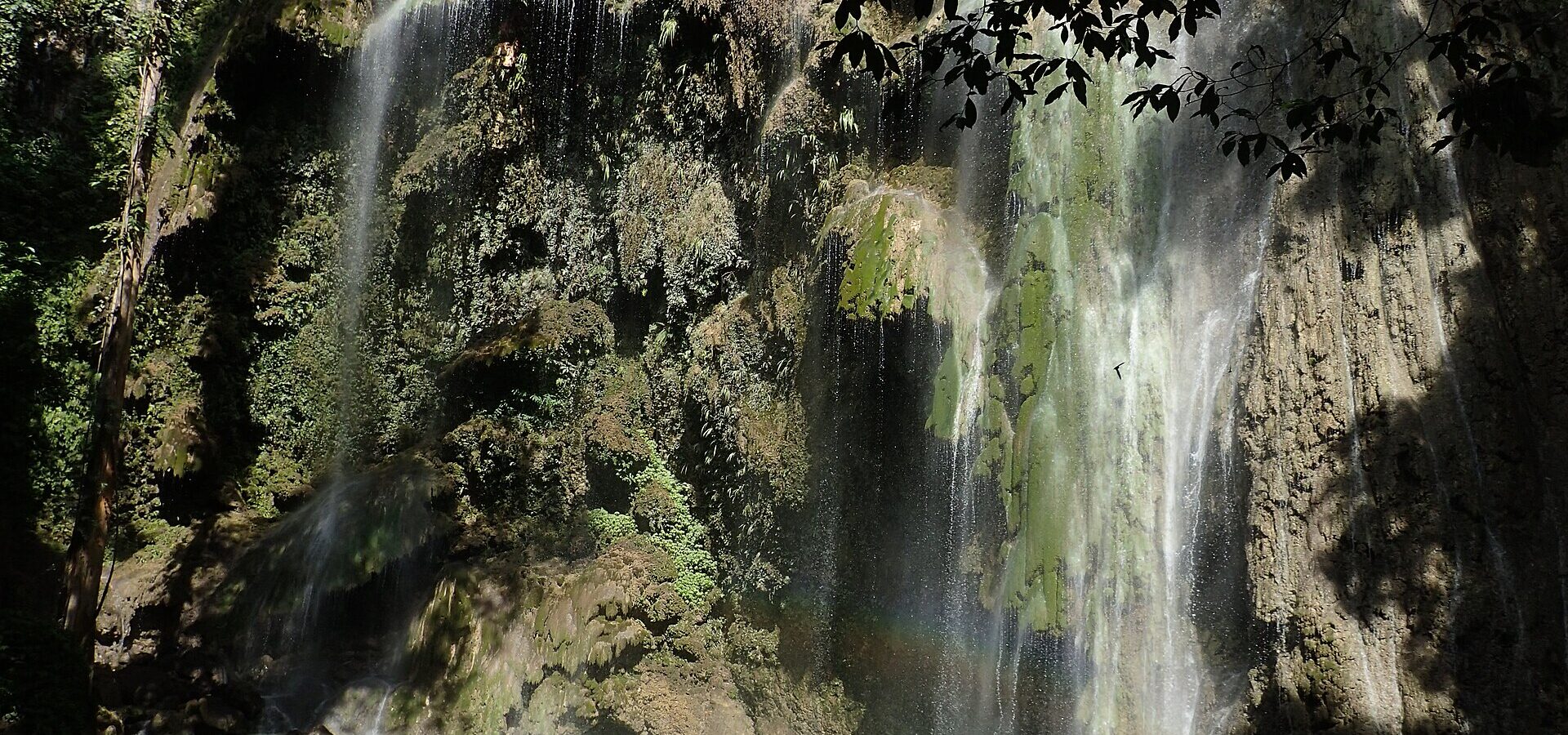
Cebu's hills hide some of the prettiest waterfalls in the Philippines. Much of the island is limestone, which gives many falls their milky turquoise pools and lacy, curtain-like cascades. Most of the famous ones are in the south, along the coastal highway, so you can see two or three in a day with an early start.
Here is a simple guide to the best falls, how to combine them, and how to stay safe. Fees and rules change often, so treat any prices as a rough guide and check locally.
The best waterfalls in Cebu
- Kawasan Falls, Badian: the famous one. Three levels of turquoise pools, bamboo rafts under the main fall, and the end point of the Badian canyoneering trip. Busy, so go early. See our Kawasan Falls guide.
- Tumalog Falls, Oslob: a tall, wide curtain of fine streams running down a mossy cliff into a shallow pool. A short ride from the whale shark area. See Tumalog Falls.
- Mantayupan Falls, Barili: one of the tallest falls in Cebu, with a big pool and an easy walk in. A good stop on the way to Moalboal. See Mantayupan Falls.
- Inambakan Falls, Ginatilan: a tall, powerful fall with blue pools on several levels and a short walk from the road. Brave swimmers jump from the upper levels, but only where locals say it is safe.
- Aguinid Falls, Samboan: an adventure rather than a swim. You climb up several levels of cascades and pools with a local guide, using ropes on the steep parts. Allow 1-2 hours. The fee has been around ₱300 and includes the guide and safety gear.
- Dao Falls, Samboan: a tall fall at the end of a river trail, reached by wading upstream through shallow water. Often quieter than the big names.
- Binalayan Falls, Samboan: small, shallow and pretty, with little caves. A short, easy stop between Aguinid and Dao.
More falls wait in the southwest, around Malabuyoc, and you can reach Kawasan the adventurous way with our Alegria canyoneering guide and canyoneering tips.
Combining falls in one trip
The south of Cebu is a loop: one highway runs down the east coast through Oslob, and another runs down the west coast through Barili, Moalboal and Badian. They meet at the southern tip near Samboan and Santander. Buses from the Cebu South Bus Terminal marked Bato via Oslob or Bato via Barili follow each side. Some easy combinations:
- East coast day: whale sharks in Oslob at dawn, then Tumalog Falls, then Sumilon Island or the drive home.
- Samboan falls day: Aguinid in the morning, Binalayan, then Dao. Add Inambakan in neighbouring Ginatilan if you still have energy. Hire a habal-habal or private car for the day to save time.
- West coast weekend: Mantayupan on the way down, a night in Moalboal, then canyoneering or a swim at Kawasan and sunset at Lambug Beach.
- The full south loop: three or four days, down one coast and up the other, with nights in Moalboal and Oslob. Our 5-day Cebu itinerary shows how.
Most falls in the far south are 3-4 hours from Cebu City by bus, so a night or two nearby makes the trip much more relaxing. See day trips from Cebu City if you only have one day.
Safety first
- Flash floods are the biggest danger. Rain in the mountains can raise a river fast, even when it is sunny where you are. If the water turns brown, rises or speeds up, get out and move to high ground.
- Skip the falls after heavy rain or when a storm warning is up. Sites often close for safety, and canyoneering is paused.
- Wear a life vest. Pools under waterfalls are deep and the water churns. Most sites rent them, and some require them.
- Rocks are slippery, especially with moss. Wear water shoes or sandals with grip, and walk, don't run.
- Only jump where guides say it is safe, check the depth first, and never jump alone.
- Hire a registered local guide where one is required, as at Aguinid and for canyoneering.
- Keep an eye on children at all times. Our Cebu with kids guide has family tips.
Fees and costs
Almost every waterfall charges a small entrance or environmental fee, from tens of pesos at smaller falls to a few hundred where a guide and gear are included. Expect extra charges for life vests, cottages, lockers, rafts and parking, and a habal-habal ride of a few kilometres from the highway to some falls. Bring cash in small bills, since there are no ATMs at the falls. Our Cebu on a budget guide has more money tips.
Best months to go
The dry season, from about December to May, usually brings the clearest, bluest water and the safest trails. Late in the dry season some falls, such as Tumalog, can thin out to a trickle. From about June to November, rain makes the falls bigger but often brown, and storms can close them. Go early on a weekday to have the pools to yourself. Read the best time to visit Cebu and typhoon season travel.
Respect the falls
- Take all your trash home. Rivers carry it to the sea.
- Skip soap, shampoo and sunscreen right before you swim, to keep the water clean.
- Don't carve, paint or move rocks, and stay on the marked trails.
- Keep music low. Many people come for the sound of the water.
- Follow the local rules and the staff. Read responsible travel in Cebu.
What to bring
Swimwear and a rash guard, water shoes, a dry bag for your phone and cash, a quick-dry towel, a change of clothes, snacks and plenty of water. See our full Cebu packing list. Love the hills too? Pair your falls with a sunrise climb in our hiking in Cebu guide or Osmeña Peak.
Photo: "Tumalog falls (1)" by Firth McEachern, via Wikimedia Commons, licensed under CC BY-SA 4.0.
.jpg)