Cebuano dishes to try: a food glossary
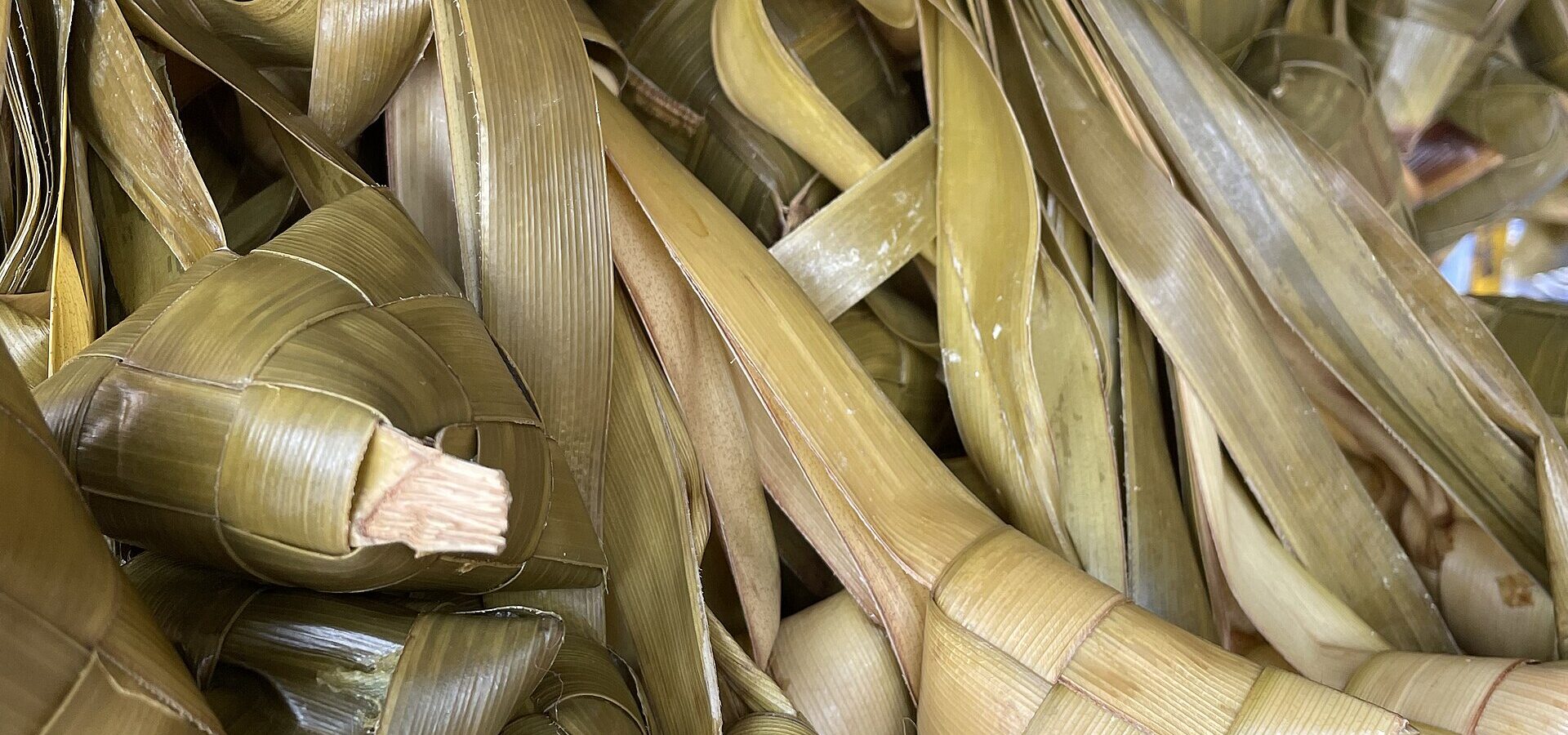
Cebu is known for its food, and menus are full of words that visitors have never heard. This glossary explains the dishes you will see again and again, what they taste like, where in Cebu they are strongest, and what to ask for. Prices vary, so we do not list them here. For a wider eating plan, start with what to eat in Cebu.
Lechon
Whole roast pig, slow-cooked over charcoal until the skin is crisp and the meat is juicy. Cebu lechon is famous because the belly is stuffed with lemongrass, spring onion and spices, so it is tasty without any sauce. Ask for crispy skin and a bit of belly. You can buy it by the kilo or by the portion. Lechon shops are common in Cebu City and in the towns south of it. Read the Cebu lechon guide for how to order and how to carry it home.

Puso (hanging rice)
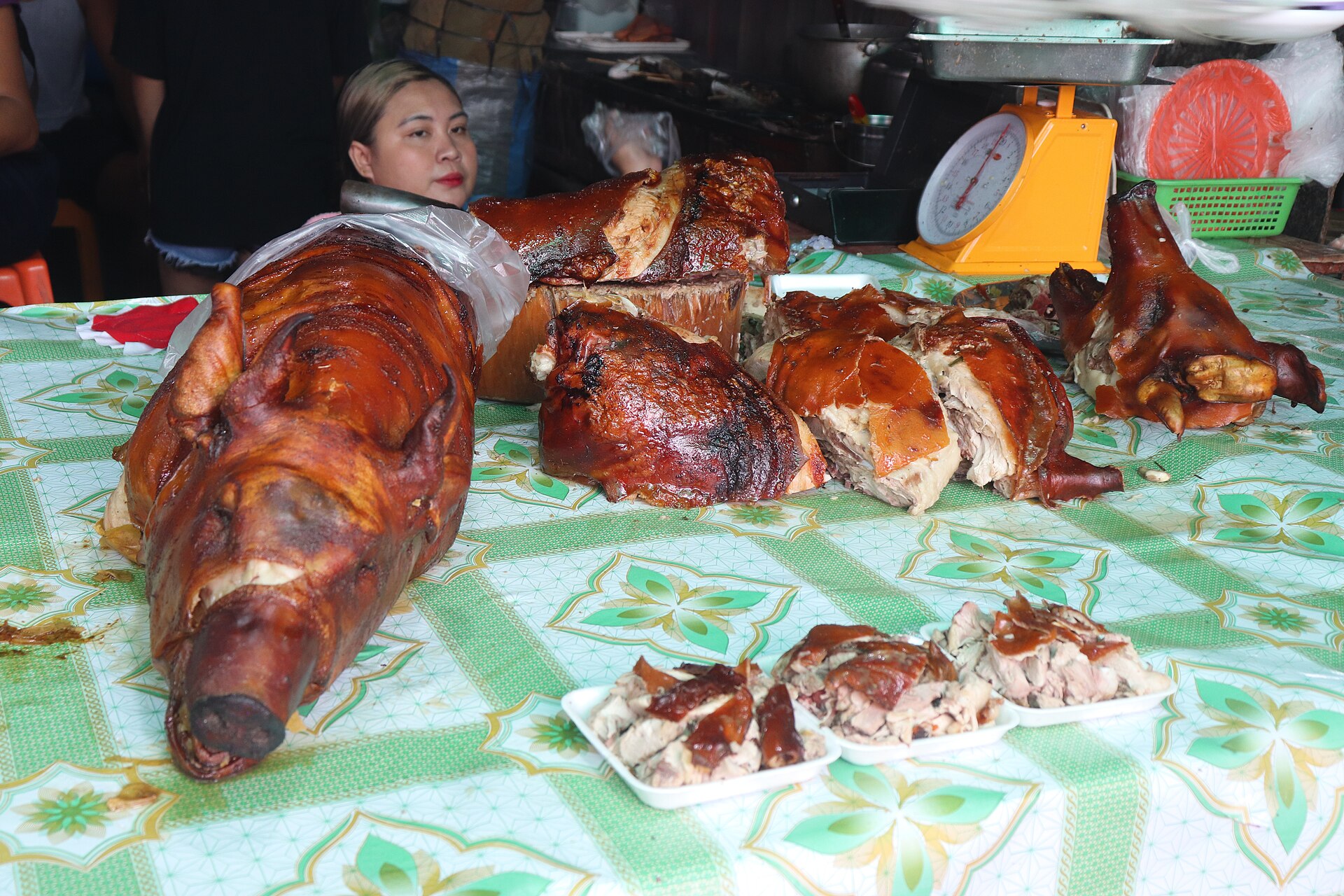
Rice boiled inside a woven coconut-leaf pouch until it holds a diamond shape. It is firm and slightly earthy, made for eating with grilled meat and sauces. You will find it at stalls selling barbecue. Ask for puso and pay per piece. You cut or pull the leaf apart, then eat the rice with your hands or a spoon.

Ngohiong
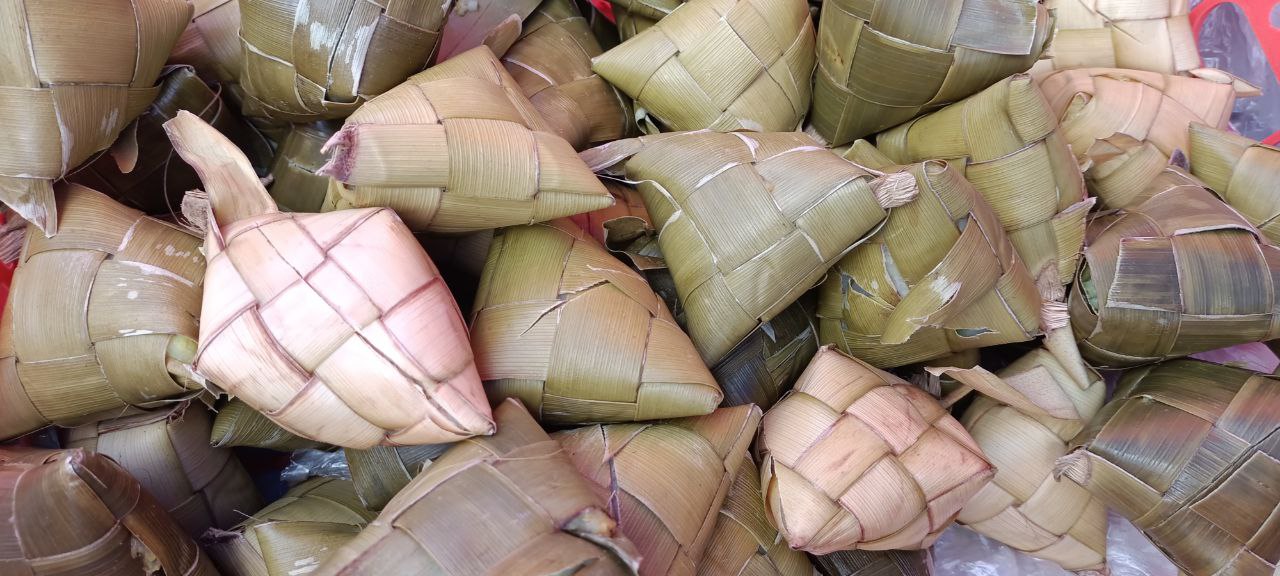
A Cebu-style spring roll, usually filled with vegetables and minced meat flavoured with five-spice powder, then fried until golden. It is eaten with a spicy vinegar dip. Look for it at street stalls and in food courts. Ask for ngohiong with sauce and eat it hot. Our street food guide has more snack ideas.
Sutukil
The word combines sugba (grill), tuwa (stew) and kilaw (raw). You pick fresh seafood at a market-style counter and have it cooked three ways. This is a Mactan speciality, so read our Lapu-Lapu sutukil guide. Ask the price per kilo before you order and agree on the cooking style. Bring friends, because portions are large.
Kinilaw
Raw fish cured in vinegar or citrus with onion, ginger and chilli, similar to ceviche. It is one of the cleanest ways to taste fresh fish. Tuna and mackerel are common. Order it at a coastal restaurant or seafood stall where the fish looks and smells fresh. If you have a sensitive stomach, choose busy places with a quick turnover.

Tuslob buwa
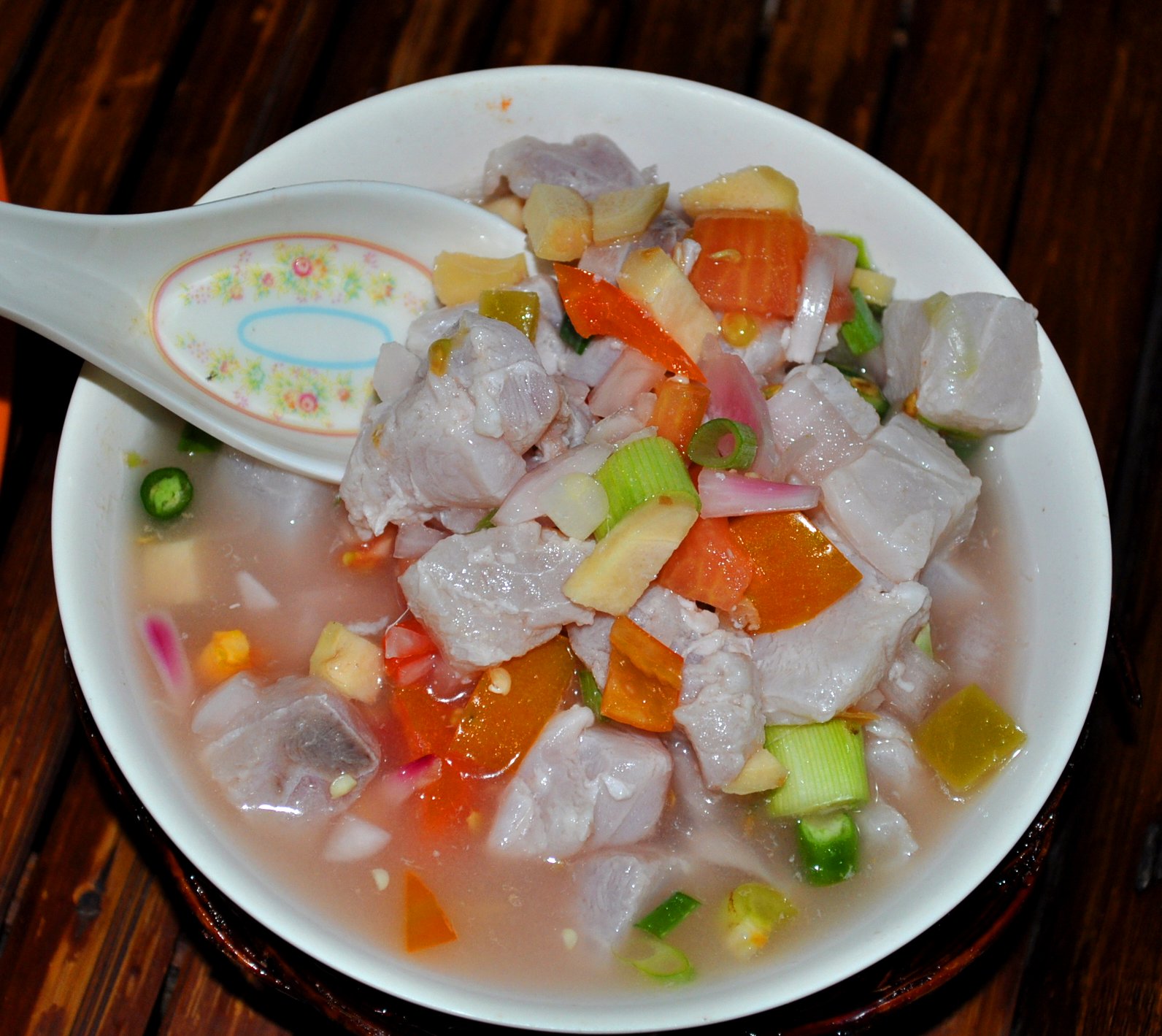
The name means "dip in bubbles". A pan of bubbling sauce, traditionally made from pork brain and liver, sits in the middle of the table, and you dip puso into it. It started in the Pasil area of Cebu City. It is rich and strong, so it is more of an experience than a meal. If offal is not for you, skip it. Wash your hands, share the dip, and stay for the atmosphere.


Bam-i
A Cebuano noodle dish that mixes two kinds of noodles, usually thin rice noodles and wheat noodles, with meat and vegetables. It is homely and filling, often served at celebrations and at carinderia counters. Ask what is in it, and enjoy it with a squeeze of calamansi.
Budbud kabog
A sticky rice cake made from millet (kabog) cooked with coconut milk, usually sweet and wrapped in a leaf. It is often eaten with ripe mango or hot chocolate. Look for it in local markets, mostly in the morning. Ask whether it is mildly sweet if you do not like sugar.
Otap
A crisp, flaky oval biscuit with a light sugar glaze, sold in packs. It keeps well, so it is a classic gift. Try a small pack before you buy many. Our pasalubong guide covers other gifts to take home.
Danggit
Dried rabbitfish, salted and sun-dried, then fried until crisp. It is eaten for breakfast with garlic rice and vinegar. Danggit is strongly linked with Cebu and its islands, and you can buy it from markets and pasalubong shops. Ask for vacuum-packed pieces if you plan to fly home with them, and check airline rules.


Pochero and humba
- Pochero: a comforting stew of beef or pork with banana, cabbage and a tomato-based broth. Often a family dish, and it works well for lunch.
- Humba: pork braised in soy, vinegar, sugar and spices until tender, dark and a little sweet. It goes well with plain rice.
A simple tasting order
If you only have a day, try this order: ngohiong or a banana-leaf snack for a light start, danggit with garlic rice at breakfast, lechon with puso for lunch, kinilaw or a sutukil dinner by the sea, and otap or budbud kabog as a sweet finish. Eat small portions of each and share with friends so you can taste more. Drink bottled or properly filtered water, and wash your hands before meals eaten with fingers.
Other words you will meet
- Carinderia: a small eatery with ready-cooked dishes in trays. Point to what you want.
- Sinugba: grilled food, including fish and pork.
- Sinigang: a sour soup with a tamarind or other sour base.
- Halo-halo: shaved ice dessert with sweet beans, fruit and milk.
Where to eat these dishes
- Cebu City: street food around markets, lechon shops, and the Carbon Market for local snacks and dried fish.
- Mactan: sutukil and seafood grills.
- Pasil and the harbour area: tuslob buwa and fish stalls.
- Towns and markets: budbud and bam-i appear in morning markets across the island.
How to order like a local
- Learn a few words from our Cebuano phrases guide, such as palihug (please) and salamat (thank you).
- Ask the price before you order seafood sold by the kilo.
- Choose busy stalls with fast turnover and food cooked in front of you.
- Tell the cook about allergies, since shrimp paste and nuts hide in sauces.
- Share dishes, because portions are generous.
For budget ideas, see Cebu on a budget, and for safe eating tips, staying safe in Cebu.
Photo: "Kain in Cebu or puso" by Aerous, via Wikimedia Commons, licensed under CC BY-SA 4.0.

Use this page
Writing about this trip, or planning one? Copy a link or citation in one tap, or print this page to take with you.
See what gets copied
- Link code
<a href="https://touristbooklet.com/cebuano-dishes-to-try/">Cebuano dishes to try: a food glossary - Tourist Booklet</a>- Citation
- Cebuano dishes to try: a food glossary. Tourist Booklet. Last updated 21 October 2026. https://touristbooklet.com/cebuano-dishes-to-try/
From Tourist Booklet: https://touristbooklet.com/cebuano-dishes-to-try/. Last updated 21 October 2026. Prices and times change, so check before you go.