Filipino etiquette: customs for visitors
Filipinos are famously warm and forgiving with visitors. You do not need to memorise rules to be welcome. But a few small habits will make people smile, and help you avoid awkward moments. This guide covers the basics for Cebu and the rest of the country.
Greetings and respect
- Smile and greet first. A friendly "Good morning" to guards, drivers and shopkeepers is normal. In Cebuano, try "Maayong buntag" (good morning). See our Cebuano phrases.
- Say "po" and "opo". These are respectful words added to sentences when speaking to elders or people you do not know well. "Salamat po" means "thank you" politely. Using even one will be noticed and appreciated.
- Use titles. Call older women Ma'am or Ate (older sister) and older men Sir or Kuya (older brother). Many locals will call you the same.
- Handshakes are fine. A light handshake and a smile is the usual greeting. Hugging and cheek kisses are for friends and family.
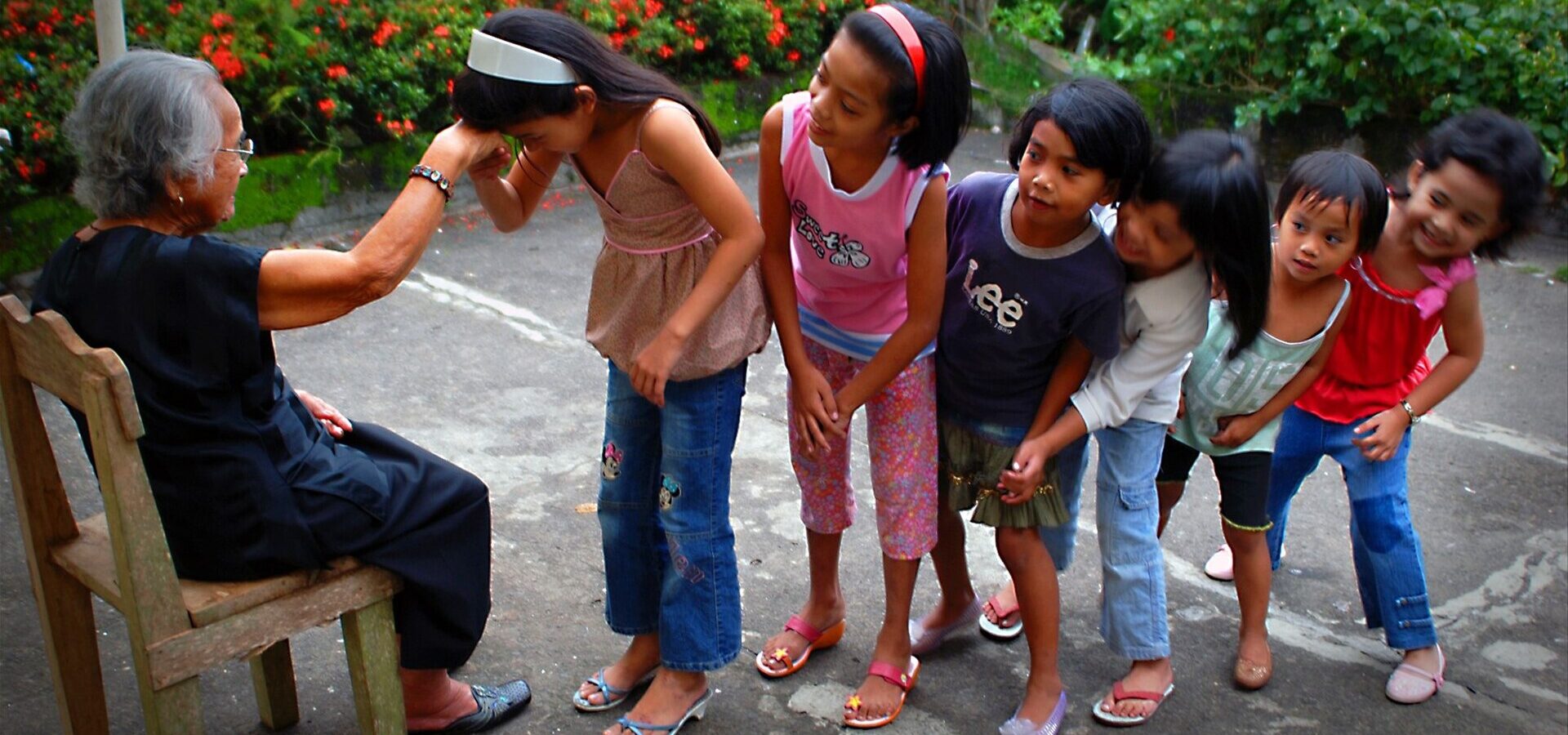
- Mano po. Younger people take an elder's hand and touch it to their forehead as a sign of respect. You are not expected to do it as a visitor, but if a host offers a hand this way, you can simply go along, smile or nod.
Keep calm and save face
Smooth relationships matter a great deal in Filipino culture. Raising your voice, scolding in public or showing anger is seen as rude and tends to make things worse. If there is a problem with a bill, a booking or a driver, stay calm, smile, and explain what you need quietly. You will usually get further than by arguing.
- Do not shout or snap your fingers to call staff. Make eye contact and raise a hand, or say "Excuse me, Ma'am/Sir".
- Say "no" gently. Locals may avoid a flat no. A smile and a "maybe" or "I will think about it" can mean no.
- It is fine to check prices and ask for a fair rate, but bargaining is gentle, not aggressive. Agree on fares and prices first, before a ride or a tour.
Homes, food and invitations
- Take off your shoes when entering a home, unless the host says to keep them on. Look for shoes at the door.
- Accept food and drink when invited, even a small bite. Refusing everything can seem unfriendly. If you cannot eat something, say "thank you, I am full" with a smile.
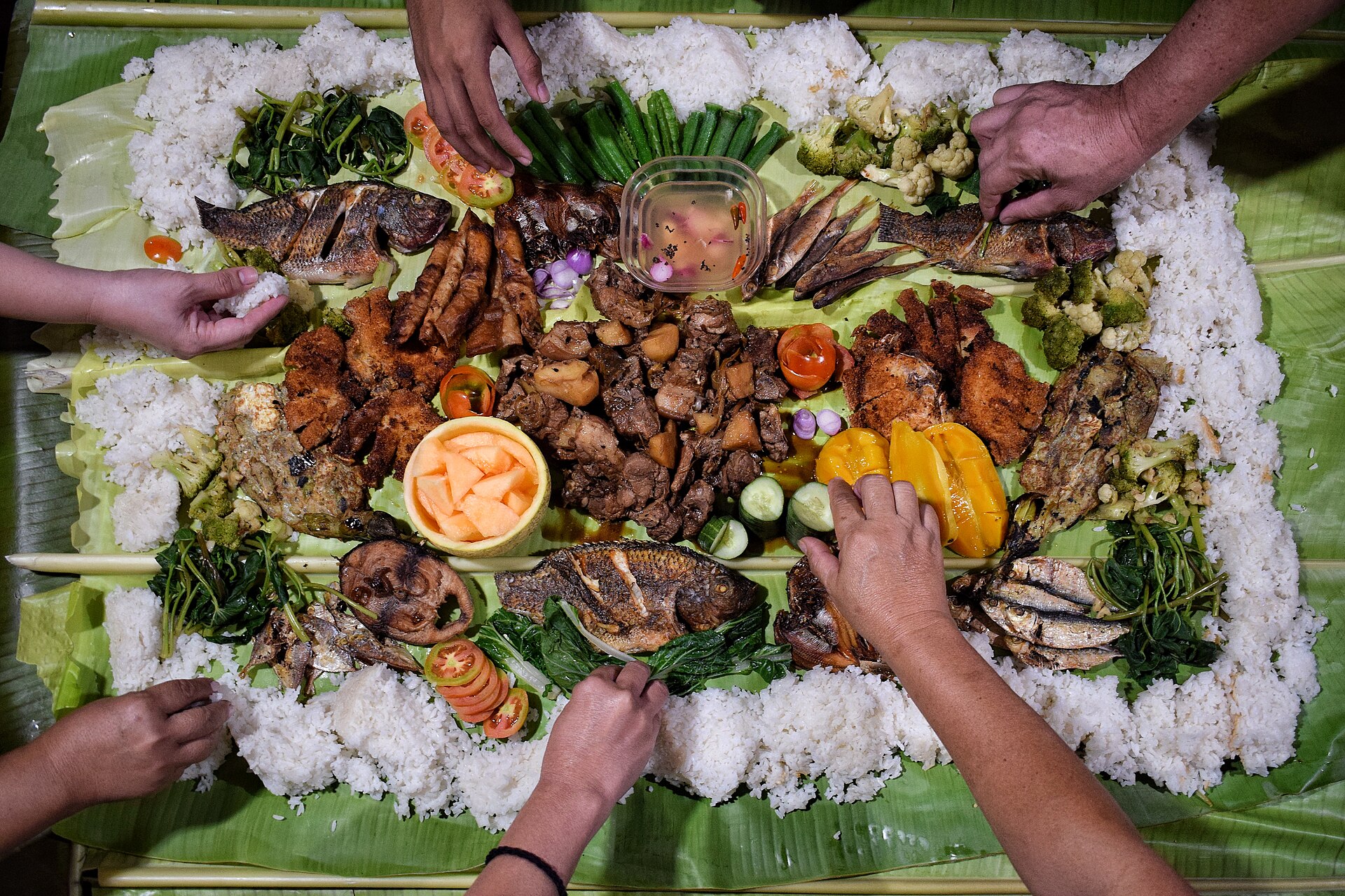
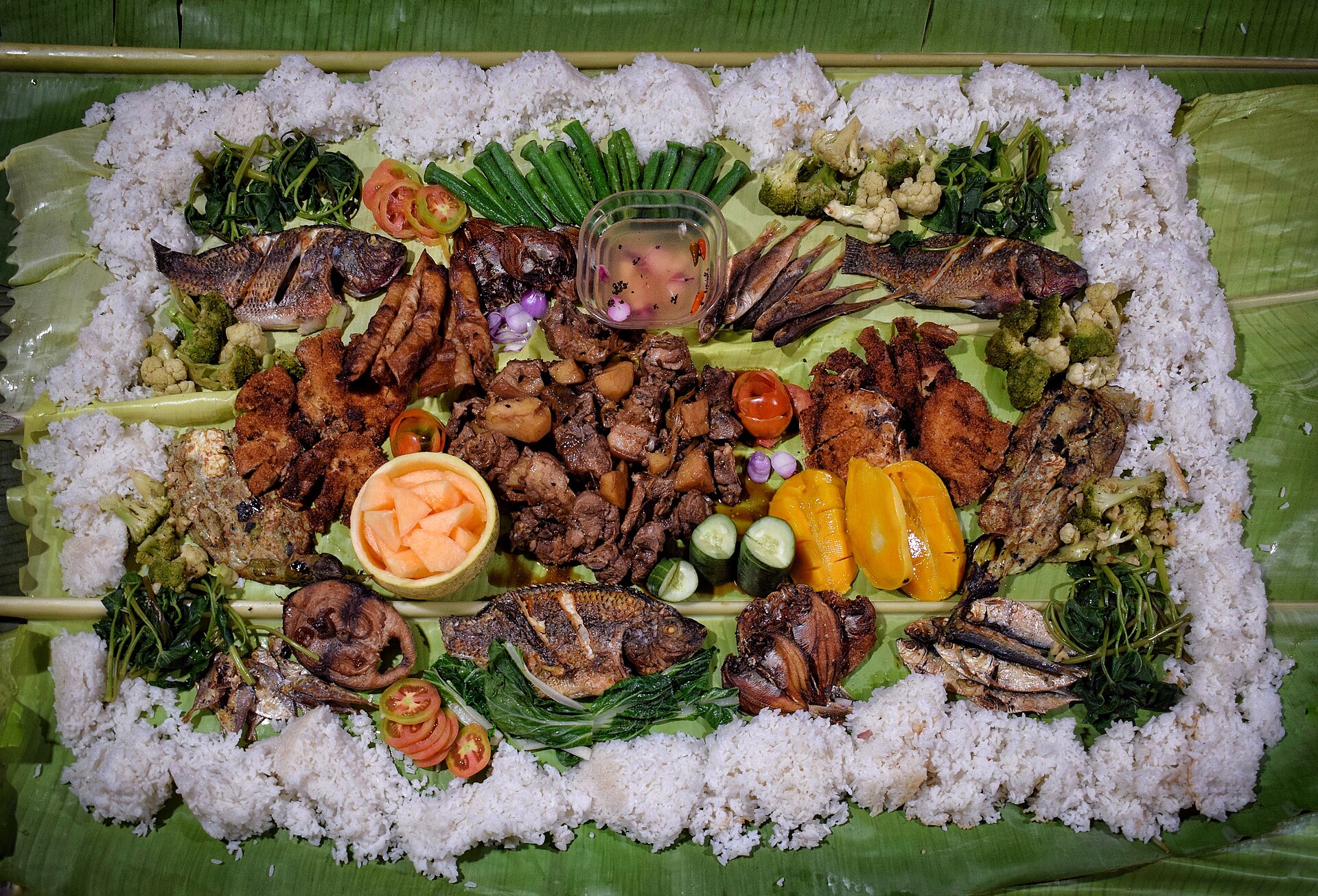
- Eat with a spoon and fork. The fork pushes food onto the spoon. Chopsticks are not usual. For some dishes, such as grilled seafood, eating with your hands (kamayan) is normal. Wash your hands first.
- Bring a small gift (pasalubong) such as fruit or sweets if you are invited home. See Cebu desserts and snacks for ideas.
- If someone says "Kain tayo" (let's eat), they are inviting you to join. Sharing meals is a big part of daily life.


Churches and religion
The Philippines is mostly Catholic, and churches are living places of worship, not just sights. The Santo Nino is dear to Cebuanos. See our guides to the Basilica Minore del Santo Nino and Sinulog.
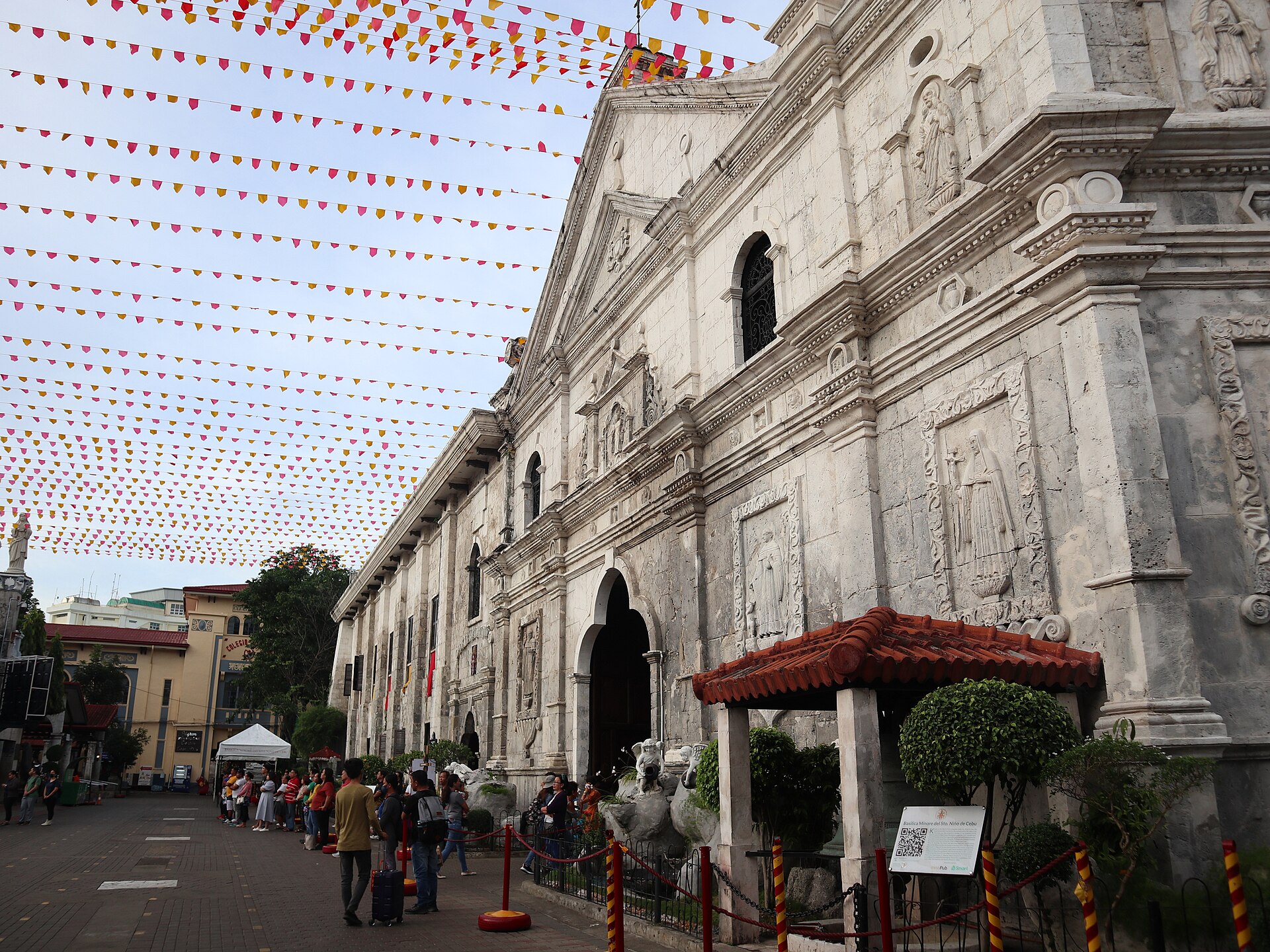

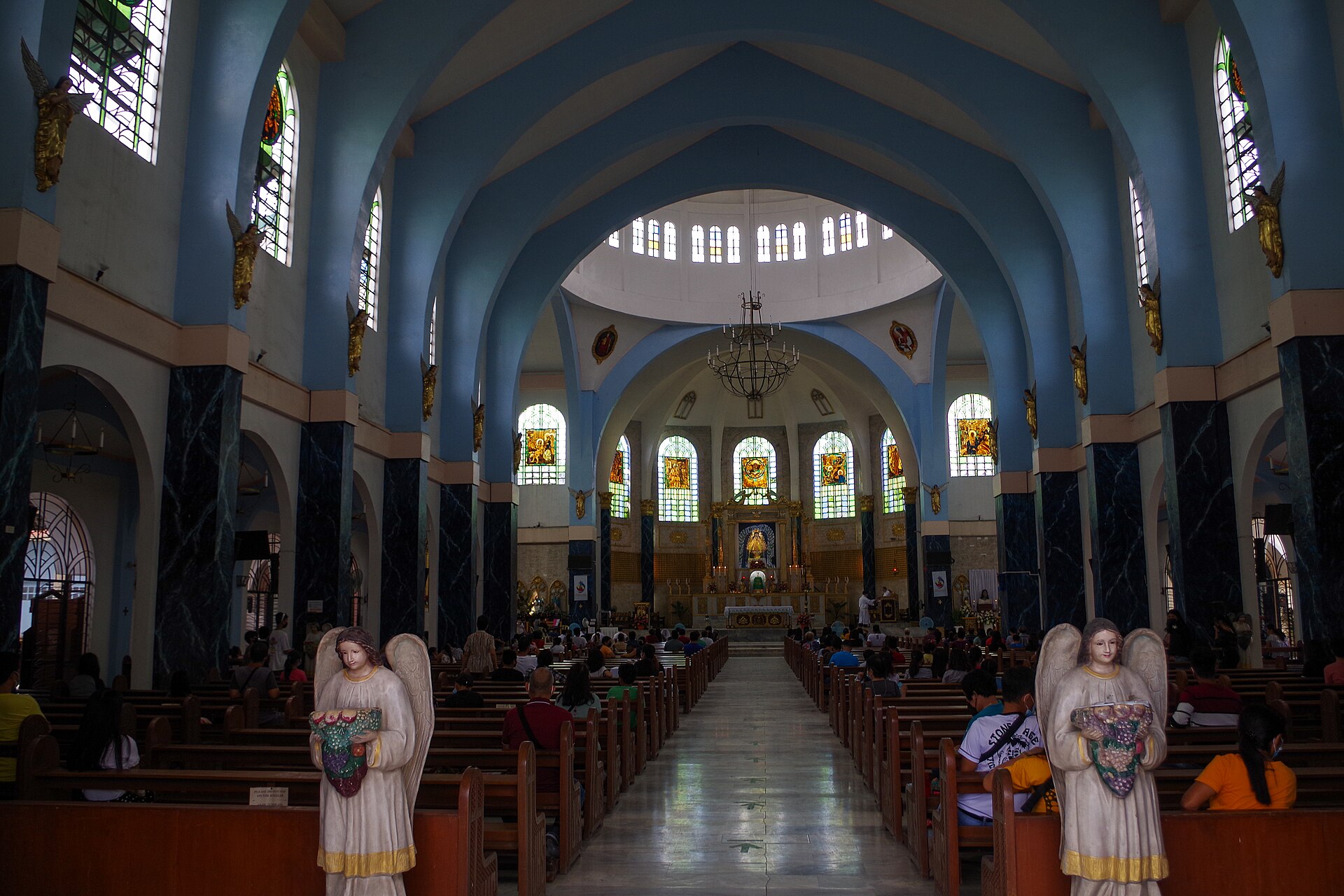

- Dress modestly for churches: cover shoulders and knees. Some churches enforce this strictly.
- Keep your voice low, turn off your phone ringer and do not walk in front of people who are praying.
- Ask before taking photos during mass, and never use flash on people.
- During Holy Week, expect many shops and services to close or run reduced hours, and show extra respect at processions.
Gestures and small details
- Beckoning: call someone with the palm facing down and fingers waving towards you. Curling a single finger upward is rude, as it is how people call animals.
- Pointing: Filipinos often point with pursed lips or a nod of the head. You can point with your whole hand or just describe where something is.
- Heads and feet: avoid touching someone's head, even a child's, and do not point your feet at people or at religious images.
- Photos: ask before photographing people, especially at homes, markets and in tribal or rural communities. A smile and "Pwede po?" (may I?) works.
- Queues: they exist but are informal. Be patient, and do not push in.
- Time: social events often start late. Tours, ferries and flights do not, so be on time for those.
Money, tipping and fairness
Tipping is appreciated but not required. A service charge is often added to restaurant bills; check your receipt. For drivers and guides, rounding up or adding a little is a kind gesture. See our tipping and plugs guide and money in Cebu.
- Do not flash large amounts of cash or expensive gadgets.
- Never give money to children begging. Support community projects or buy from local sellers instead.
- Pay fair prices for souvenirs and services, and bargain softly.
Be a thoughtful guest
- Do not litter, and follow beach and park rules. See responsible travel in Cebu.
- Do not touch coral or chase turtles and sharks. Respect fees that go to local communities.
- Be careful with jokes about politics, religion or poverty. Ask questions with real curiosity instead.
- Do not criticise the country, the traffic or the food in a way that sounds like a complaint. A little humour about your own mishaps is better received.
- On a jeepney, pass fares along and say "bayad po" (payment, please). See how to ride jeepneys.
Heading to Cebu for the first time? Start with tips for your first time in Cebu and staying safe in Cebu. If you travel alone, read solo travel in Cebu.
Use this page
Writing about this trip, or planning one? Copy a link or citation in one tap, or print this page to take with you.
See what gets copied
- Link code
<a href="https://touristbooklet.com/filipino-etiquette-culture/">Filipino etiquette: customs for visitors - Tourist Booklet</a>- Citation
- Filipino etiquette: customs for visitors. Tourist Booklet. Last updated 21 October 2026. https://touristbooklet.com/filipino-etiquette-culture/
From Tourist Booklet: https://touristbooklet.com/filipino-etiquette-culture/. Last updated 21 October 2026. Prices and times change, so check before you go.