Museo Sugbo
Cebu's provincial museum, set in the coral-stone Carcel de Cebu jail of the 1870s. See the galleries on Cebu's past, reopened in August 2025, in a quiet corner near Fort San Pedro.
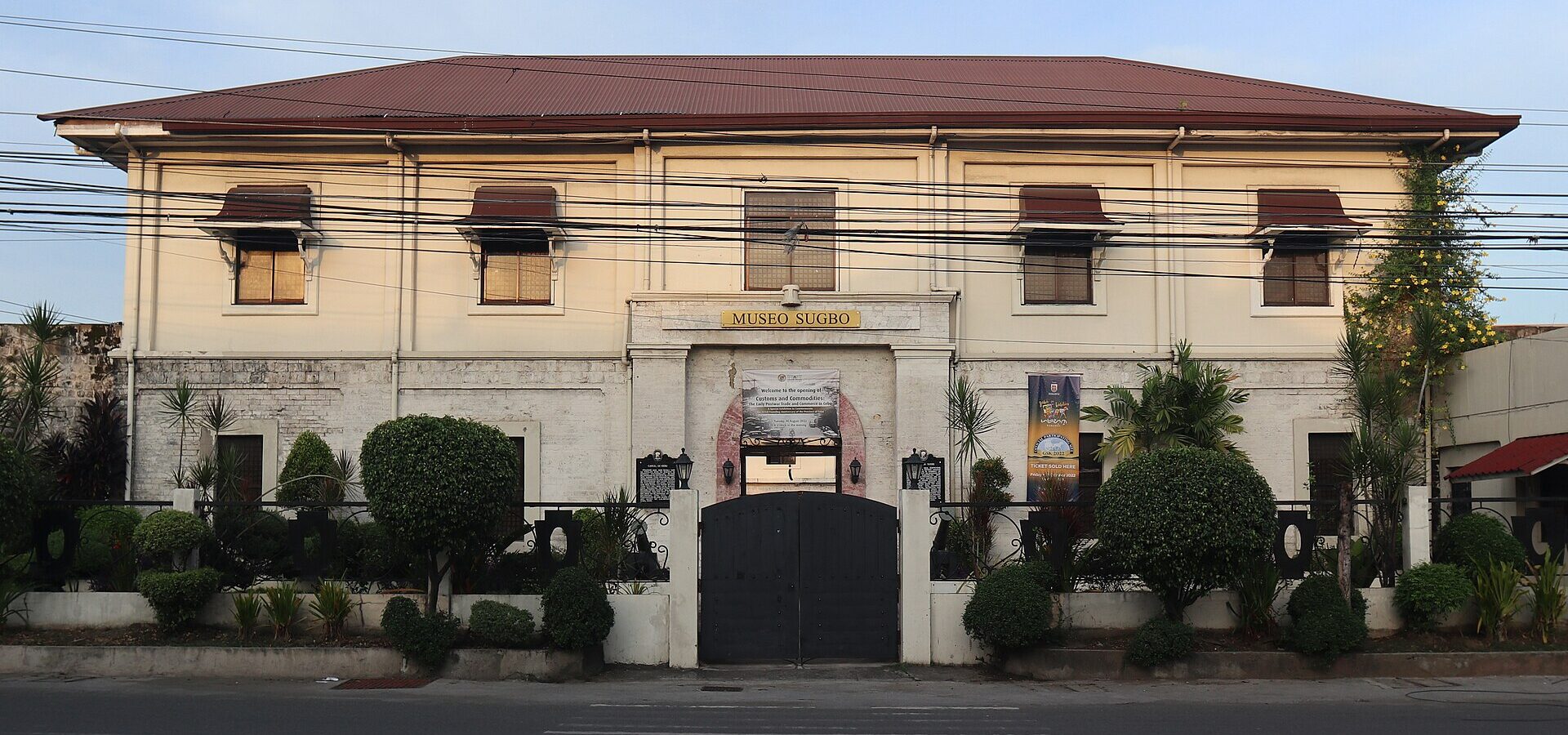
Museo Sugbo is the Cebu Provincial Museum. It fills the old Carcel de Cebu, the provincial jail, a large coral-stone building on M.J. Cuenco Avenue not far from Plaza Independencia and Fort San Pedro. Visitors walk through galleries on Cebu's story, from early trade and the Spanish era to the revolution, the war years and modern times, inside the walls where prisoners were once held. It is cheap, usually quiet and easy to see in an hour or two.
Why visit Museo Sugbo
- A building with a story: a Spanish-era jail from the 1870s that was still holding prisoners until 2004.
- A clear introduction to Cebu's history in one place, from pre-colonial times to World War II.
- A low entrance fee, about ₱50 for adults in 2025.
- Cool and quiet, a good break from the heat and a handy rainy-day stop.
The jail and its history
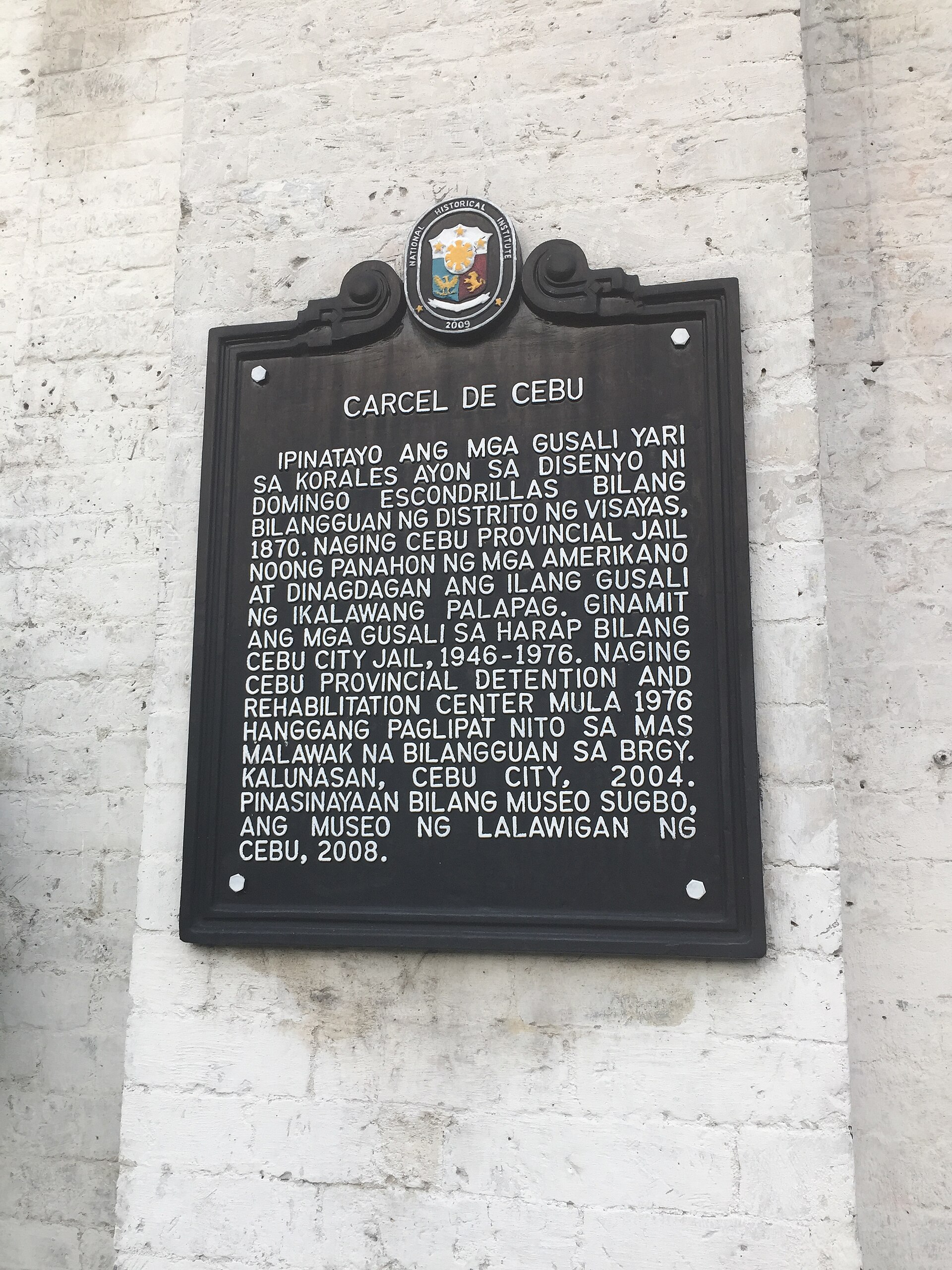
The jail was designed in 1869 by Domingo de Escondrillas, the only architect in Cebu at the time, and built from around 1871. It was first planned as the main prison for the whole Visayas district, which is why it is so large. Many of its coral-stone blocks are believed to come from the old Parian church, which was pulled down in 1878. More buildings were added behind the main block after a renovation ordered in 1892.
Over its long life the jail held many kinds of prisoners. During the revolution, many Katipuneros were held here without trial. During the Japanese occupation, guerrillas were jailed here. In later years it was known as the Cebu Provincial Detention and Rehabilitation Center. The prison moved to a new site in December 2004, and the old jail became a museum. The first four galleries opened on 5 August 2008, and more were added in 2009, when a National Historical Marker was unveiled.
What you will see
The galleries cover themes such as pre-colonial Cebu, the Spanish period, the revolution, World War II and local heritage. The museum has also hosted branch galleries linked to the National Museum and the Museum of Philippine Political History. Look for the old cannons at the entrance, the historical markers on the front wall, and the details of the jail itself, such as thick walls and small rooms that once served as cells.
Please note: parts of the complex were damaged in the 2013 earthquake and remain under repair, and the exhibits were due to be redesigned after the museum reopened. What is on show can therefore change from visit to visit. Do not expect a big, polished modern museum. Expect a small, honest heritage museum in a very interesting building.
Closed for two years, reopened in 2025
The museum was closed for nearly two years and reopened to the public on Friday, 29 August 2025. The provincial government decided to reopen it while some sections stayed closed for repair. Check the museum's Facebook page for news, special exhibits and any new closures before you travel.
The dancing inmates
The jail is sometimes confused with the dancing inmates of Cebu, who became famous online between 2005 and 2010. They performed at the new prison complex that replaced this jail, not at the museum. No dance shows are held at Museo Sugbo.
Where is Museo Sugbo?
Cebu City, Cebu
Directions open in Google Maps, starting from where you are. Its travel times are estimates, and ferries and island boats may not be included.
Getting there from Cebu City
- From downtown or Colon, a taxi or ride-hailing car usually takes about 10-20 minutes, depending on traffic. See getting around Cebu and Grab and taxis in Cebu.
- From Mactan-Cebu Airport, allow about 30-60 minutes by taxi or ride-hailing car. Our airport to Cebu City guide has the options.
- Ask for Museo Sugbo on M.J. Cuenco Avenue, in Barangay Tejero. Provincial tourism pages say it is only a few minutes from Plaza Independencia and Fort San Pedro.
- By jeepney, look for routes marked M.J. Cuenco or the pier area, and ask the driver to drop you near the museum. See how to ride jeepneys in Cebu.
Fares change, so use the meter or agree on a price first.
Entrance fee and opening hours
In 2025 the provincial tourism page listed ₱50 for regular visitors and ₱25 for students, senior citizens and persons with disabilities. Please treat this as an estimate, since fees can change. Reports on opening days and hours differ. Most say the museum is open on weekdays, roughly 9 am to 4 pm, and some say Saturday as well. Please check with the museum on Facebook or by phone before you go, especially on holidays.
Make it a heritage day
Museo Sugbo sits close to the old town's main sights. See Fort San Pedro for the waterfront fortress, Magellan's Cross and the Basilica Minore del Santo Nino for Cebu's religious heart, and Casa Gorordo Museum and the Yap-Sandiego Ancestral House in Parian. For a full route, see the Cebu City heritage guide and our walking tour.
Getting around
Inside, you walk. Floors can be uneven, and some old rooms and stairs are not easy for wheelchairs or strollers, so ask the staff what is open. Outside, the streets have heavy traffic and narrow pavements, so use a taxi or ride-hailing app for longer hops.
Where to stay and eat
Stay wherever suits your budget: Colon, Fuente Osmena and Cebu Business Park are all a short ride away. For food, there are cheap local eateries around the old downtown, and Carbon Market is nearby for a lively market lunch. See where to stay in Cebu and what to eat in Cebu.
When to go
The museum is a good rainy-day or midday stop, and weekday mornings tend to be calm. Because it is not open every day, plan your visit around its schedule. See rainy-day things to do in Cebu and typhoon-season travel.
Tips for a good trip
- Allow about 1-2 hours.
- Check opening days and hours the day before, and bring cash for the entrance fee.
- Ask before taking photos, and avoid flash around old objects.
- Do not touch displays or lean on old walls.
- Wear comfortable shoes and dress modestly. Speak softly.
- Keep a hat and water with you if you plan to walk to Fort San Pedro afterwards.
Planning more time in the city? Pair the museum with Fort San Pedro, a sunset in Busay or our Cebu 3-day itinerary.
Photo gallery
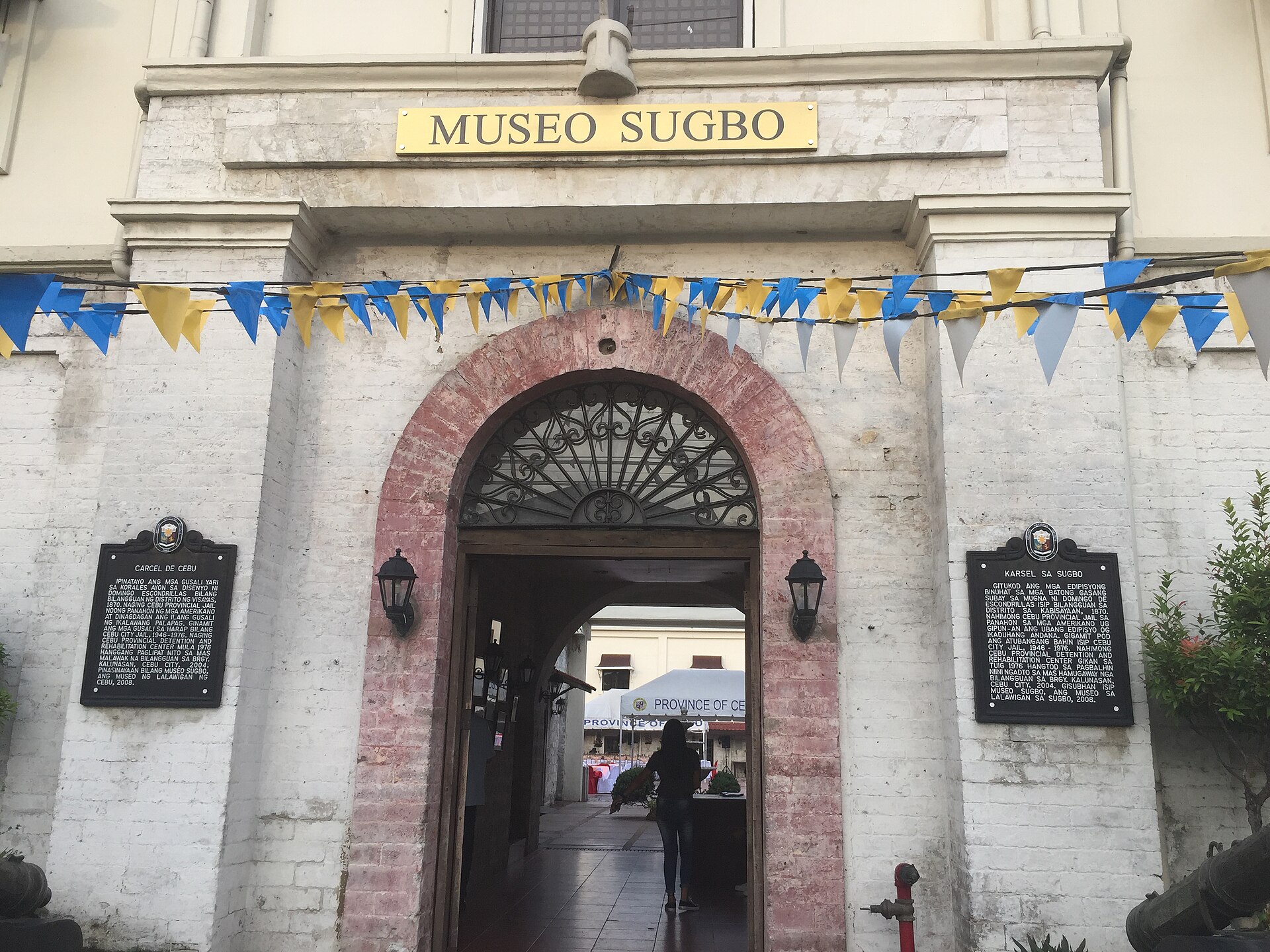
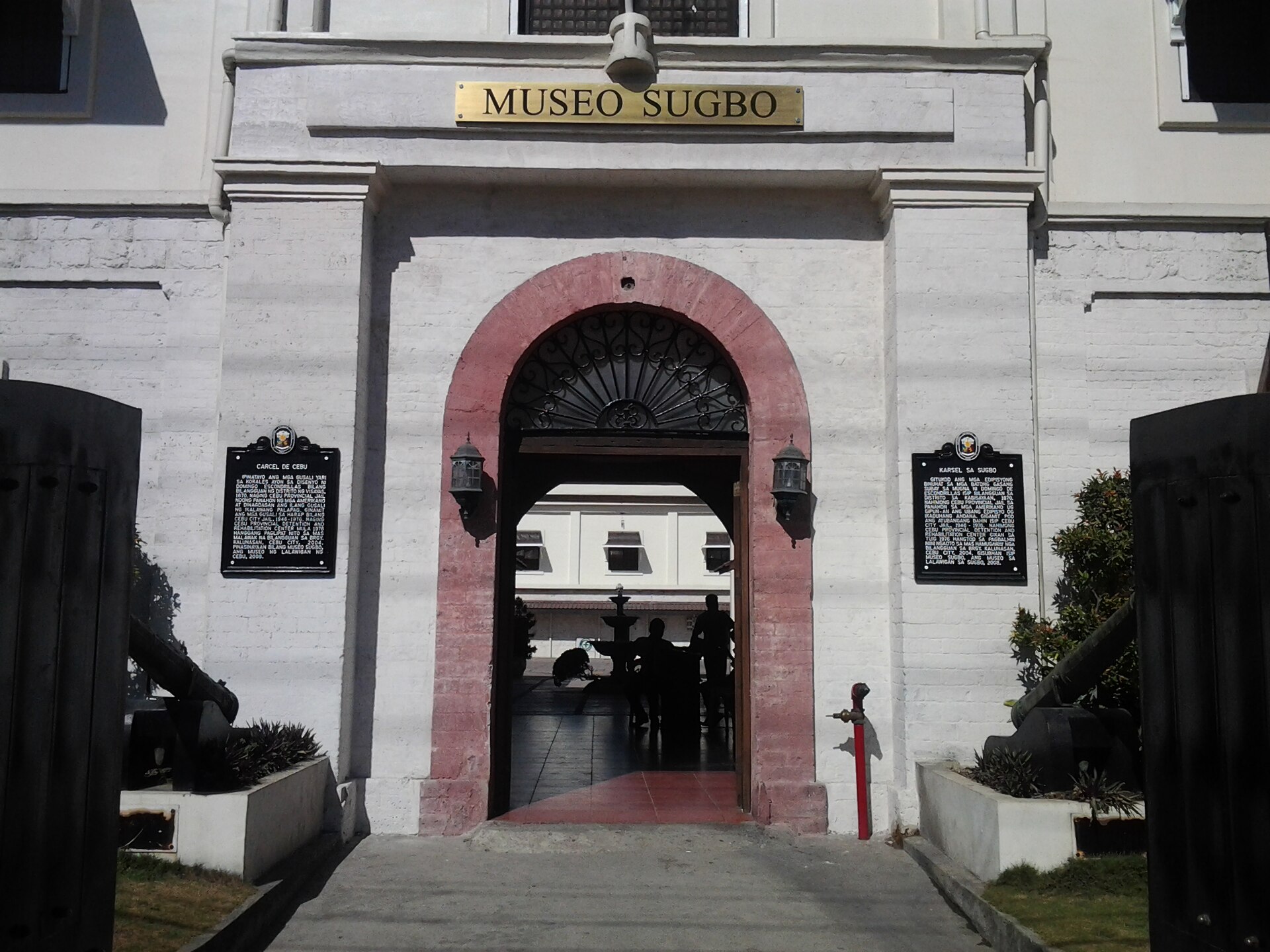
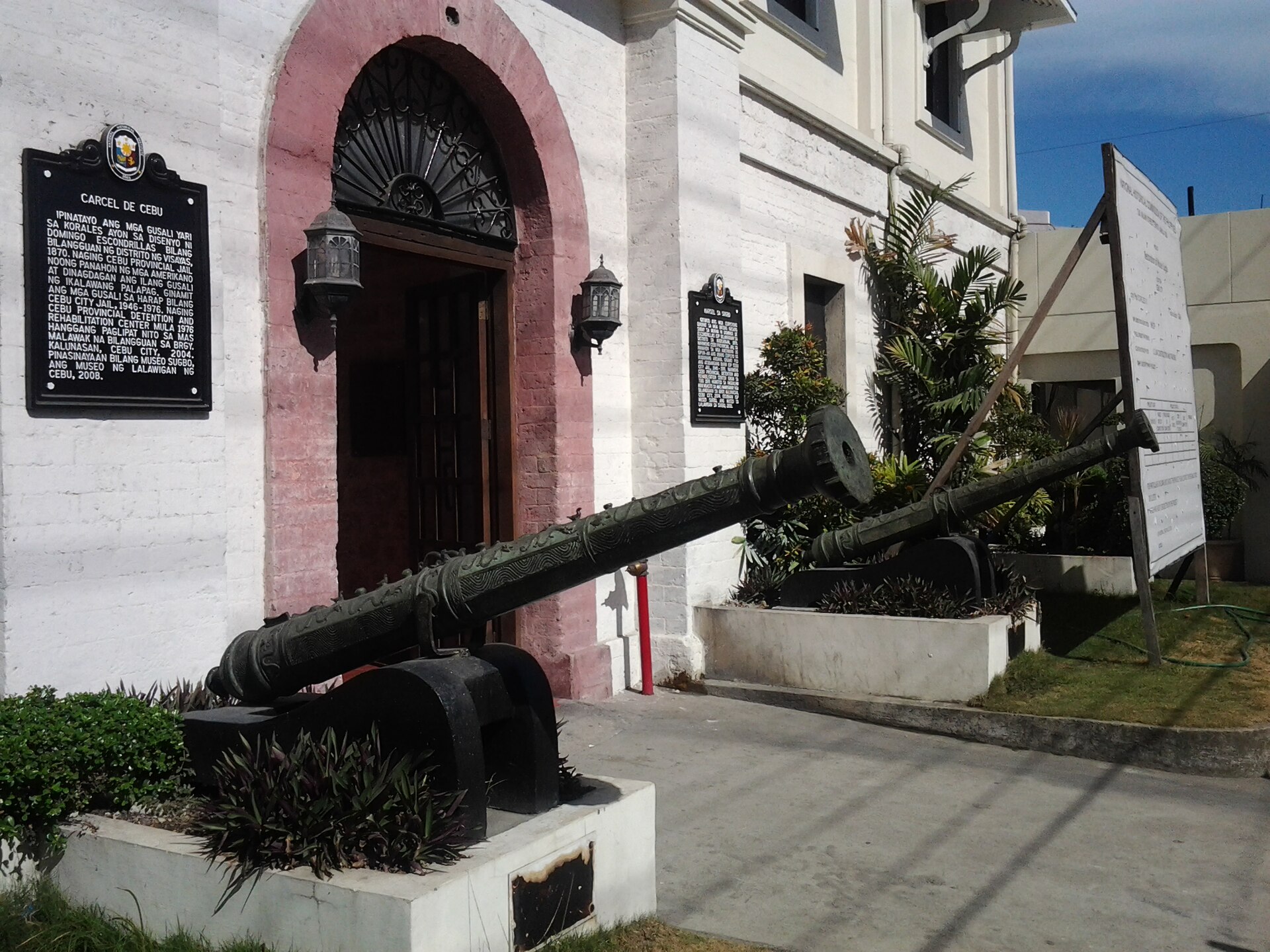
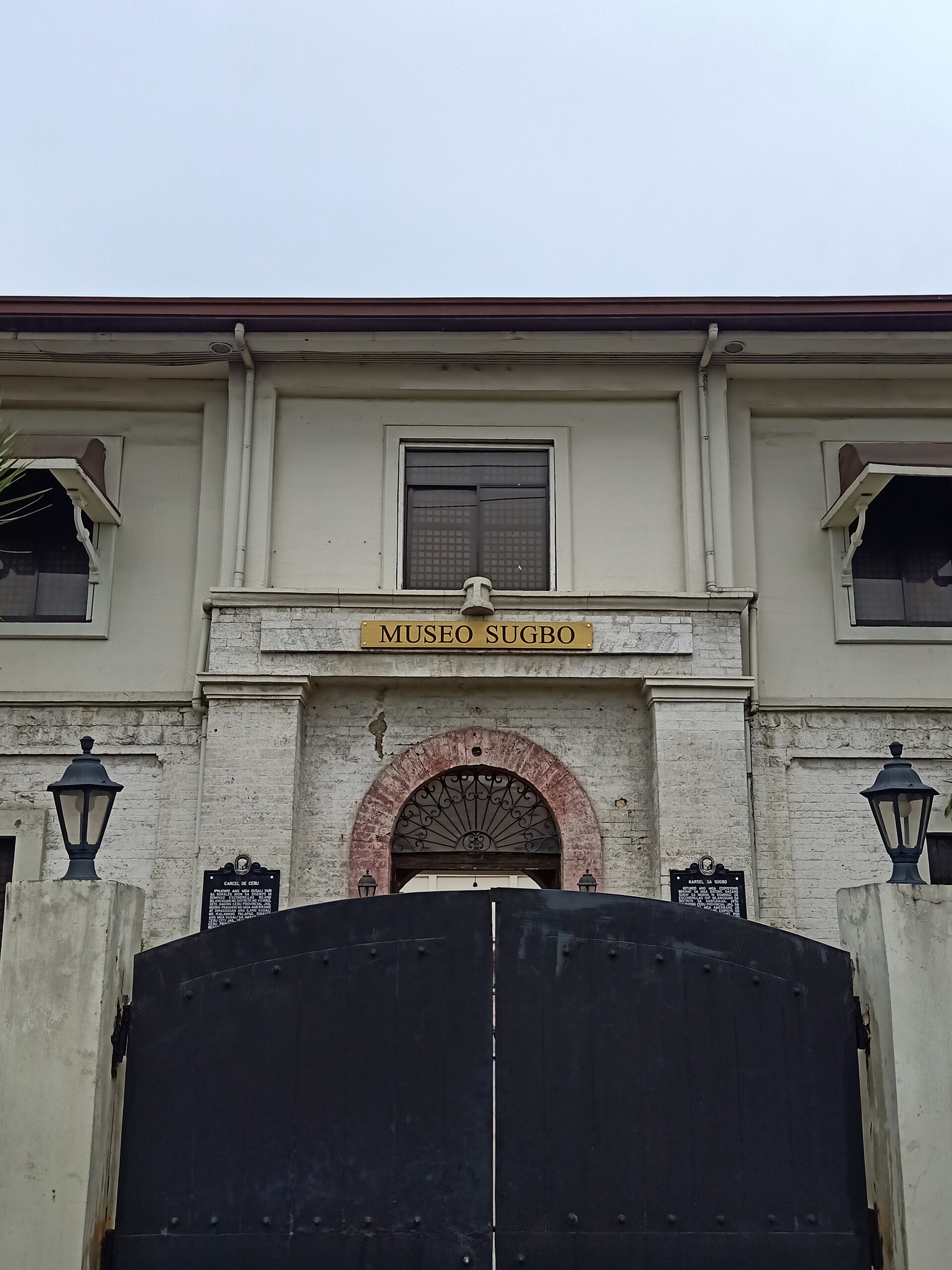
Tap a photo to see it full size. Gallery photos come from Wikimedia Commons; each photographer's credit shows when you open the photo.
Photo: "Museo Sugbu (MJ Cuenco Avenue, Cebu City; 09-07-2022)" by Patrickroque01, via Wikimedia Commons, licensed under CC BY-SA 4.0.
Last updated October 28, 2026
Use this page
Writing about this trip, or planning one? Copy a link or citation in one tap, or print this page to take with you.
See what gets copied
- Link code
<a href="https://touristbooklet.com/destinations/museo-sugbo/">Museo Sugbo - Tourist Booklet</a>- Citation
- Museo Sugbo. Tourist Booklet. Last updated 28 October 2026. https://touristbooklet.com/destinations/museo-sugbo/
From Tourist Booklet: https://touristbooklet.com/destinations/museo-sugbo/. Last updated 28 October 2026. Prices and times change, so check before you go.